 Albania
 Argentina
 Australia
 Austria
 Belgium
 Bosnia and Herzegovina
 Brazil
 Bulgaria
 Canada
 Chile
Chile
 Colombia
 Croatia
 Czech Republic
 Denmark
 Estonia
 Finland
 France
 Germany
 Greece
 Hungary
 Ireland
 Italy
Italy
 Latvia
 Lithuania
 Luxembourg
 Mexico
 Moldova
 Montenegro
 Netherlands
 New Zealand
 North Macedonia
 Norway
 Philippines
 Poland
 Portugal
 Romania
 Serbia
 Slovakia
 Slovenia
 South Africa
 Spain
Spain
 Sweden
 Switzerland
 Turkey
 Ukraine
 United Kingdom
 United States of America



Do you have an electric guitar? These 5 things will take it to the next level
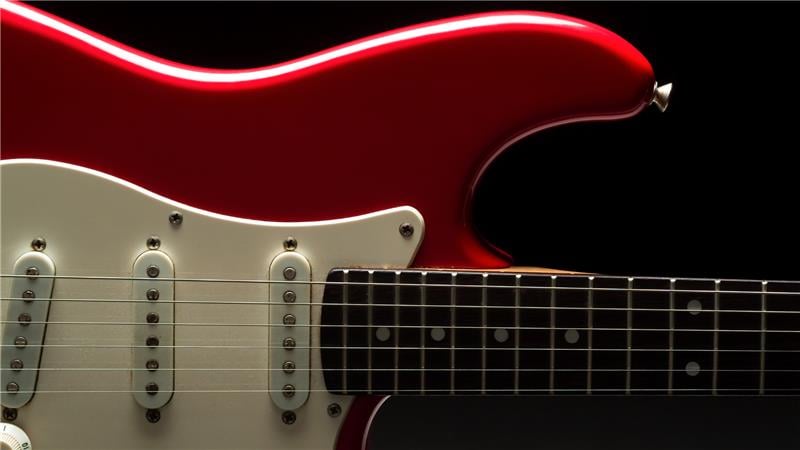
An electric guitar alone is not a guarantee of great sound. Even with an expensive instrument, you might end up with a flat sound that gets lost in the mix. On the other hand, the right equipment and a few enhancements can help you get the most out of your guitar. Here are 5 elements that can affect your sound, dynamics, and overall playing experience.
Quality cables
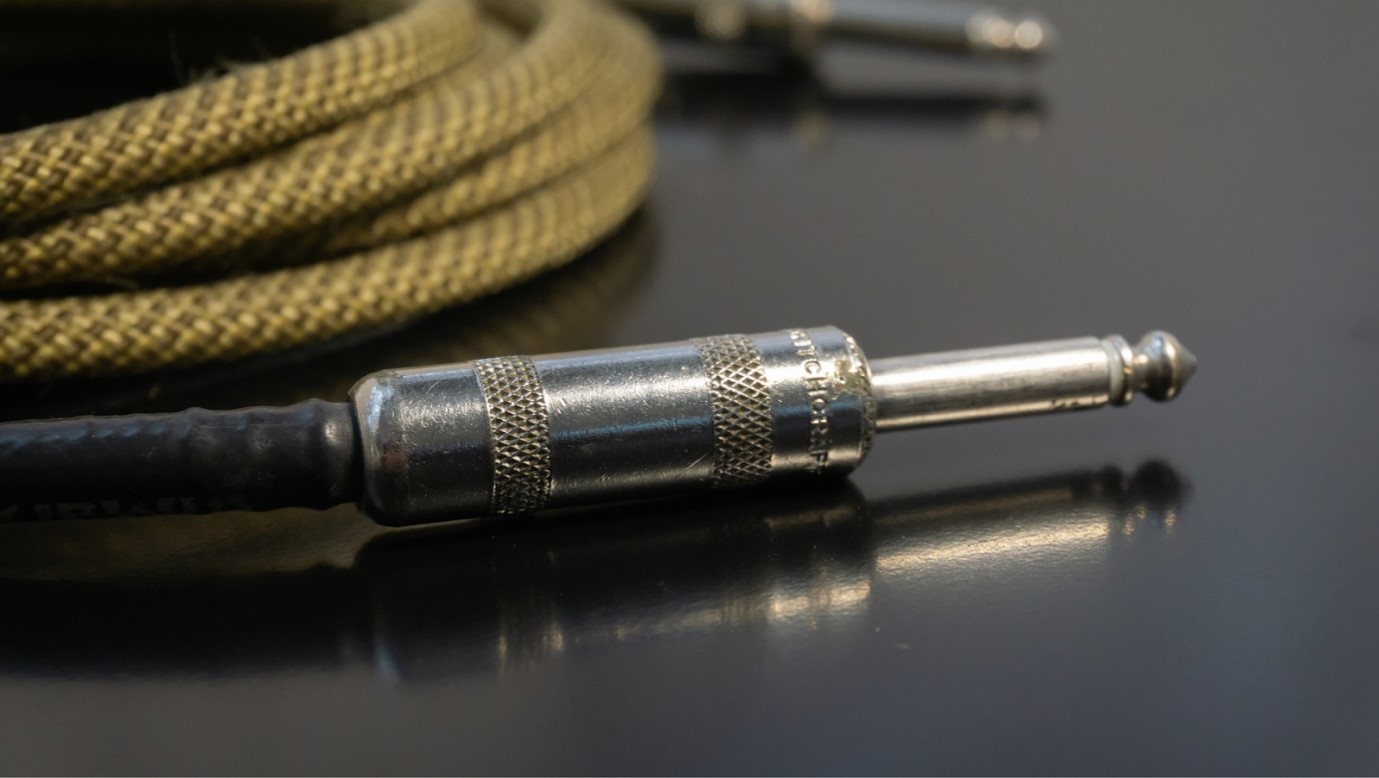
You might not even realize how much cables affect the final sound. If you use cheap or poorly shielded cables, you can lose signal, pick up noise, and degrade sound quality.
- Length: the longer the cable, the greater the signal loss. If you play at home, a 3 m – 5 m cable is ideal. If you play on a big stage, choosing higher-quality cable solutions minimizes loss.
- Shielding: doubly shielded cables eliminate noise and interference from surrounding electrical equipment. This is especially important if you play with high gain or use multiple effects.
- Gold-plated connectors: better transmit the signal and extend the lifespan of cables.
Tip: Don’t underestimate cables between pedals – quality patch cables ensure each pedal receives a clean signal without degradation.
Strap locks
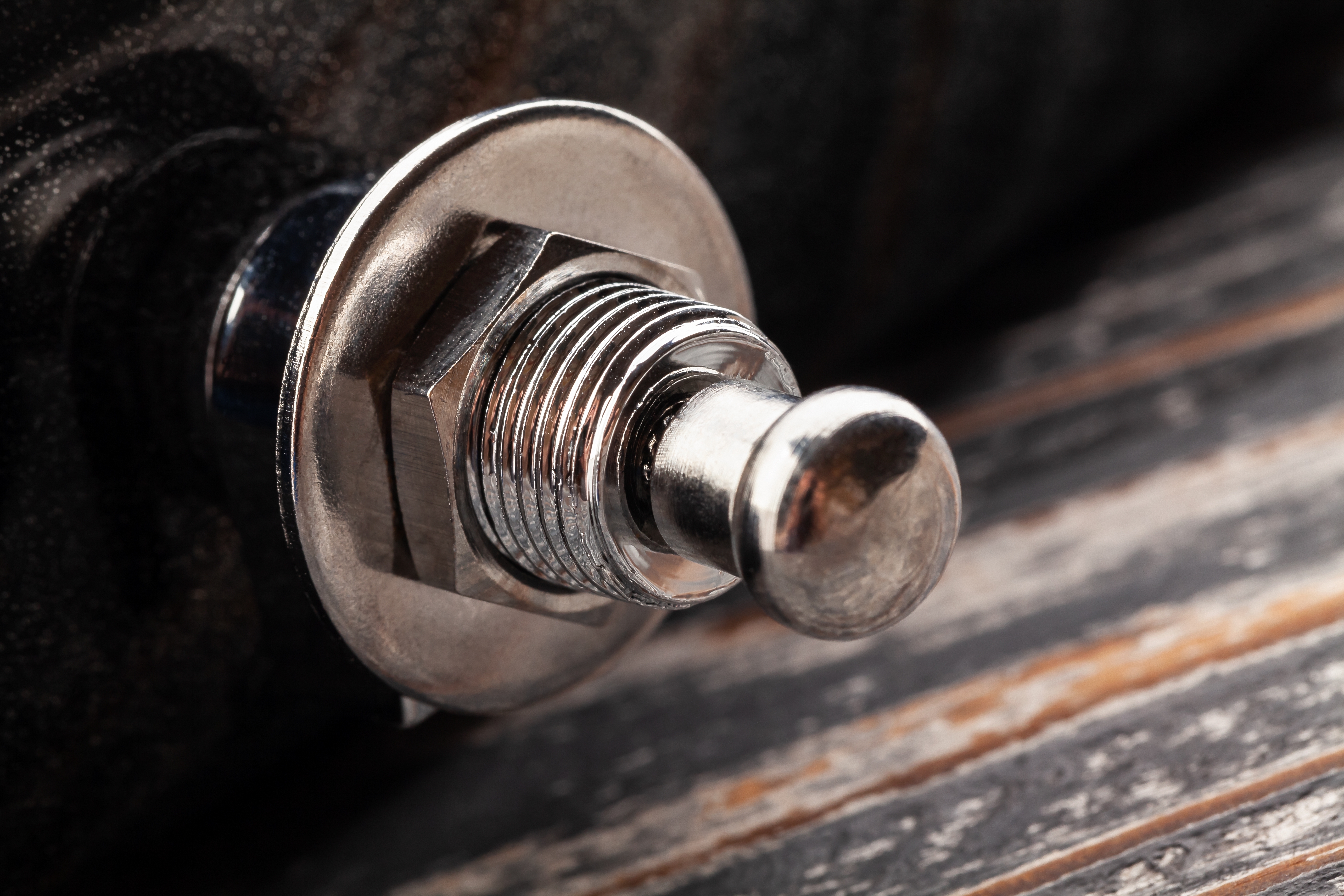
When playing live, the last thing you want is your guitar falling unexpectedly. Even if it hasn’t happened yet, sooner or later it probably will – if you don’t use strap locks.
- Mechanical locks: provide secure attachment and easily release when you need to remove the guitar.
- Rubber pads: a cheaper alternative – simple rubber rings can prevent the strap from accidentally slipping.
A good guitar strap is also important – if you have a heavy guitar, a wide padded leather strap can reduce shoulder strain and improve comfort during long gigs.
Electric guitars
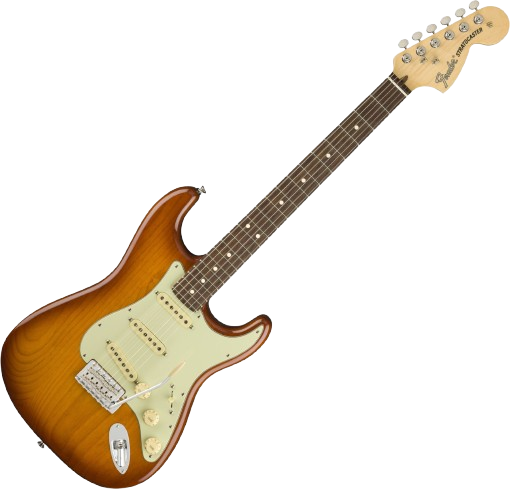
Make your riffs and solos resonate! Discover a wide range of electric guitars that open the door to rock, metal, blues, and jazz. Whether you’re looking for your first instrument or a professional stage model, you’ll find a guitar that fits both your hands and your sound.
Choose your electric guitar!Tuner and metronome
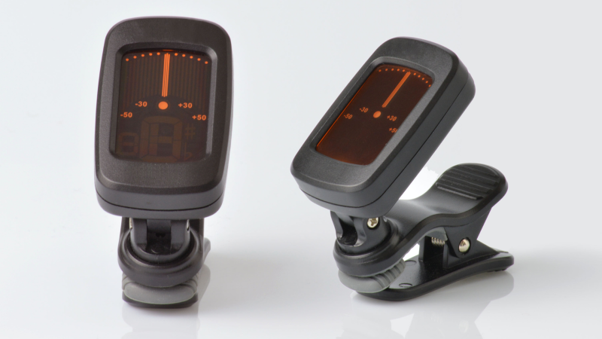
Even if your sound is perfect, if you are out of tune, it all falls apart. A precise digital tuner is a must – either as a clip-on headstock tuner or a pedal tuner.
- The importance of a tuner: if you play in a band, even small inaccuracies can create disharmony. A tuner allows you to quickly tune up between songs.
- Metronome: If you want to play cleanly and precisely, regular practice with a metronome is essential. A wearable metronome lets you feel the tempo through vibrations, which is ideal for rehearsals and live performances.
Tip: If you often change tuning between songs, consider an adjustable mechanical capo, which allows quick adaptation without constant retuning.
Guitar care
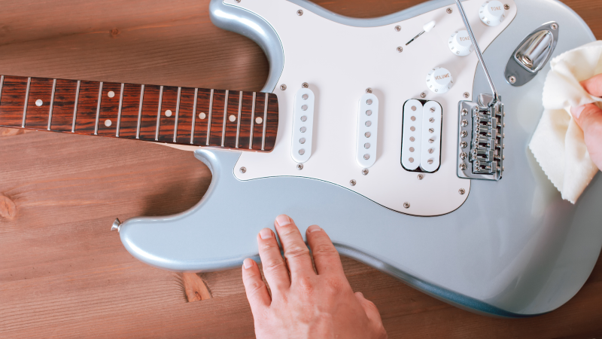
Even an electric guitar requires regular maintenance. If you neglect it, the sound can deteriorate, frets can get damaged, and strings lose clarity.
- Humidifiers for wooden parts: Electric guitars are not as sensitive to humidity as acoustic guitars, but extreme dryness can cause the fingerboard to warp. Using a humidifier in the case helps keep the wood in optimal condition.
- Regular string cleaning: Dirt and sweat from your hands shorten the life of your strings and affect their sound. Using string cleaning products will help keep them in top condition.
- Fretboard maintenance: The wood on the fingerboard needs to be treated with a special oil from time to time to prevent it from drying out and cracking.
Small improvements can have a huge impact on sound, playing comfort, and the lifespan of your guitar. If you want your instrument to sound better, play more comfortably, and last for years in great condition, these adjustments will help you achieve exactly that.
Photo source: Canva, Shutterstock