 Albania
 Argentina
 Australia
 Austria
 Belgium
 Bosnia and Herzegovina
 Brazil
 Bulgaria
 Canada
 Chile
Chile
 Colombia
 Croatia
 Czech Republic
 Denmark
 Estonia
 Finland
 France
 Germany
 Greece
 Hungary
 Ireland
 Italy
Italy
 Latvia
 Lithuania
 Luxembourg
 Mexico
 Moldova
 Montenegro
 Netherlands
 New Zealand
 North Macedonia
 Norway
 Philippines
 Poland
 Portugal
 Romania
 Serbia
 Slovakia
 Slovenia
 South Africa
 Spain
Spain
 Sweden
 Switzerland
 Turkey
 Ukraine
 United Kingdom
 United States of America



Percussion
Percussion instruments make sound by being struck, shaken or resonated through the body of the instrument. They make sense when you want to add pulse, colour and accompaniment without a full drum kit. One option can be a small handheld instrument, another a powerful hand drum or a melodic relaxation instrument.
What percussion is and when it makes sense
Percussion instruments create sound by being struck, shaken, scraped or resonated through the body of the instrument. Some are held directly in the hand, others are placed on the floor, mounted on a stand or sat on like a cajon. They make sense whenever you want to add pulse, colour and a living groove without using a full drum kit.
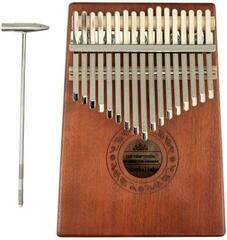
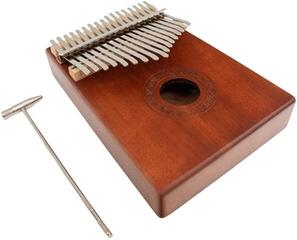
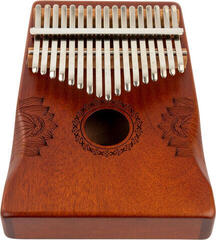
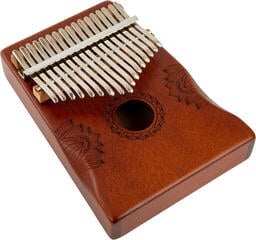
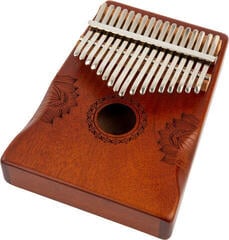
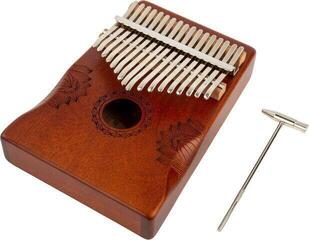
In practice, percussion is not only small drums. One option can be a simple shaker for acoustic backing, another a powerful djembe with a deep tone, and another a gentle kalimba for melody. That is why it is better to choose by use case than by one broad category name.
Rhythmic, melodic, hand and ethnic percussion
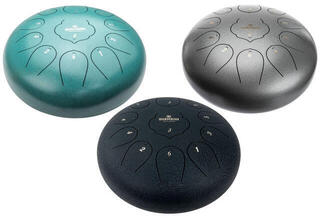
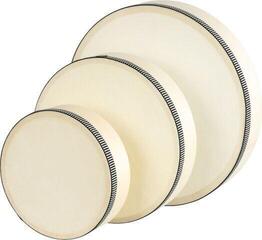
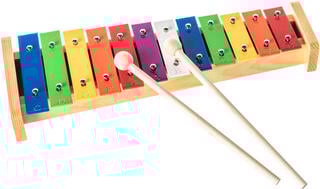
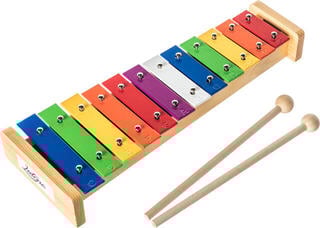
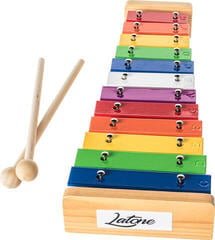
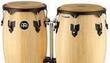
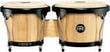
For rhythm, look at cajons, djembes, bongos, congas, tambourines, shakers and maracas. For melody and softer sound, compare kalimbas, handpans, tongue drums or xylophones, metallophones and glockenspiels. School and relaxation needs are covered by children’s percussion and percussion sets and music therapy and meditation; darbukas add an ethnic colour.
Rhythmic instruments keep tempo and accents, while melodic ones add tones and simple motifs. Hand percussion is easy to carry, ethnic instruments bring a distinctive colour and relaxation instruments rely on a gentle sustain.
The difference between types is easiest to understand through their role in music. A rhythmic instrument keeps time, a melodic one builds a line of tones, hand percussion is quick to use, and an ethnic instrument brings a colour that a standard kit often cannot provide.
How to choose percussion by use
Home playing and a first instrument
At home, choose an instrument that is not unnecessarily loud and does not demand difficult technique. In a band, focus on a clear rhythm that stays readable beside guitar, vocals or piano. At school, durability, easy handling and several instruments for a group matter most. For meditation, look for pleasant sustain, tuning and a tone you do not need to force.
Band, acoustic playing and rhythm backing
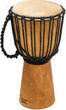
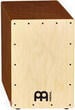
A cajon can replace the basis of simple drums, a djembe adds a strong hand groove and bongos or congas extend the backing with shorter accents. With vocals and guitar, one main instrument and one small addition are often enough.
School, children and rhythm development
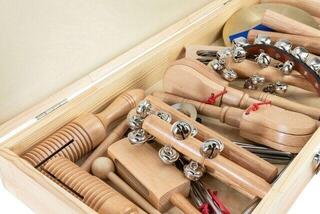
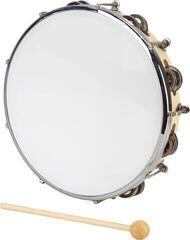
For children and schools, choose light, durable and easy-to-understand instruments. Small drums, tambourines, shakers, maracas and glockenspiels help pupils hear tempo, dynamics and simple melody.
Meditation, relaxation and music therapy
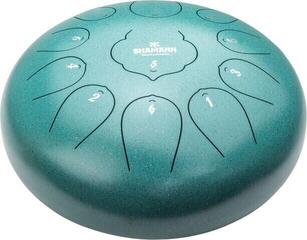
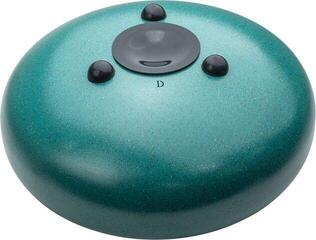
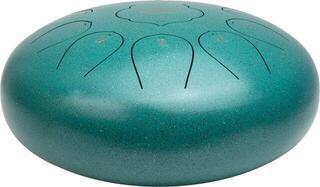
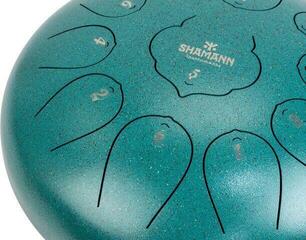
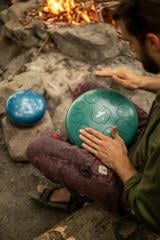
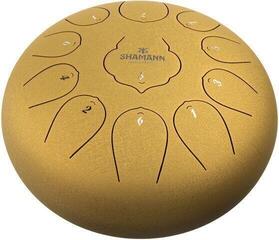
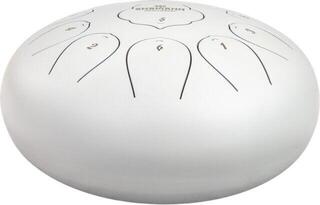
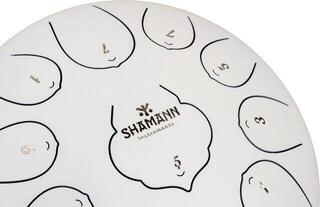
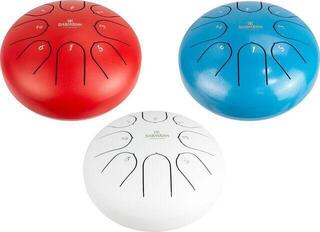
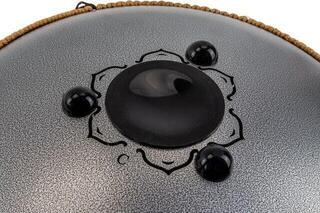
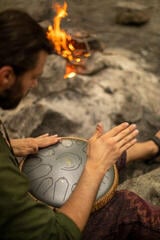
For relaxation, choose instruments with a soft tone and longer sustain. A handpan, tongue drum or kalimba allows intuitive playing without pressure to perform.
When choosing, imagine the real place where you will play: a flat, rehearsal room, classroom or calm session. The same instrument can feel loud in a small room and too quiet in a band, so volume, portability and simple technique matter.
Comparison of the most common options
| Nástroj | Použitie | Zvuk | Vhodný štart |
|---|---|---|---|
| Cajon | acoustic backing and home playing | bass hit and crisp slap | for guitarists, singers or beginners |
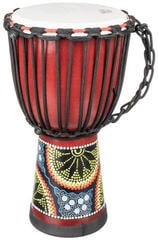
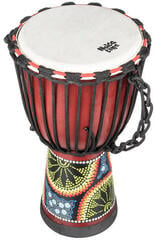
| Djembe | hand rhythm and group playing | deep bass and open tones | for players who want a physical feel |
| Bongos / congas | Latin rhythms and bands | short accents or a fuller low tone | for percussionists wanting more colours |
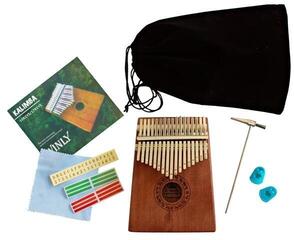
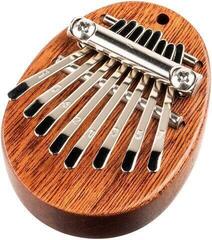
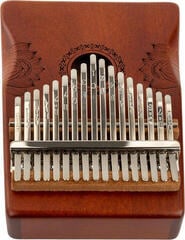
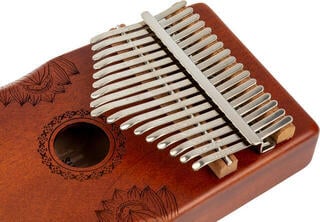
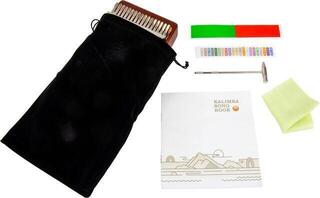
| Kalimba | quiet playing and relaxation | gentle metallic tone played with thumbs | for children or calm beginners |
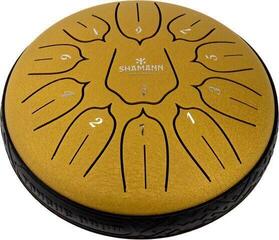
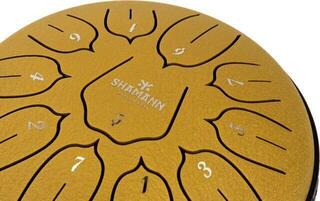
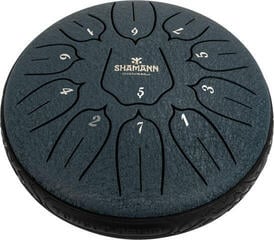
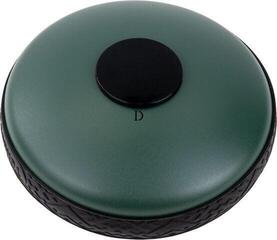
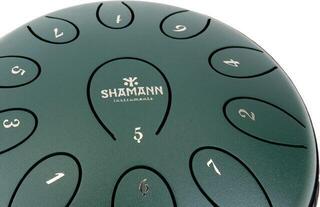
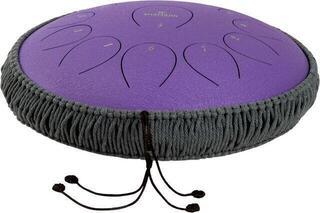
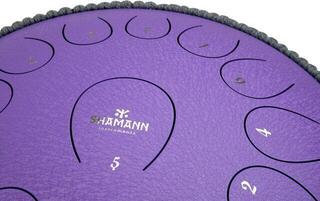
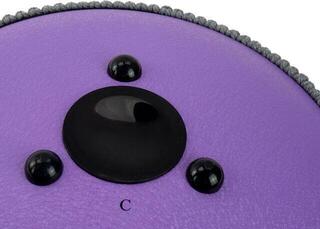
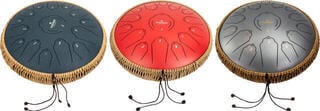
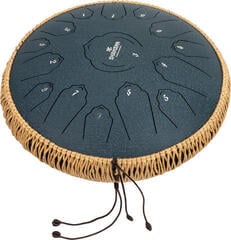
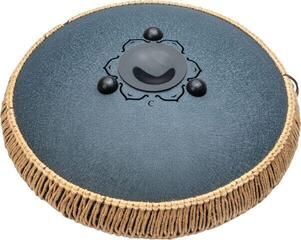
| Handpan / tongue drum | meditation and ambient melodies | long sustain and soft tone | for relaxation users or tutors |
Use the table as quick guidance, not a fixed rule. If you want to sit and keep a basic beat, the cajon leads; if you want hands and dynamics, djembe or congas give more space; if you want quiet melody, kalimba, handpan or tongue drum feel more natural.
When to think about accessories
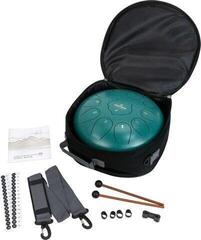
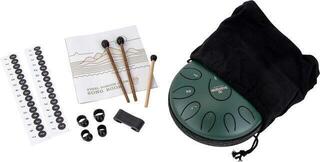
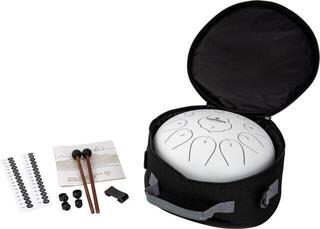
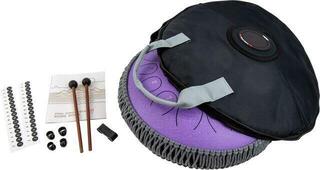
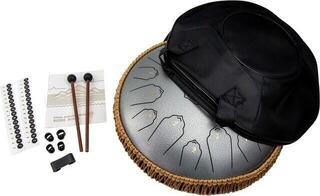
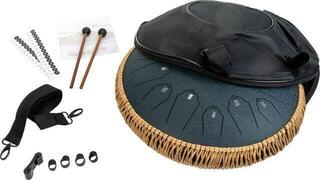
Choose accessories only after you know the real use: a bag for transport, a stand or hardware for stability and suitable sticks or brushes for instruments that need them. Unverified accessory candidates intentionally stay unlinked until stable addresses are confirmed.
With regular playing, also think about care and safe storage. Keep drumheads away from unnecessary moisture, protect wooden bodies from knocks, and store tuned instruments so that tongues or playing surfaces are not damaged. This keeps the sound more stable and helps the instrument stay in good condition for longer.
Quick choice by player type
- Beginner: cajon, tambourine, shaker, maracas or kalimba quickly show whether rhythm or melody suits you.
- Child or parent: choose light children’s instruments, small drums, shakers and glockenspiels.
- Acoustic guitarist or singer: a cajon gives the rhythm base, while a shaker or tambourine adds accents.
- Band percussionist: combine bongos, congas, djembe, darbukas and small hand instruments.
- Relaxation user: look for kalimbas, handpans and tongue drums with a soft sustain.
If you are not sure, start from the situation in which you will play most often. Good percussion differs in shape, volume, tuning and technique, but the right choice always comes from whether you want to keep rhythm, support a band, teach children or create a calm sound space.

Percussion for beginners
Deals & Coupons: Percussion
Unboxed: Percussion
Bundles: Percussion
Congas
Bongos
Djembes
Cajons
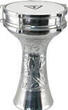
Darbukas

Kalimbas
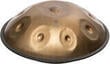
Handpans / Steel Tongue Drum
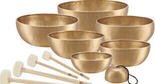
Meditation and Music Therapy
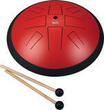
Tongue Drums
Doumbeks
Ibo Drums
Samba Instruments
Timbales
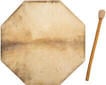
Ritual Instruments
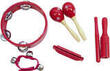
Percussion for Children and Percussion Sets
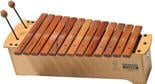
Xylophones, metallophones and carillons
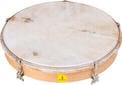
Hand Drums
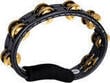
Tambourines
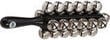
Sleigh Bells
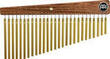
Chimes
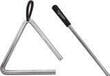
Triangles
Cowbells
Agogos
Blocks
Claves
Finger Cymbals
Shakers
Maracas
Cabasas
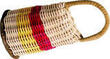
Caxixis
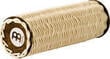
Ganzas
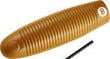
Guiros
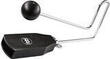
Vibraslaps
Castagnets
Didgeridoo
Rainsticks
Jaw Harp
Gongs
Other Percussions
Bags and Cases for Percussion

Hardware for Percussion