 Albania
 Argentina
 Australia
 Austria
 Belgium
 Bosnia and Herzegovina
 Brazil
 Bulgaria
 Canada
 Chile
 Colombia
 Croatia
 Czech Republic
 Denmark
 Estonia
 Finland
 France
 Germany
 Greece
 Hungary
 Ireland
 Italy
 Latvia
 Lithuania
 Luxembourg
 Mexico
 Moldova
 Montenegro
 Netherlands
 New Zealand
 North Macedonia
 Norway
 Philippines
 Poland
 Portugal
 Romania
 Serbia
 Slovakia
 Slovenia
 South Africa
 Spain
 Sweden
 Switzerland
 Turkey
 Ukraine
 United Kingdom
 United States of America


Saxophones
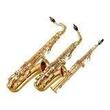
Saxophones - all types
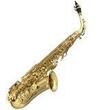
Saxophones for beginners
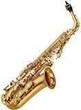
Alto Saxophones
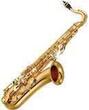
Tenor Saxophones
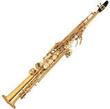
Soprano Saxophones
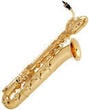
Baritone Saxophones
Reeds for Woodwinds
Mouthpieces for Woodwind Instruments
Ligatures
Saxophone Bags and Cases
Saxophone Straps
Cleaning and Maintenance for Brass

How to learn to play the saxophone
Create a Set - Saxophones
Popular Brands




How to choose a saxophone

What will I use my saxophone for?
Whether you want to become a professional musician one day or simply enjoy music as a hobby, you will need plenty of determination in the early stages. Choosing the wrong instrument can seriously weaken that resolve. The most common choice for beginners is an alto saxophone. Its sound strikes a happy medium, although some players may prefer a higher or lower register. Soprano saxophones have a higher, more penetrating sound, while tenor and baritone saxophones sit lower in the range. There are also soprano, bass and contrabass saxophones, but these are more of a rarity than instruments in regular use.
What music do I want to play on my saxophone?
The saxophone has a huge range of uses, even though it was developed relatively late – not until 1840. After some initial difficulties, its unmistakable sound gradually helped it gain acceptance. First in classical orchestras and military bands, then, in the 20th century, it secured a lasting place in music through jazz (from swing and bebop to modern post-bop), African American popular music and Latin music. Today, the saxophone is also used in the world of electronic music.

How much should I spend on my first saxophone?
In the world of musical instruments, the more expensive the instrument, the better the materials, workmanship, packaging, service, sound and playing feel. What many people do not realise is that, even if you lose interest in your instrument or want to switch to another instrument or a higher-end range, more expensive instruments still sell well second-hand. So you will not only have a good instrument as a beginner, but also recover part of your investment later. If your budget is limited, though, there is also a wide choice of student models.
How do I choose a saxophone if I still cannot decide?
If you still cannot decide, you can follow the voice of the people, because, as the saying goes, “the voice of the people is the voice of God”. The best-selling saxophones over the past year are:
- Yamaha YAS 280
- Victory VAS STUDENT 02
- Yamaha YAS 280 S

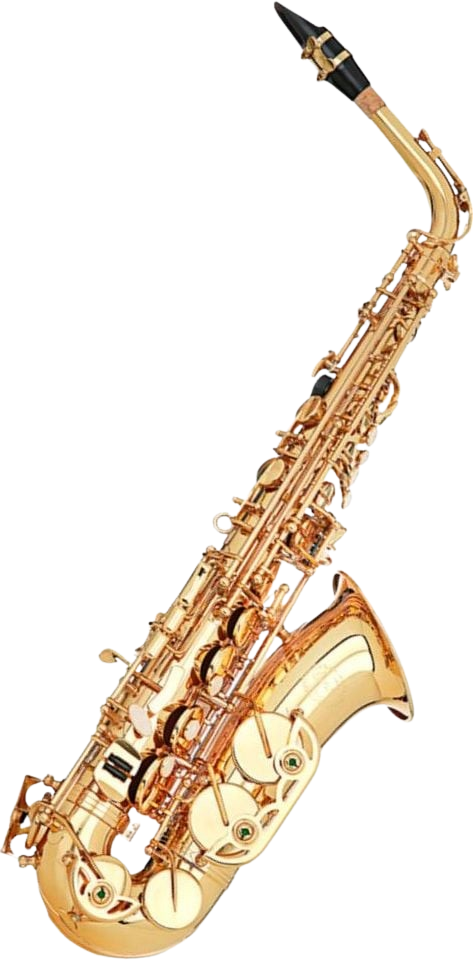
Saxophones
Immerse yourself in the world of saxophones! Whether you are looking for a soprano, alto, tenor or baritone saxophone, you will find the right one for you here. Explore our wide range of instruments and accessories – from reeds, ligatures and mouthpieces to cases, straps and maintenance kits.
Choose your saxophoneWhat are the best-known saxophone brands?
Among the best-known saxophone brands are the prestigious French company Selmer, founded in 1885 in Mantes-la-Ville near Paris, the Japanese giant Yamaha, which has become a leading manufacturer of wind instruments over the past 20 years, and, of course, Buffet Crampon, which makes saxophones alongside its top-quality clarinets.
How big is the difference between an expensive and a cheap saxophone?
The vibrations created by air flowing through the instrument act on its material. The alloys used to make saxophones contain different proportions of noble metals, which are reflected in their sound and durability. We must not forget the pads either: if they do not seal properly, the playing experience is considerably worse. Cheap instruments also tend to have poorer intonation when moving between individual notes, caused by micrometre-scale deviations during manufacture.

What would you recommend if I want a “gold standard” saxophone?
If we are talking about a gold standard, Yamaha’s mid-range instruments are just the thing. The 62 models have become established classics, while the 400 series models from French manufacturer Buffet Crampon have also received plenty of positive feedback. From here on, it is just you and your new saxophone. Remember to give it the care it needs, choose a suitable setup – a combination of mouthpiece, ligature and reeds – use a suitable saxophone tutor book and make friends with your metronome, because a sense of rhythm and timing is the cornerstone of the phenomenon we call music.


