Albania
 Argentina
 Australia
 Austria
 Belgium
 Bosnia and Herzegovina
 Brazil
 Bulgaria
 Canada
 Chile
 Colombia
 Croatia
 Czech Republic
 Denmark
 Estonia
 Finland
 France
 Germany
 Greece
 Hungary
 Ireland
 Italy
 Latvia
 Lithuania
 Luxembourg
 Mexico
 Moldova
 Montenegro
 Netherlands
 New Zealand
 North Macedonia
 Norway
 Philippines
 Poland
 Portugal
 Romania
 Serbia
 Slovakia
 Slovenia
 South Africa
 Spain
 Sweden
 Switzerland
 Turkey
 Ukraine
 United Kingdom
 United States of America



Guitar Accessories
Guitar accessories include items that help with playing, maintenance, tuning, storage and practice. Unlike guitar strings or amplifiers, these are smaller items without which playing can be less comfortable or maintaining the instrument more difficult. When choosing, check which guitar type the accessory is intended for, whether it suits an acoustic, electric or bass guitar, and where you will use it.
What is used for playing and what is used for maintenance?
| Accessory | What it is used for | What to consider |
|---|---|---|
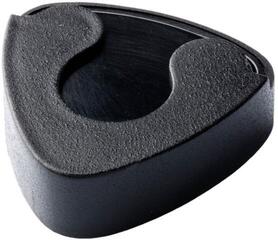
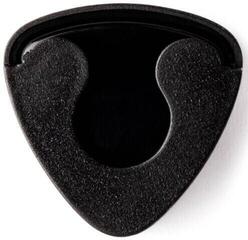
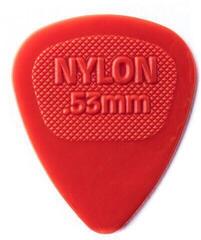
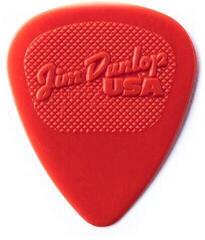
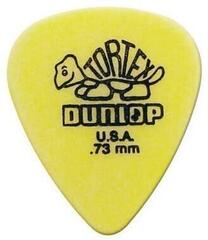
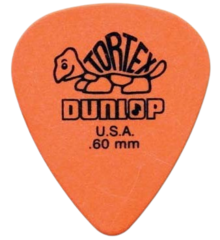
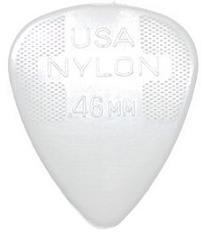
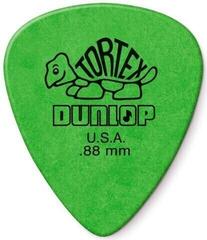
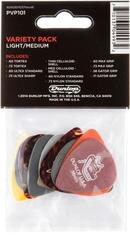
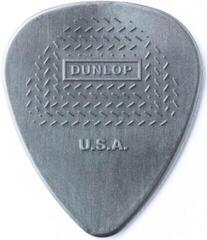
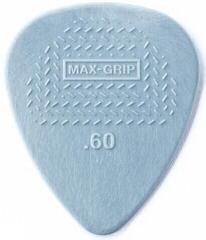
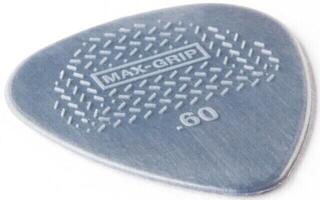
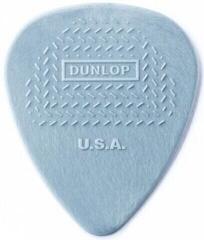
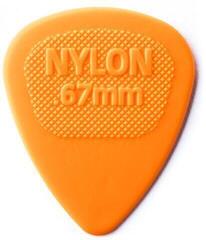
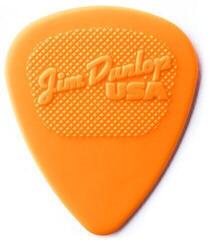
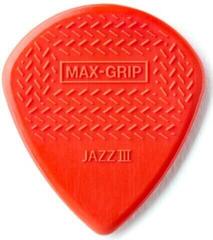
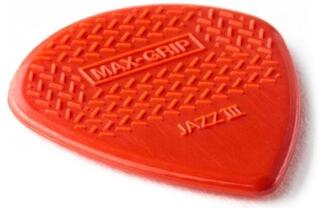
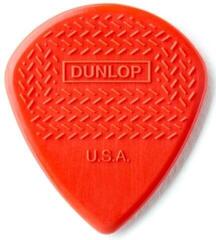
| Picks | Striking the strings and shaping tone | Thickness, shape and material, such as Tortex or nylon |
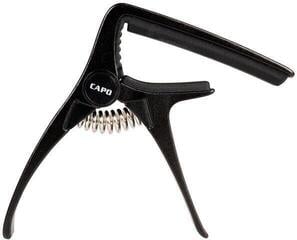
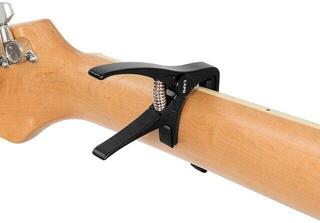
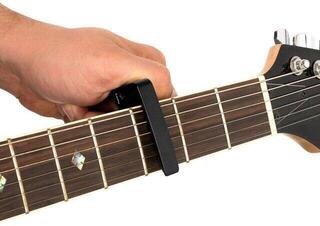
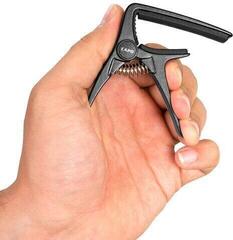
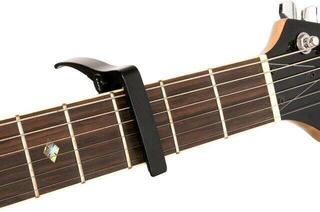
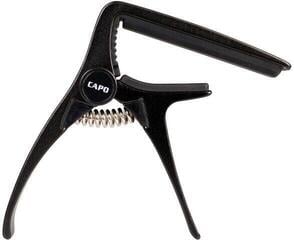
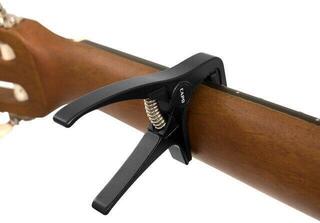
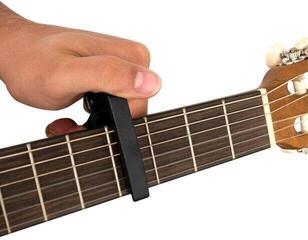
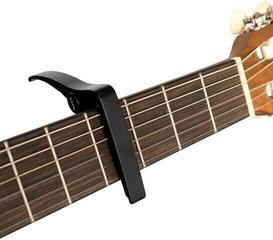
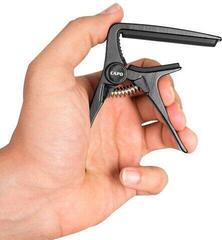
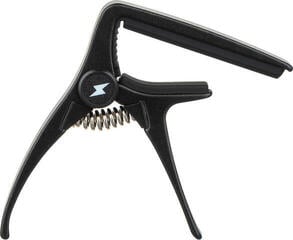
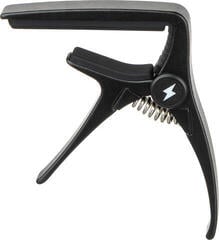
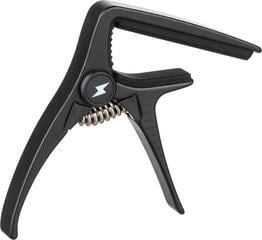
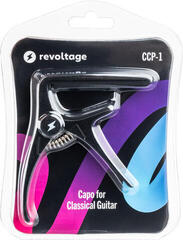
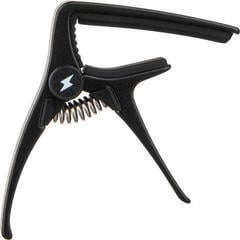
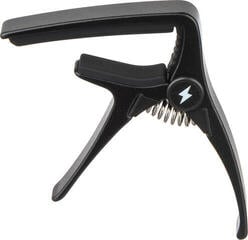
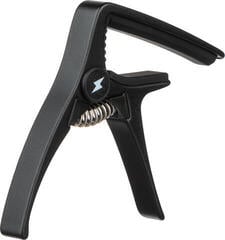
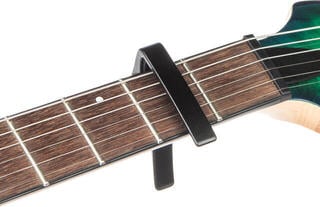
| Capos | Changing key quickly without retuning | Guitar type and neck width |
| Slides | Slide playing techniques | Material, wall thickness and finger size |
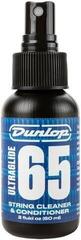
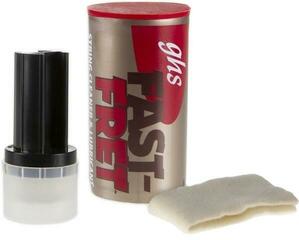
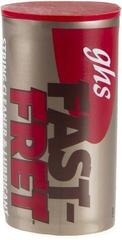
| Guitar care products | Cleaning and treating the finish, strings and fingerboard | Suitability for the finish, fingerboard and instrument type |
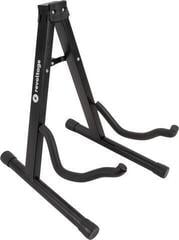
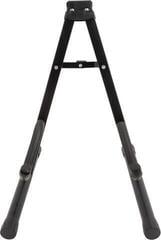
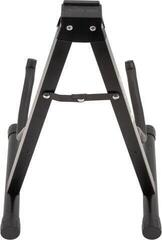
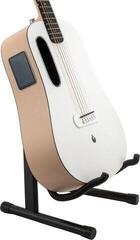
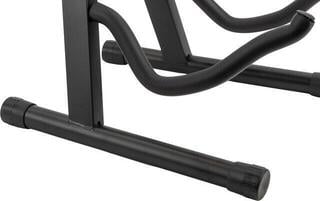
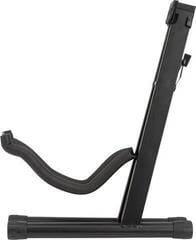
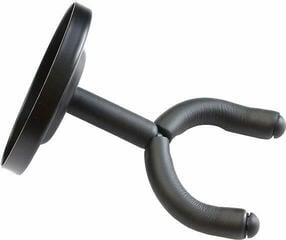
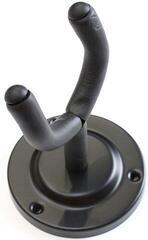
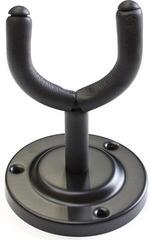
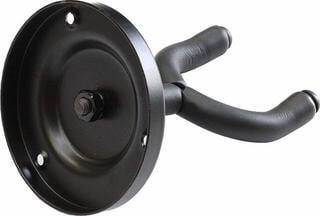
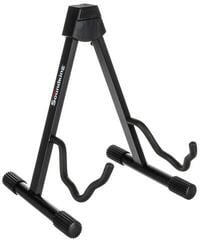
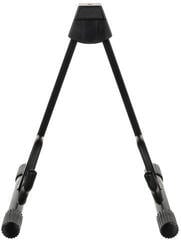
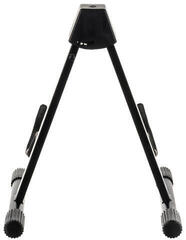
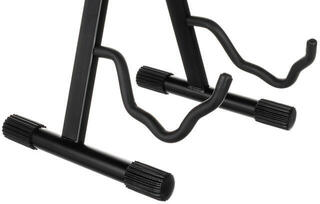
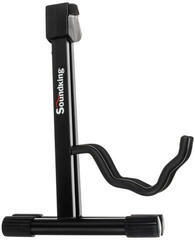
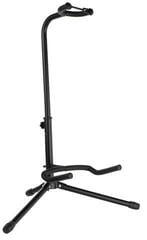
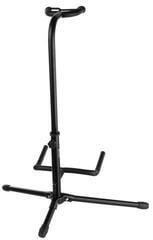
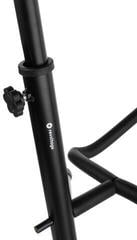
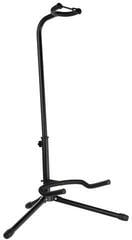
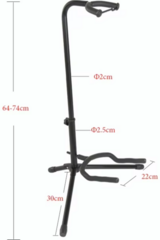
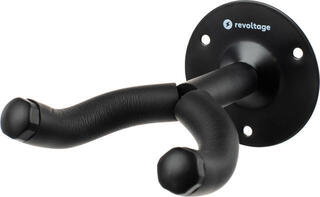
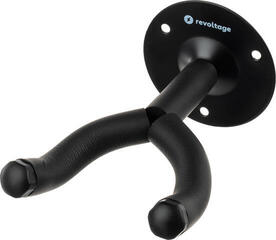
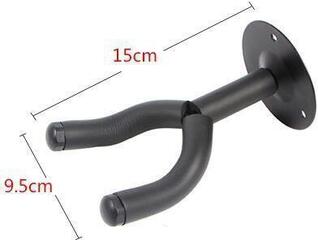
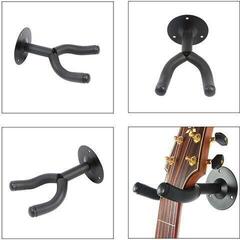
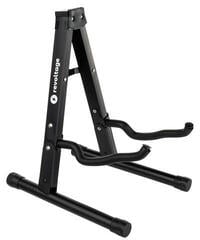
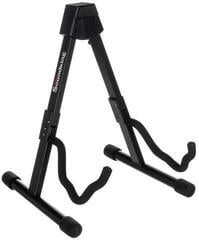
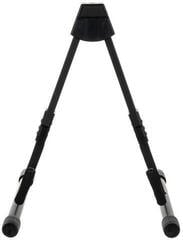
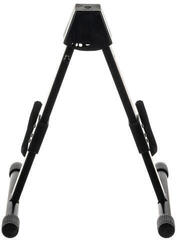
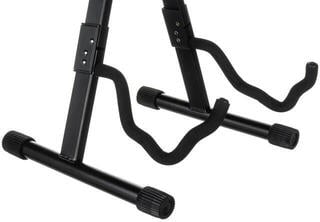
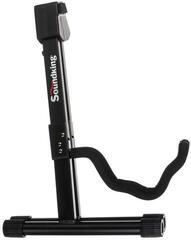
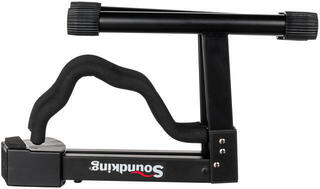
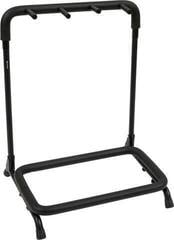
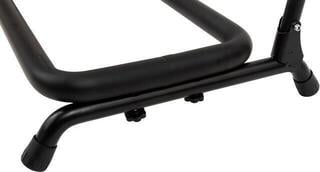
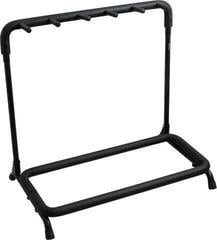
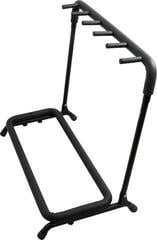
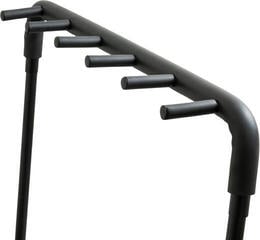
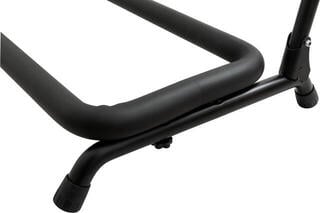
| Guitar stands and wall hangers | Safe storage at home, in the studio and on stage | Stability, number of instruments and compatibility with the body shape |
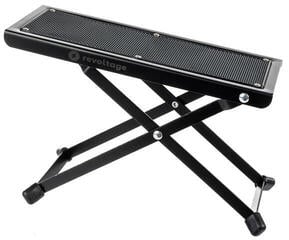
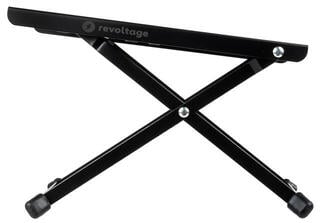
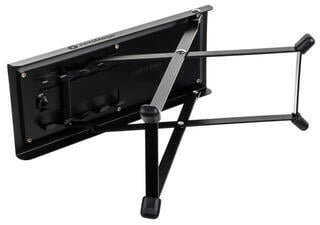
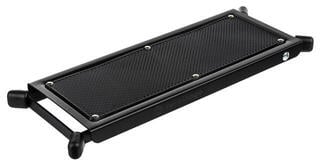
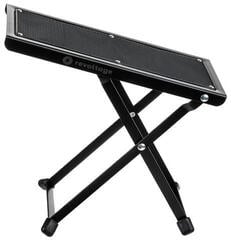
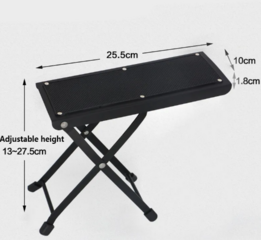
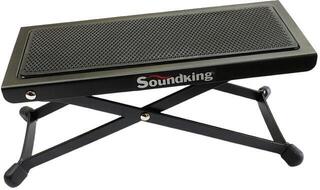
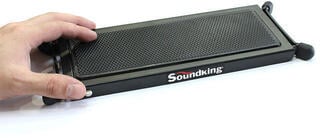
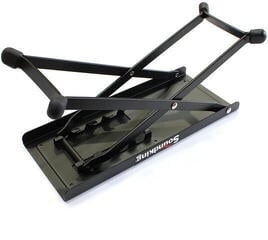
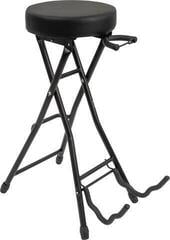
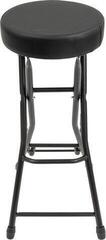
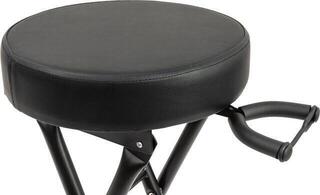
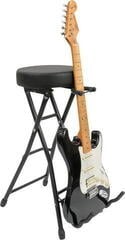
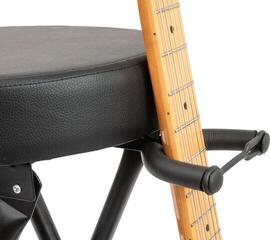
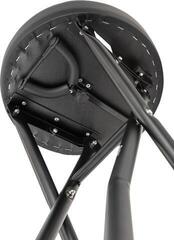
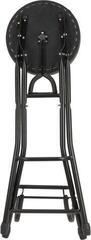
| Guitar footstools | A comfortable position when playing seated | Adjustable height and stability |
Tuning, practice and instrument care
A tuner provides accurate tuning and is useful at home and at rehearsals. Practice aids improve finger technique, while guitar tools are useful for changing strings and making adjustments. Humidifiers are intended for solid-wood guitars that require stable humidity, while specialist guitar accessories address less common needs.
Cables, cases and protection
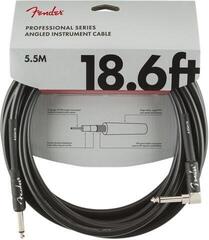
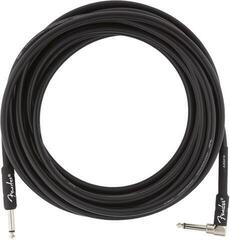
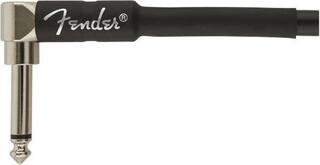
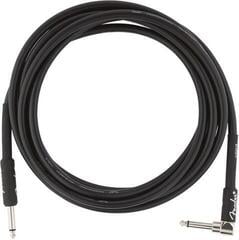
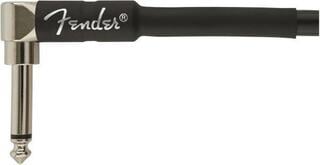
An electric guitar requires instrument cables, connectors and adapters. For transport, choose a gig bag or hard case according to the instrument's shape, while strap locks help keep the guitar securely attached to its strap. When playing loudly at rehearsals and concerts, remember hearing protection, and use a metronome when practising.
What to check before choosing
- Determine whether the accessory is intended for an acoustic, electric or bass guitar.
- For stands and cases, check the instrument's body shape and dimensions.
- For strings and picks, consider the gauge or thickness that suits your playing style.
- For care products, make sure they are suitable for your guitar's finish.
- For electric-guitar accessories, check the connectors and cable length.
Before buying, compare the specific accessory with your guitar model and check whether it can also be used with your existing equipment.

Deals & Coupons: Guitar Accessories
Unboxed: Guitar Accessories
Bundles: Guitar Accessories

Picks
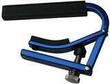
Capos
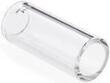
Slidebars

Guitar Cleaning and Maintenance
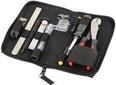
Tools for Guitar
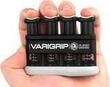
Exercise Equipment
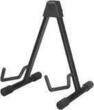
Guitar Stands and Hangers
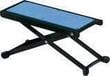
Footrests
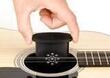
Guitar Humidifiers
Miscellaneous Accessories
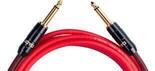
Guitar Cables
Guitars Strings

Guitar Cases and Bags
Tuners
Strap Locks and buttons

Metronomes

Guitar Straps

Guitar Pickups
Amp stands

Hearing Protection
Cables, Connectors and Adapters
Jack Connectors 6,3 mm
Connector Adapters

Spareparts for Guitars
Batteries
Coupon 15: Guitar Accessories
Coupon 10: Guitar Accessories
Coupon 5: Guitar Accessories