 Albania
 Argentina
 Australia
 Austria
 Belgium
 Bosnia and Herzegovina
 Brazil
 Bulgaria
 Canada
 Chile
 Colombia
 Croatia
 Czech Republic
 Denmark
 Estonia
 Finland
 France
 Germany
 Greece
 Hungary
 Ireland
 Italy
 Latvia
 Lithuania
 Luxembourg
 Mexico
 Moldova
 Montenegro
 Netherlands
 New Zealand
 North Macedonia
 Norway
 Philippines
 Poland
 Portugal
 Romania
 Serbia
 Slovakia
 Slovenia
 South Africa
 Spain
 Sweden
 Switzerland
 Turkey
 Ukraine
 United Kingdom
 United States of America


Brushes / Painting Knives / Palettes
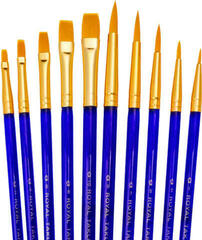
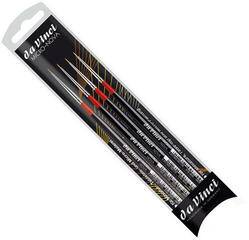
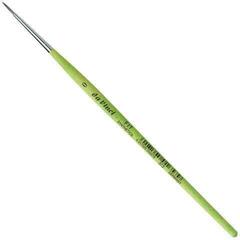
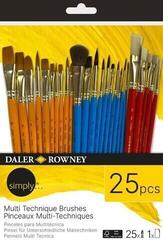
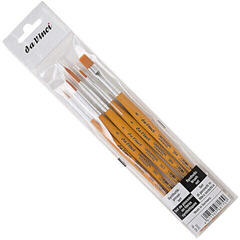
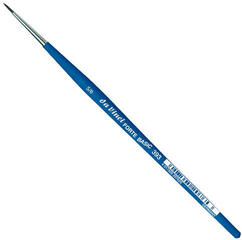
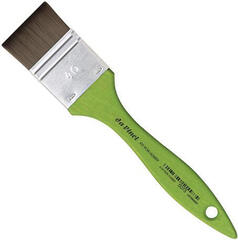
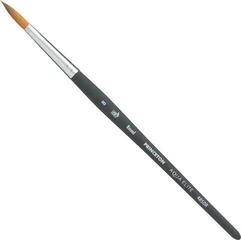
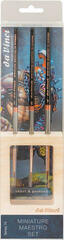
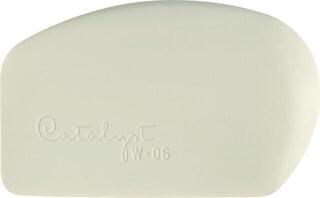
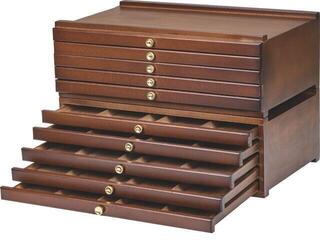
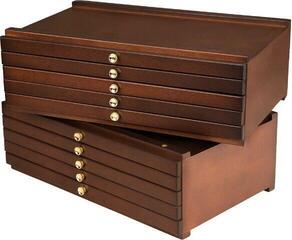
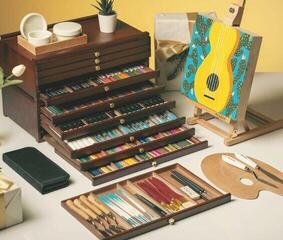
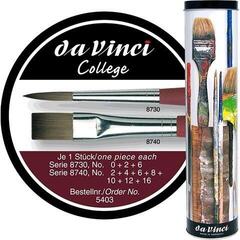
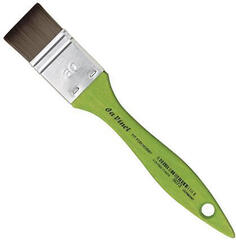
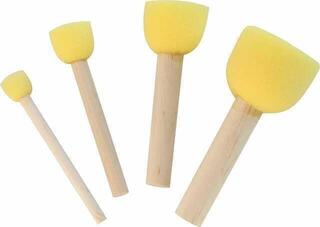
Brushes, painting knives and palettes are a painter's basic tools: you apply paint with a brush, mix it or build up thick layers with a painting knife, and prepare your shades on a palette. Most brushes here are for acrylic, watercolour and oil painting, with brushes for tempera, gouache, fabric and body painting too, available individually or in sets. Palettes come in wood, plastic and porcelain, painting knives have steel blades, and accessories include brush holders, silicone scrapers and wooden storage boxes with drawers from Meeden. The brushes are from Princeton Brush, Da Vinci, Daler Rowney, Kreul and KOH-I-NOOR, ranging from school sets to artists' ranges.
Which brush shape should you choose for lines, broad areas and transitions?
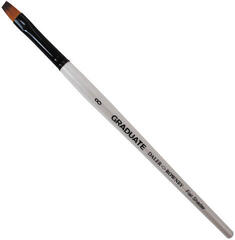
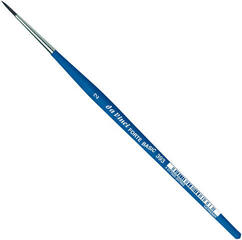
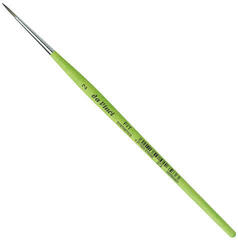
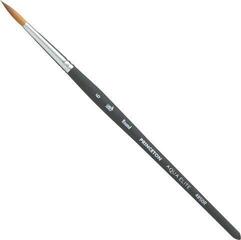
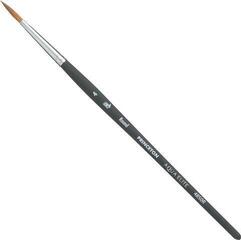
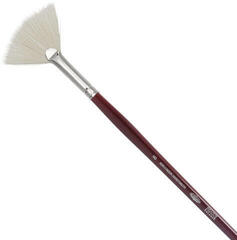
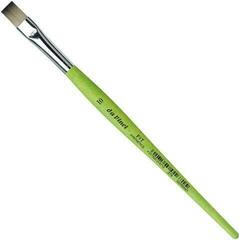
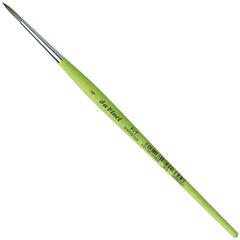
The shape of the tip determines the mark a brush leaves on canvas or paper. Flat and round brushes make up most of the selection, with fewer oval and fan brushes.
| Brush shape | The mark it leaves | When to use it |
|---|---|---|
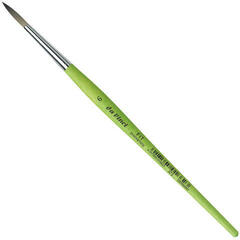
| round | a fine line or a broader stroke, depending on pressure | details, outlines, watercolour |
| flat | a straight stroke with a sharp edge | backgrounds, larger areas, acrylics and oils |
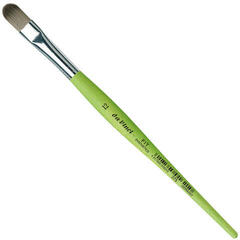
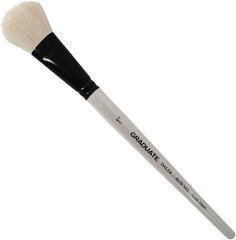
| oval (filbert) | a soft edge without corners | colour transitions, portraits, flowers |
| fan | a sparse, scattered mark | grass, clouds, softening a transition |
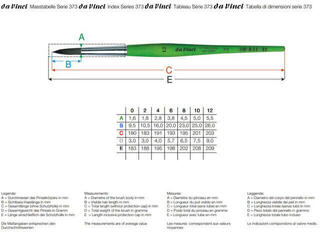
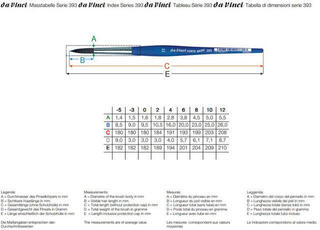
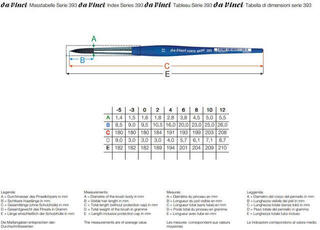
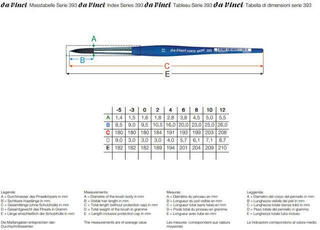
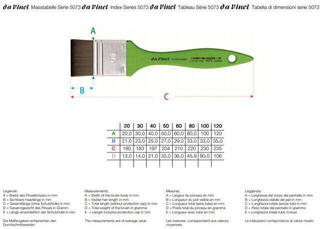
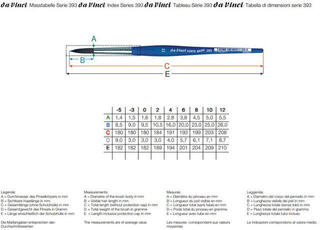
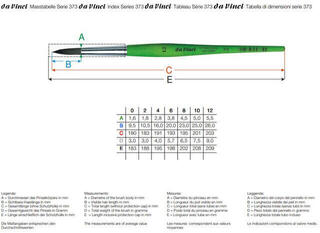
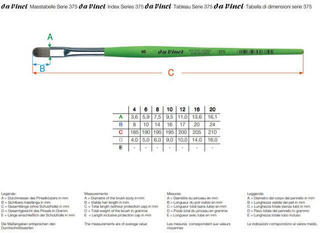
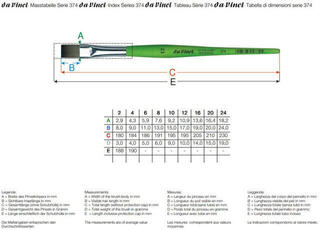
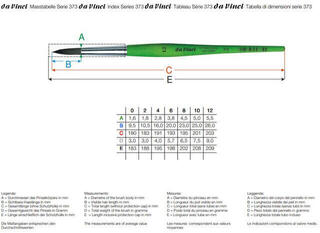
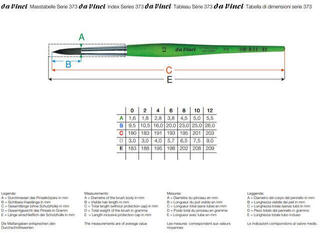
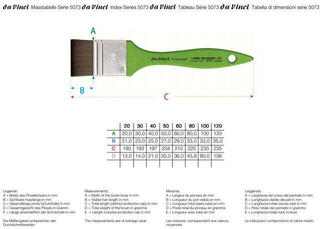
The number on the handle indicates the size: numbers 0 to 12 are the most common, and a higher number means a wider and longer tip. Numbering is not consistent between manufacturers, so a size six from Da Vinci may not be the same width as a size six from Princeton Brush. Complete ranges using the same hair across all sizes include Graduate and System3 from Daler Rowney, Velvetouch from Princeton Brush and Cosmotop from Da Vinci. If you are starting out, you can save yourself the search with a set containing flat and round brushes in several sizes. You will find the full selection in the Painting Brushes subcategory.
Synthetic hair or natural bristle: which brush suits which paint?
Most brushes in the selection have synthetic hair. After using acrylics, synthetic hair washes clean easily with water, keeps its shape for a long time and is suitable for acrylics, gouache and watercolours. Water cannot dissolve acrylic paint once it has dried, so wash your brush straight after painting, before the paint hardens among the hairs.
Natural hog bristle is stiff and springy, allowing it to hold thick oil or acrylic paint and leave a visible brushstroke in it. Softer natural hair that absorbs plenty of water is more suitable for watercolour: sable hair comes together in a fine point, while squirrel hair holds plenty of paint for broad washes. Princeton Brush also offers synthetic alternatives to squirrel and mongoose hair that imitate the softness of natural hair.
What is a painting knife for, and which palette suits your paint?
A painting knife, also called a palette knife, has a flexible steel blade and often an angled handle to keep your hand from touching the painting. You use it to apply thick paint in textured layers, create sharp edges and mix shades on your palette without getting your brush dirty. The shape of the blade, such as a teardrop, a trapezoid or a narrow point, determines the width and shape of the stroke. All shapes are in the Painting Knives subcategory.
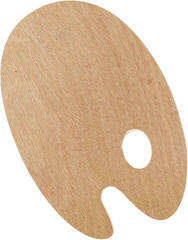
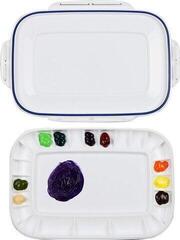
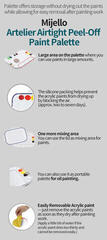
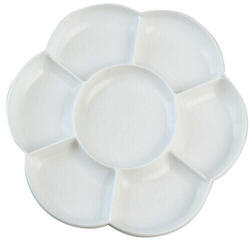
A palette holds your paints while you work, and its material depends on your painting technique. Wooden palettes are traditionally used for oils, plastic palettes with wells are quick to clean after acrylics, and on a porcelain palette watercolour does not gather into droplets; you can also reactivate dried paint with water. You will find the selection under Palettes, and paints for your brushes on the Painting Colours page.