Albania
 Argentina
 Australia
 Austria
 Belgium
 Bosnia and Herzegovina
 Brazil
 Bulgaria
 Canada
 Chile
 Colombia
 Croatia
 Czech Republic
 Denmark
 Estonia
 Finland
 France
 Germany
 Greece
 Hungary
 Ireland
 Italy
 Latvia
 Lithuania
 Luxembourg
 Mexico
 Moldova
 Montenegro
 Netherlands
 New Zealand
 North Macedonia
 Norway
 Philippines
 Poland
 Portugal
 Romania
 Serbia
 Slovakia
 Slovenia
 South Africa
 Spain
 Sweden
 Switzerland
 Turkey
 Ukraine
 United Kingdom
 United States of America


Flanger Pedals
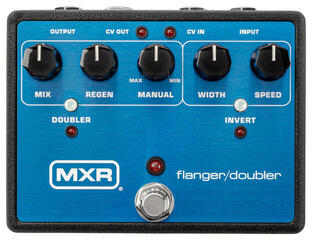
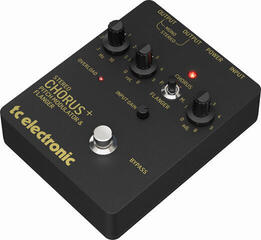
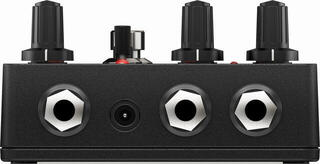
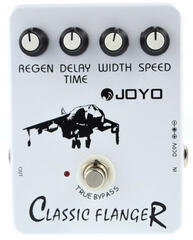
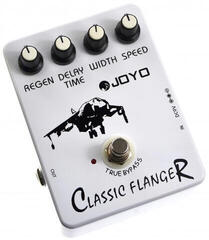
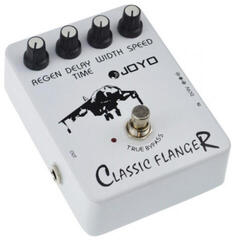
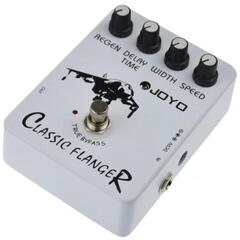
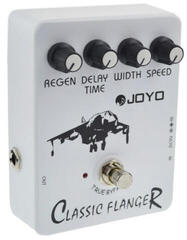
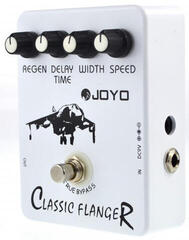
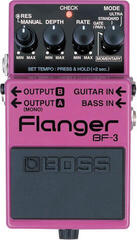
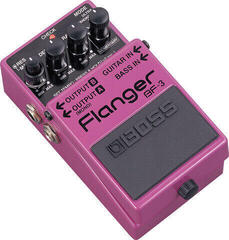
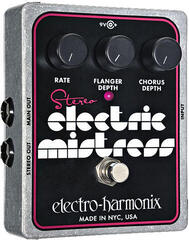
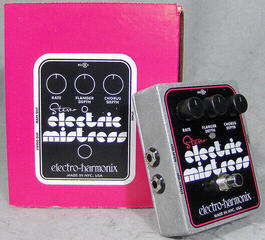
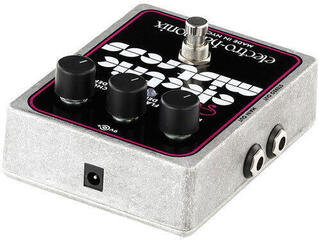
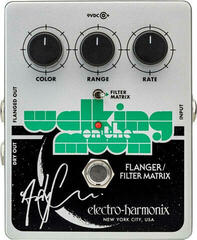
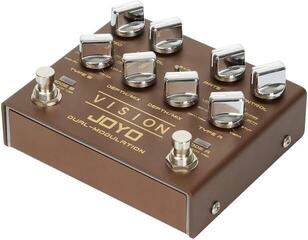
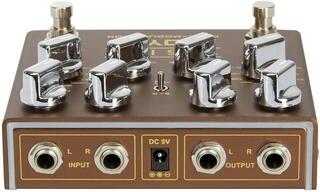
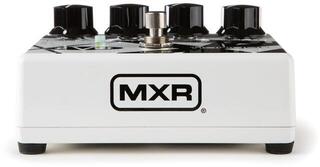
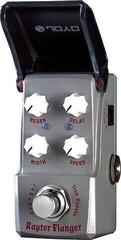
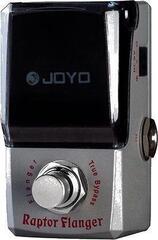
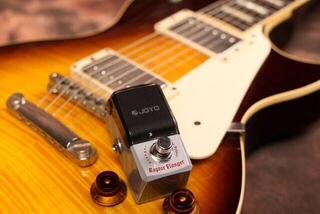
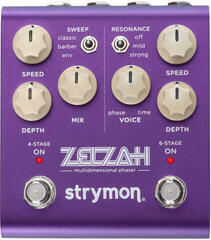
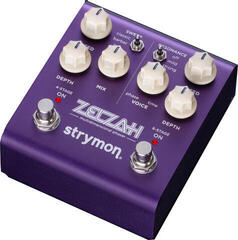
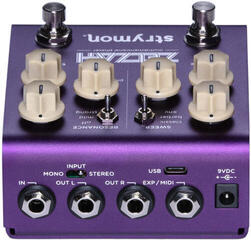
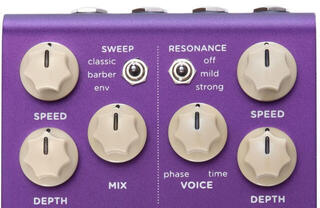
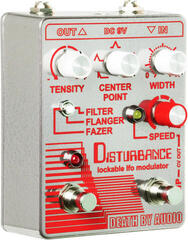
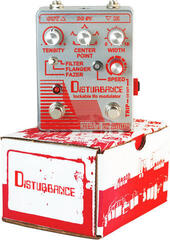
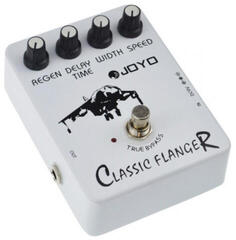
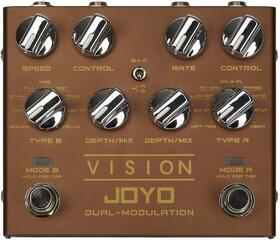
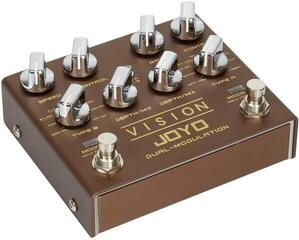
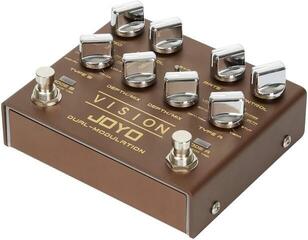
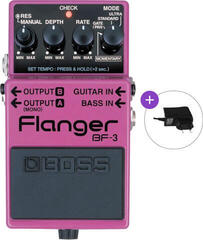
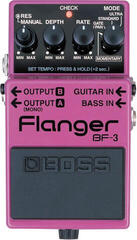
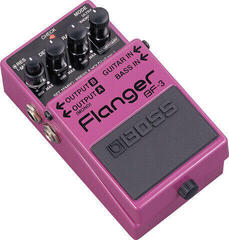
Flanger pedals mix your guitar tone with a copy delayed by just a few milliseconds and continuously vary that delay. This creates a sweeping sound with a metallic sheen that gently rises and falls at slow settings and resembles a plane taking off with strong feedback. Here you'll find Boss BF-3, MXR M117R, MXR Flanger Doubler, Electro-Harmonix Electric Mistress and TC Electronic Thunderstorm Flanger, as well as flangers from Joyo, Behringer, Strymon and Ibanez. Alongside dedicated pedals, the range also includes modulation multi-effects with flanger as one of their modes.
How do flanger pedals differ from phaser and chorus?
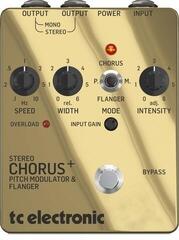
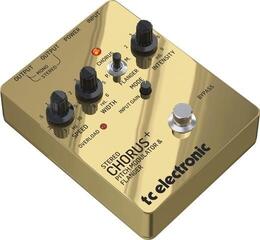
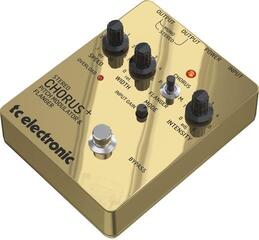
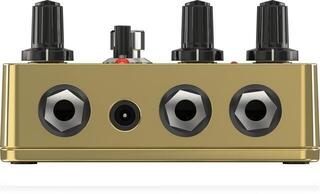
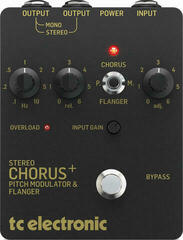
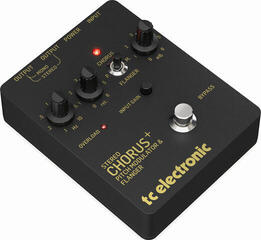
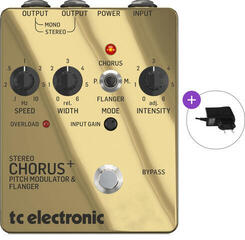
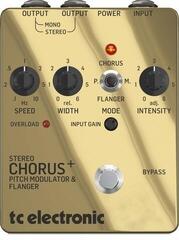
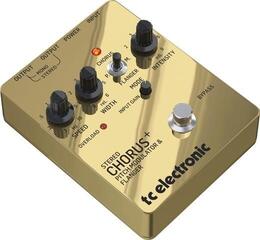
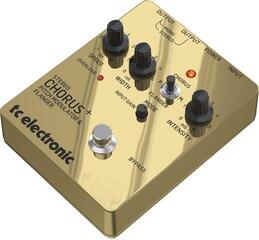
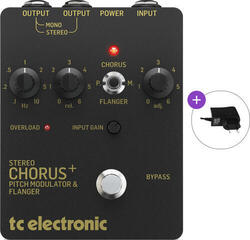
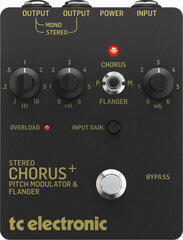
All three effects work with a copy of the signal that moves relative to the original tone. A flanger uses a very short delay, from 0.3 to 14.4 ms on the Boss BF-3, creating a comb of notches in the sound that moves up and down. It sounds sharper and more metallic than phaser pedals, which shift the phase, have fewer notches and produce a softer sweep. Chorus pedals use a longer delay and tend to thicken the sound, as if several guitars were playing at once. Some pedals combine both effects: TC Electronic SCF Gold has chorus and flanger, while Electro-Harmonix Electric Mistress is known for its metallic sound that flows into chorus territory.
Which controls do you adjust on a flanger?
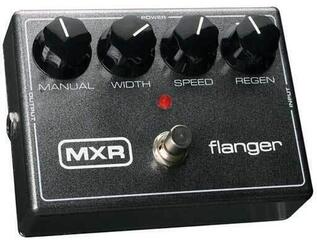
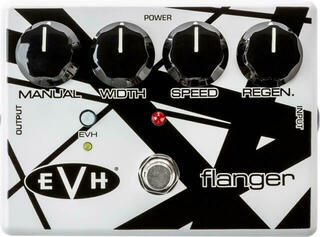
- Manual – determines where in the frequency range the notches move; you'll find it on Boss BF-3, MXR Flanger Doubler and MXR EVH117.
- Width or Depth – the depth of the sweep, meaning how much the delay changes.
- Speed or Rate – the speed of the movement, from a slow sweep to a rapid shimmer.
- Regen or Res – feedback, which adds resonance and a metallic character; Strymon Orbit dBucket Flanger offers three types: positive, negative and a combination of the two.
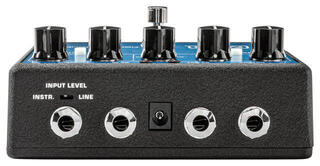
- Modes and buttons – Boss BF-3 has Standard, Ultra, Gate/Pan and Momentary modes, MXR EVH117 has an EVH button with the setting Eddie Van Halen used, and MXR Flanger Doubler has a Doubler button for doubling the sound.
Analogue or digital flanger?
Analogue flangers delay the signal using BBD (bucket-brigade) chips, which gently colour the sound. That's how the MXR Flanger Doubler is built, drawing on the MXR Model 126 rack processor, and the small Ibanez FLMINI with its Depth, Regen and Speed knobs is fully analogue too. The digital Strymon Orbit dBucket Flanger has a signal-to-noise ratio of 110 dB and an expression pedal input that lets you control any knob parameter.
Can you use a flanger with bass guitar too?
Yes, but check whether the pedal is designed to handle bass. Boss BF-3 has a separate BASS IN input with a delay range of 0.3 to 6.3 ms, plus two outputs for a stereo connection. You'll find pedals built specifically for bass guitar in the Flanger / Chorus / Phaser for bass guitar category.