Albania
 Argentina
 Australia
 Austria
 Belgium
 Bosnia and Herzegovina
 Brazil
 Bulgaria
 Canada
 Chile
 Colombia
 Croatia
 Czech Republic
 Denmark
 Estonia
 Finland
 France
 Germany
 Greece
 Hungary
 Ireland
 Italy
 Latvia
 Lithuania
 Luxembourg
 Mexico
 Moldova
 Montenegro
 Netherlands
 New Zealand
 North Macedonia
 Norway
 Philippines
 Poland
 Portugal
 Romania
 Serbia
 Slovakia
 Slovenia
 South Africa
 Spain
 Sweden
 Switzerland
 Turkey
 Ukraine
 United Kingdom
 United States of America


Electric Guitar Cables
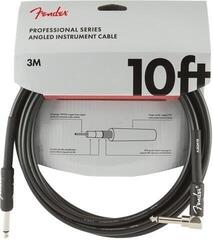
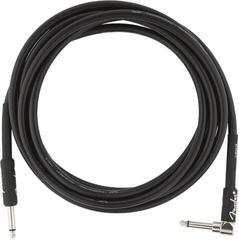
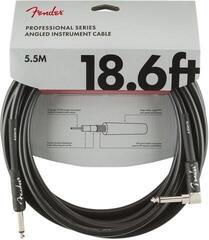
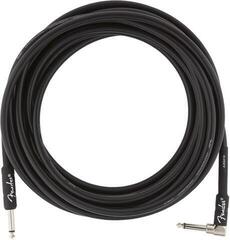
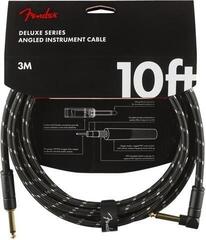
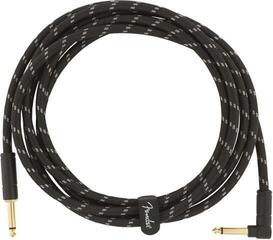
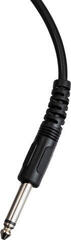
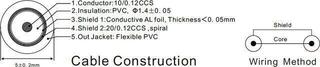
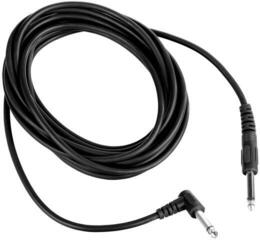
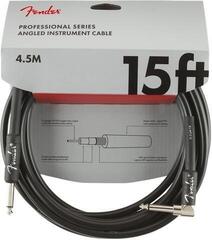
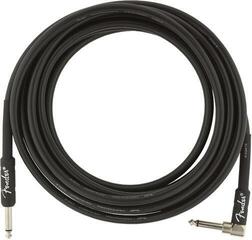
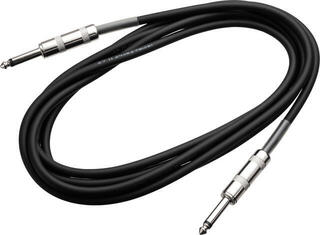
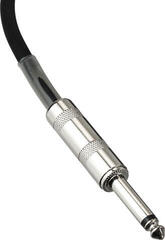
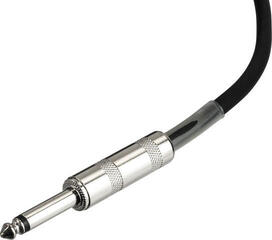
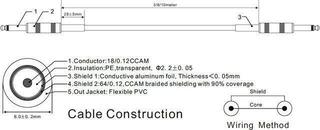
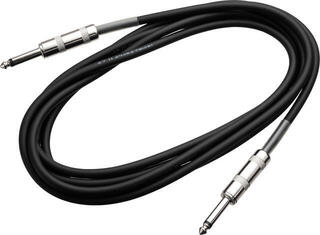
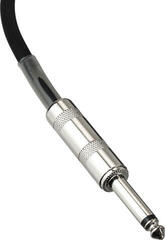
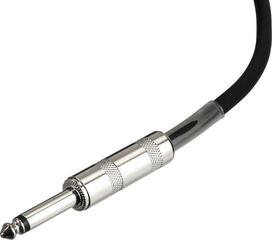
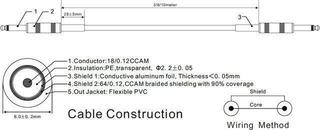
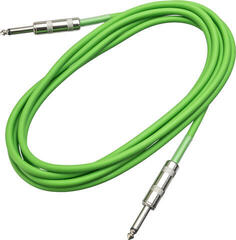
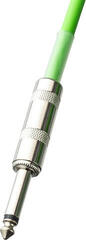
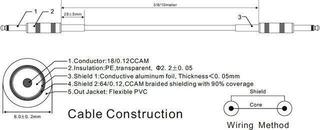
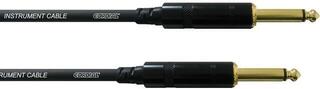
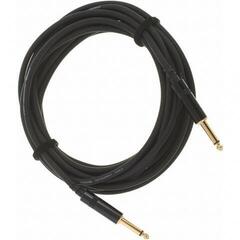
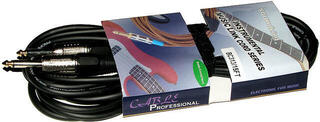
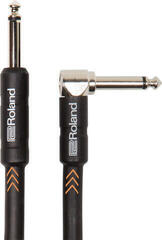
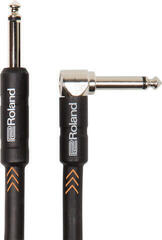
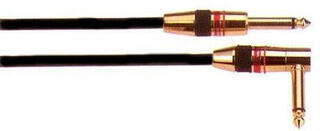
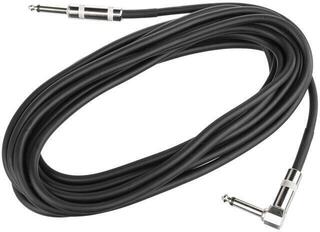
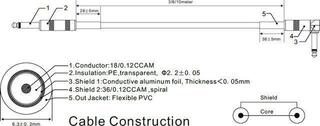
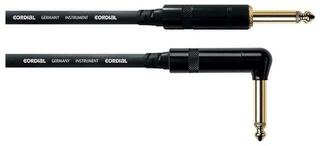
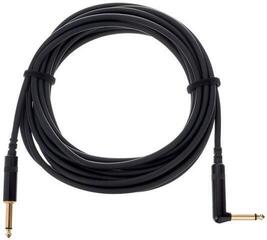
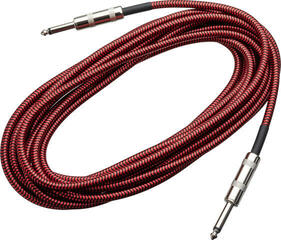
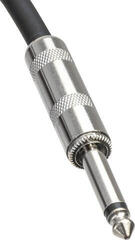
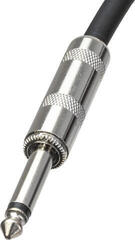
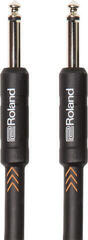
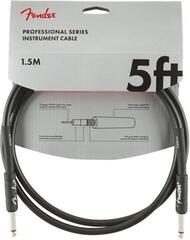
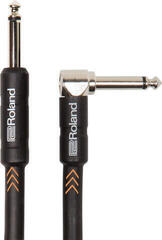
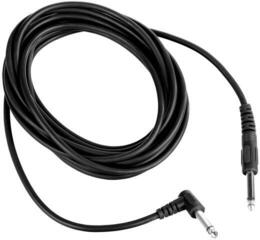
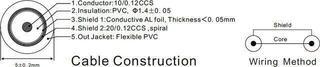
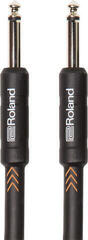
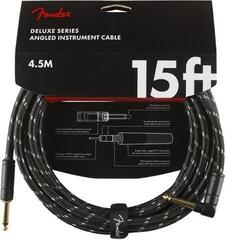
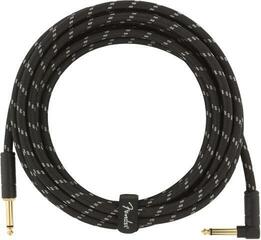
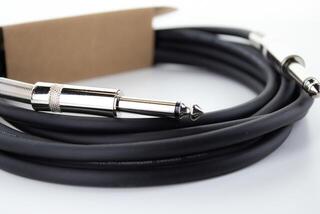
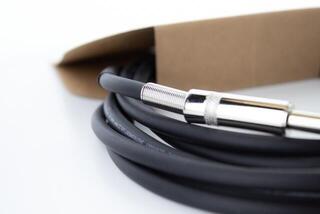
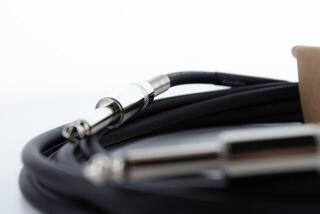
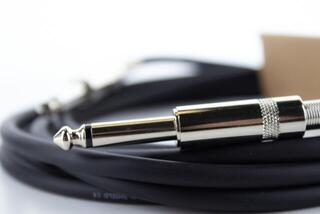
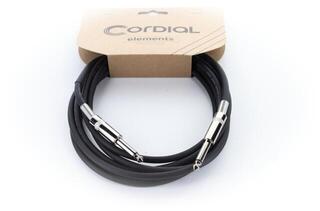
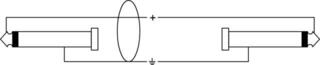
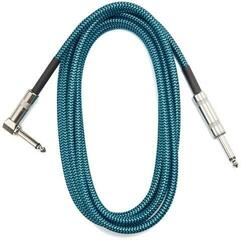
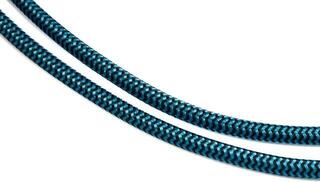
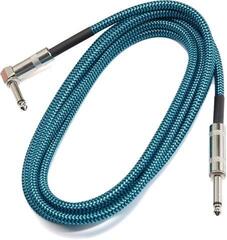
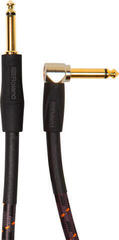
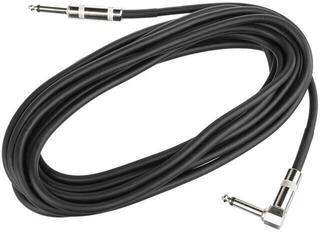
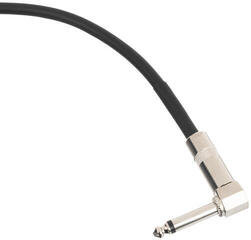
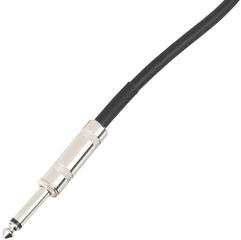
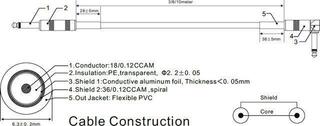
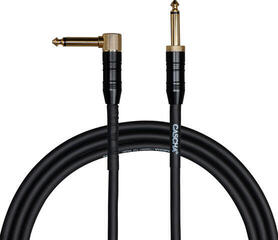
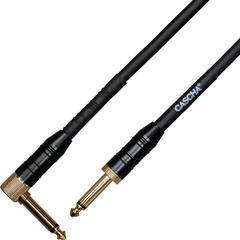
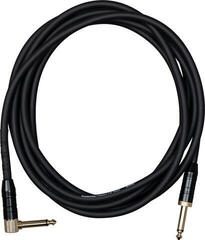
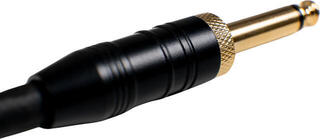
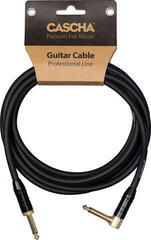
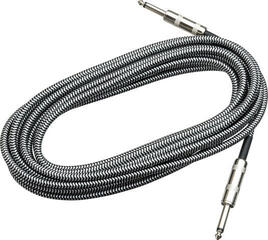
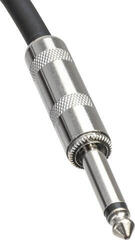
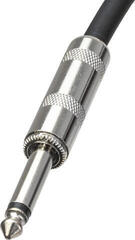
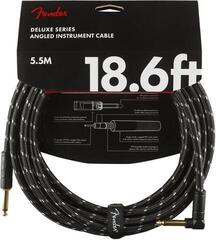
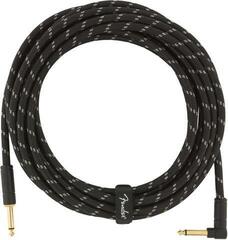
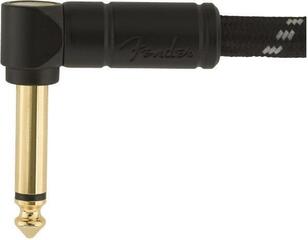
An electric guitar cable has a 6.3 mm mono jack at both ends and connects your guitar to an amp, a pedal or an audio interface. It's shielded so that it doesn't pick up hum from lighting and power supplies. There are hundreds of cables here from Fender, Cordial, Roland, Revoltage, Cascha, Bespeco and Soundking, with straight or angled plugs, in PVC or woven fabric jackets. The same cable works just as well for a bass guitar or an electro-acoustic guitar.
What length of guitar cable should you get?
For practising at home with a small combo, 3 m is plenty, and the cable won't end up sprawled across the whole room. For rehearsals and gigs most players take 6 m, so they can move without the cable pulling tight. The 9 and 10 m lengths are for big stages, or for when you stand a long way from your amp. Between the effects on a pedalboard you want short patch cables, and cables for keyboards and other instruments are in the Instrument Cables category.
Straight or angled jack for your guitar?
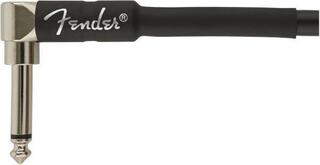
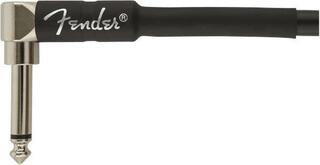
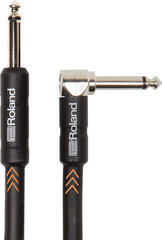
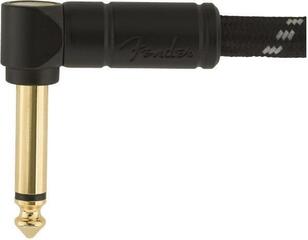
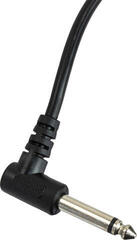
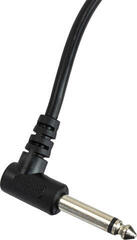
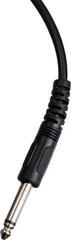
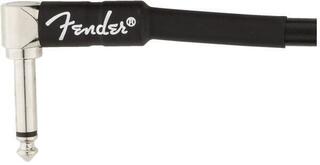
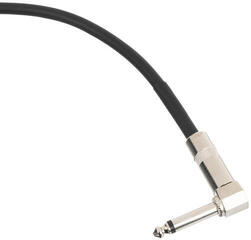
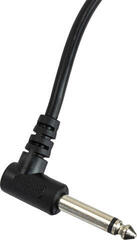
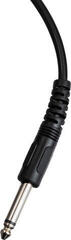
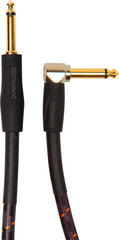
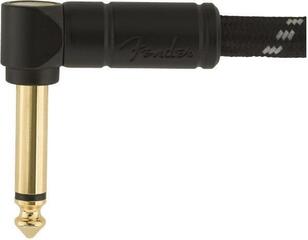
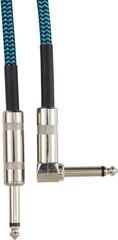
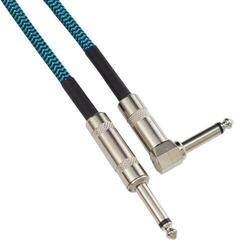
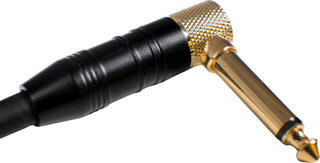
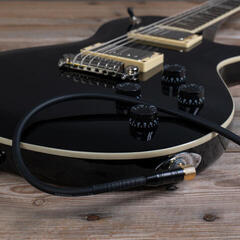
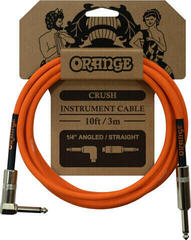
An angled (90°) plug suits guitars with the output on the edge of the body or on the top – the cable doesn't stick out and puts less strain on the socket. A straight plug is universal and fits any amp or pedal. That's why many cables have one angled end for the guitar and a straight one for the amp or the first pedal.
Does a cable change the sound of your guitar?
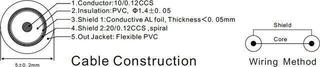
With passive pickups, a long cable with higher capacitance can roll off the treble, so the guitar sounds darker. Capacitance is given in picofarads per metre (pF/m), and the cables in the range sit roughly between 75 and 115 pF/m. If you play on a long cable and want a brighter sound, go for a lower value or a shorter cable.