 Albania
 Argentina
 Australia
 Austria
 Belgium
 Bosnia and Herzegovina
 Brazil
 Bulgaria
 Canada
 Chile
Chile
 Colombia
 Croatia
 Czech Republic
 Denmark
 Estonia
 Finland
 France
 Germany
 Greece
 Hungary
 Ireland
 Italy
Italy
 Latvia
 Lithuania
 Luxembourg
 Mexico
 Moldova
 Montenegro
 Netherlands
 New Zealand
 North Macedonia
 Norway
 Philippines
 Poland
 Portugal
 Romania
 Serbia
 Slovakia
 Slovenia
 South Africa
 Spain
Spain
 Sweden
 Switzerland
 Turkey
 Ukraine
 United Kingdom
 United States of America



XLR Connectors | page 5
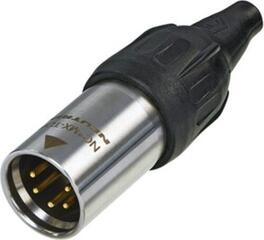
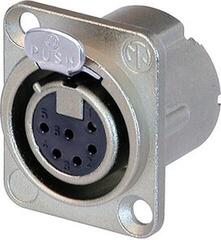
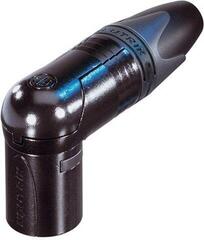
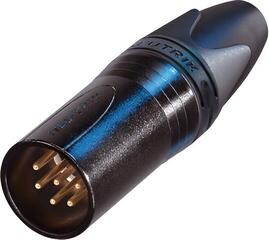
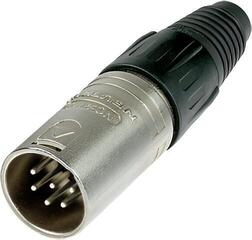
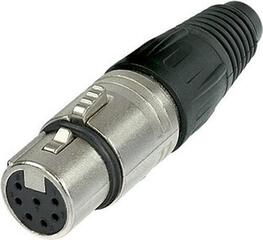
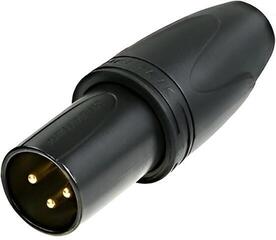
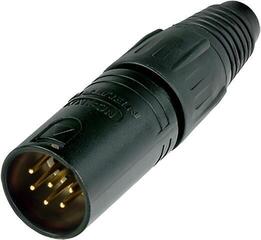
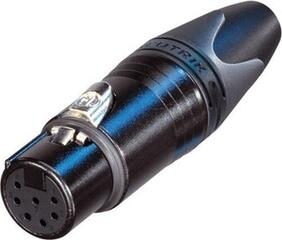
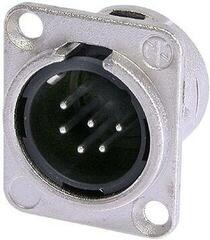
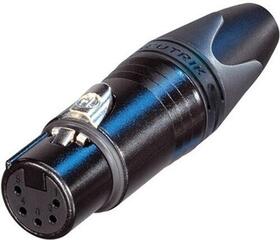
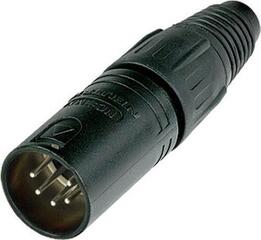
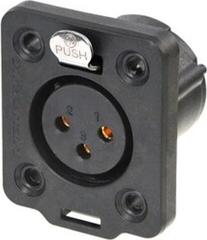
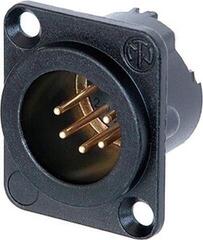
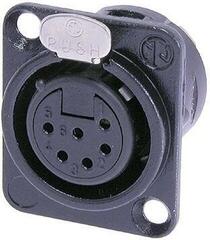
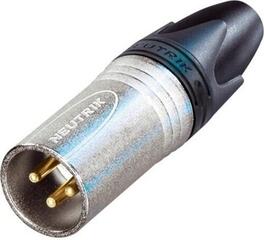
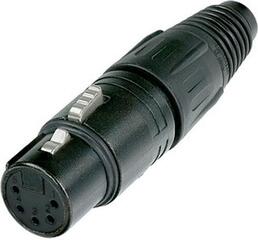
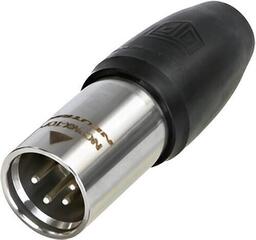
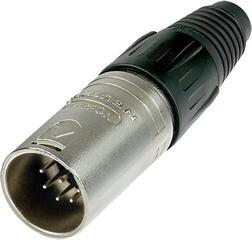
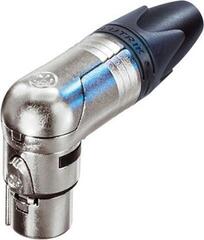
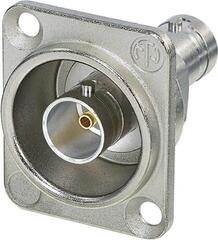
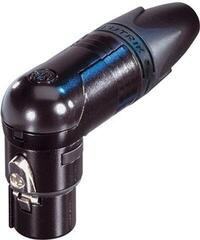
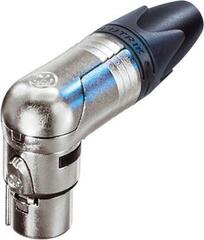
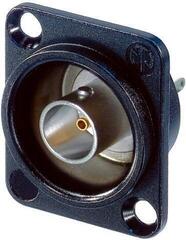
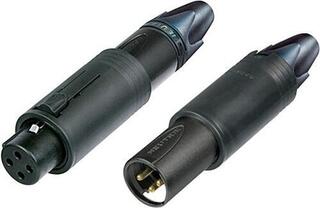
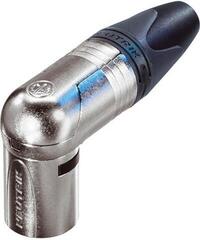
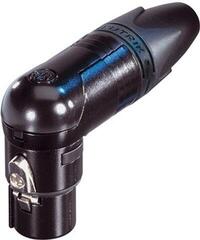
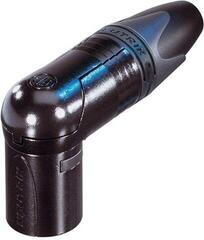
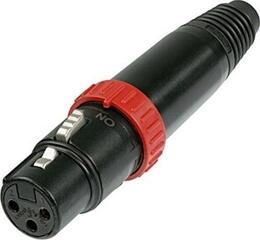
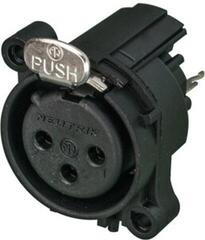
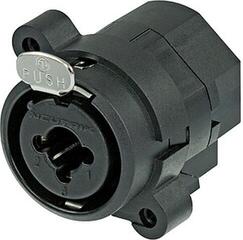
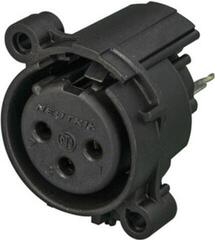
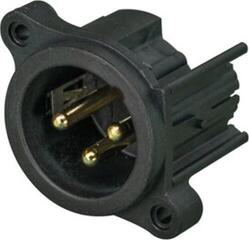
An XLR connector is an individual plug or socket used to assemble or repair a cable, or to fit a device or panel. An XLR cable is a finished lead with connectors at its ends, while an XLR input or output is a socket with a defined function. Shape alone is not enough when choosing: the pin count, male or female format and wiring must all match. In conventional professional audio, three-pin XLR is used mainly for balanced mono signals.
Male, female and pins 1, 2 and 3
A male connector has visible pins, while a female connector has contact sockets. In standard three-pin balanced audio wiring, pin 1 carries the shield or ground, pin 2 is signal positive and pin 3 is signal negative. Do not automatically apply this convention to multipin, power or manufacturer-specific connections. Check the device diagram and the markings on the connector before soldering.
| What you are choosing | Typical use | Check before buying |
|---|---|---|
| Male XLR | The usual microphone-cable end feeding a preamp or mixer | Pin count and mounting orientation |
| Female XLR | The usual cable end connected to a microphone | Cable, panel or chassis format |
| Mini XLR | A compact connection on selected wireless and bodypack equipment | Pin count and exact model compatibility |
| JACK–XLR adapter | Mechanical connection between different connector types | An adapter does not change signal level or make an unbalanced signal balanced |
Why XLR is used for balanced signals
In a balanced connection, two conductors carry the same signal with opposite polarity and the shield follows a separate path. A compatible input compares the two conductors and rejects some interference picked up along the cable. This is still one mono channel, not stereo. A stereo connection therefore normally needs two separate balanced paths, left and right.
From microphone to input
A typical signal path is microphone → XLR cable → microphone preamp, mixer or microphone input on an audio interface. A compatible input can send 48 V phantom power along the same cable to a condenser microphone or another device that requires it. Phantom power is not a feature of every XLR connection and should not be switched on automatically. Mute the channel, lower the gain and check the requirements of both microphone and equipment before connecting.
When to use XLR–XLR or XLR–JACK
XLR–XLR is the natural choice between a microphone and microphone input, or between devices with balanced XLR inputs and outputs. XLR–JACK makes sense when the other device has a compatible 6.3 mm TRS input or output. Changing the connector alone does not confirm matching level or impedance. If you are linking a microphone output to a line input, or a balanced circuit to an unbalanced one, consult the manufacturer's wiring information first; a simple adapter may not be the right solution.