Albania
 Argentina
 Australia
 Austria
 Belgium
 Bosnia and Herzegovina
 Brazil
 Bulgaria
 Canada
 Chile
 Colombia
 Croatia
 Czech Republic
 Denmark
 Estonia
 Finland
 France
 Germany
 Greece
 Hungary
 Ireland
 Italy
 Latvia
 Lithuania
 Luxembourg
 Mexico
 Moldova
 Montenegro
 Netherlands
 New Zealand
 North Macedonia
 Norway
 Philippines
 Poland
 Portugal
 Romania
 Serbia
 Slovakia
 Slovenia
 South Africa
 Spain
 Sweden
 Switzerland
 Turkey
 Ukraine
 United Kingdom
 United States of America


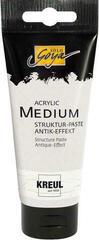
Structuring Pastes
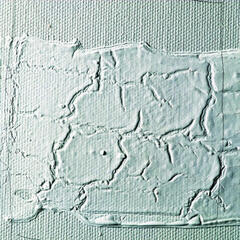
Texture paste creates a relief on the support that can remain on its own or be painted after drying. The density, grain, and weight of the layer affect which support is suitable. Thin canvas may flex under a heavy relief. Test adhesion and drying time on a small sample before a large application.
Smooth, grainy, and lightweight paste
- Smooth paste can be shaped with a palette knife and creates a clean relief.
- Grainy paste adds a rough, mineral-like surface.
- Lightweight paste places less strain on a larger canvas.
- Thick paste retains pronounced tool ridges.
A rigid support and suitable layer
The surface must be clean, dry, and prepared for the product. Build the relief in layers within the range specified by the manufacturer. A thick application may dry faster on the outside than within and crack when the support moves.
Tools create texture
A palette knife creates edges and flat planes, a comb creates regular grooves, and a stencil creates a repeated relief. Do not pull the tool suddenly out of the paste if you want a clean edge. You can find surface coatings and related materials under Varnishes and Coatings.
Clean while still wet
Clean palette knives and stencils before the paste dries. Close the container tightly. Protect the finished work from bending and impacts to the raised relief.