Albania
 Argentina
 Australia
 Austria
 Belgium
 Bosnia and Herzegovina
 Brazil
 Bulgaria
 Canada
 Chile
 Colombia
 Croatia
 Czech Republic
 Denmark
 Estonia
 Finland
 France
 Germany
 Greece
 Hungary
 Ireland
 Italy
 Latvia
 Lithuania
 Luxembourg
 Mexico
 Moldova
 Montenegro
 Netherlands
 New Zealand
 North Macedonia
 Norway
 Philippines
 Poland
 Portugal
 Romania
 Serbia
 Slovakia
 Slovenia
 South Africa
 Spain
 Sweden
 Switzerland
 Turkey
 Ukraine
 United Kingdom
 United States of America


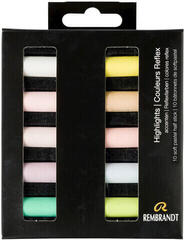
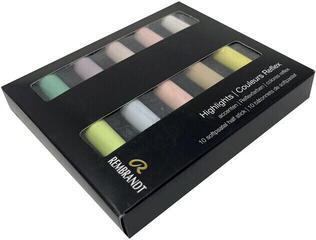
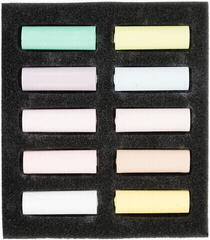
Soft Pastels
Soft pastel deposits pigment on the surface of the paper and, unlike wet paint, does not form a solid film. It therefore needs a support with enough tooth to hold additional layers. The hardness of the stick determines whether it is easier to draw a precise line or a rich, soft area. Choose a set according to the subject, working format, and how much blending you want to do directly on the paper.
Hard and soft pastels serve different purposes
A harder pastel is suitable for the initial sketch, a thinner edge, and controlled detail. A soft pastel releases more pigment, quickly creates a rich area, and is easier to layer, but produces more dust. A pastel pencil complements both types for eyes, hair, twigs, and other small details. Oil pastel, available in the Oil Pastels category, uses an oily binder, produces no dust, and does not create the same dry, velvety transition.
The paper must hold the pigment
Smooth office paper quickly becomes saturated and additional layers begin to slide off. Finely textured pastel paper provides control for portraits, while a more pronounced grain accepts more layers and supports landscape texture. A toned support saves time when building mid-values: you add highlights above the tone and shadows below it. Before starting a large drawing, test both hard and soft pastel in a corner and check how many layers the surface accepts.
Layering without muddying the colors
Begin by lightly laying out the large shapes and dark areas. Apply color with less pressure so the tooth remains open for additional shades. Blending with a finger unifies transitions, but you need a clean part of your hand or a separate tool for each color; otherwise, the shades become contaminated. Leave the brightest highlights and sharpest edges until the end, when you no longer need to cover a large area.
Use fixative as a tested layer
Fixative can reduce pigment shedding, but it can also darken highlights or alter subtle transitions. Do not spray it on a finished artwork for the first time. Make a test sample using the same paper and colors, apply several light coats from the recommended distance, and let the surface settle between them according to the instructions. Work in a ventilated area and follow the manufacturer's safety instructions.
Comparing drawing options
| Medium on paper | Strength | Limitation |
|---|---|---|
| Hard soft pastel | Controlled line | Less saturated areas |
| Soft soft pastel | Rich pigment and soft transitions | Dust and sensitivity to touch |
| Pastel pencil | Details and sharp edges | Slower coverage of large areas |
| Oil pastel | Rich, dust-free mark | Different blending and oily surface |
Storing a finished drawing
Do not turn the drawing unnecessarily while working or blow dust toward your face. Cover the finished sheet with smooth protective paper or frame it so the painted surface does not rub against the glass. Separate sticks by color and wipe a dirty edge before making a clean stroke. The Pastels category brings together a broader selection of similar media.