 Albania
 Argentina
 Australia
 Austria
 Belgium
 Bosnia and Herzegovina
 Brazil
 Bulgaria
 Canada
 Chile
Chile
 Colombia
 Croatia
 Czech Republic
 Denmark
 Estonia
 Finland
 France
 Germany
 Greece
 Hungary
 Ireland
 Italy
Italy
 Latvia
 Lithuania
 Luxembourg
 Mexico
 Moldova
 Montenegro
 Netherlands
 New Zealand
 North Macedonia
 Norway
 Philippines
 Poland
 Portugal
 Romania
 Serbia
 Slovakia
 Slovenia
 South Africa
 Spain
Spain
 Sweden
 Switzerland
 Turkey
 Ukraine
 United Kingdom
 United States of America



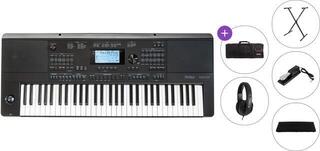
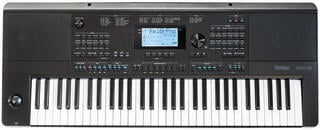
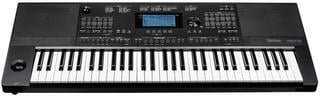
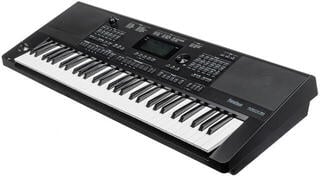
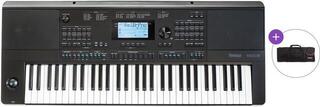
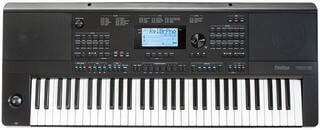
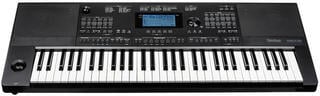
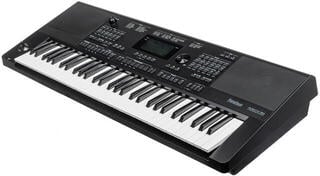
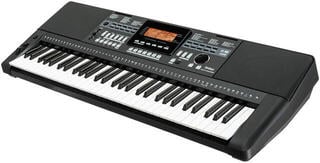
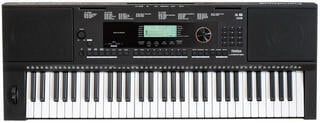
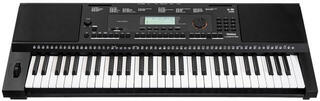
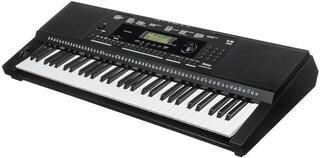
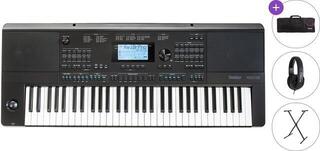
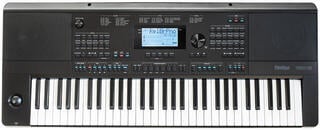
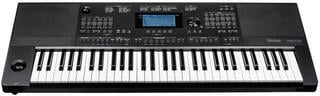
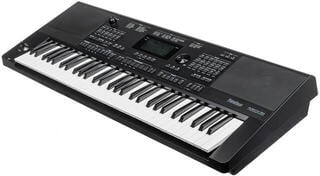
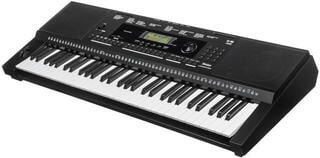
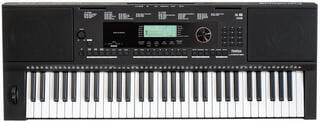
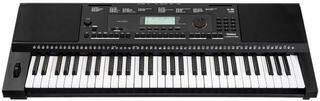
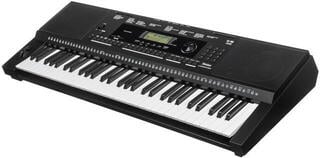
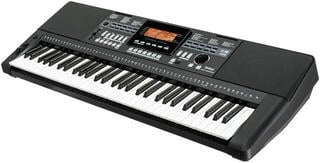
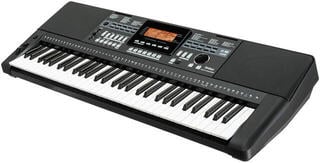
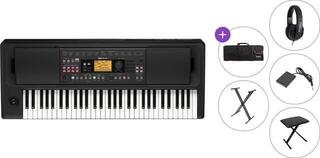
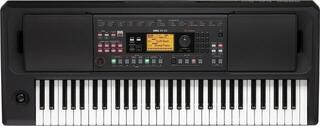
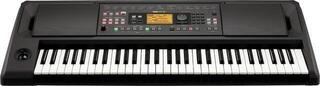
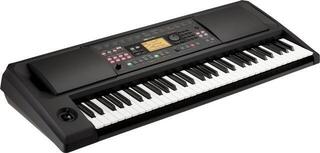
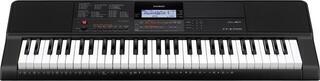
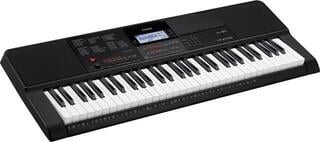
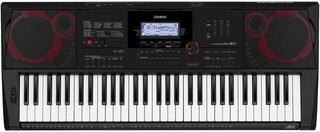
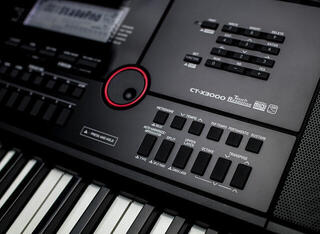
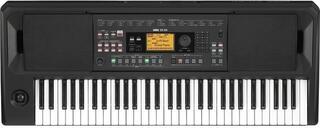
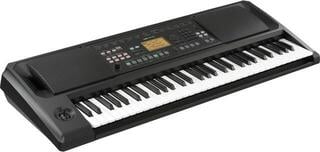
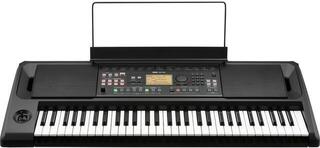
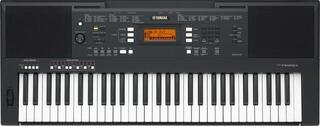
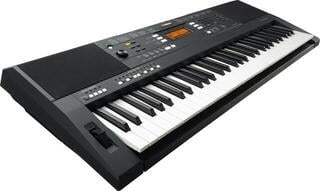
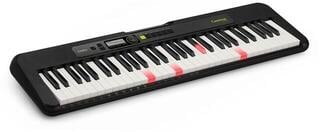
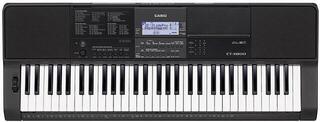
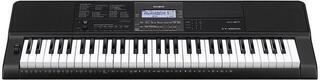
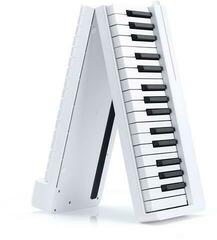
Keyboard with Touch Response
Touch-sensitive keyboards respond to how firmly you play: a lighter touch produces a quieter note, while a stronger strike produces a louder one. This lets you shape expression without adjusting the volume control while playing. The feature helps you practise controlled technique and more natural phrasing. On its own, however, it does not indicate the number of keys or whether the instrument has a hammer-action keyboard.
Who is a touch-sensitive keyboard for?
A beginner can start working on the difference between a light and a firm touch from the first lessons. More experienced players can use it in rehearsals, on stage and when recording, especially when they need to shape the intensity of an accompaniment or solo through their playing. Moving to a digital piano later may be easier, although the playing feel also depends on the action and key resistance.
What to consider when choosing
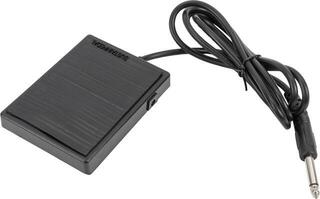
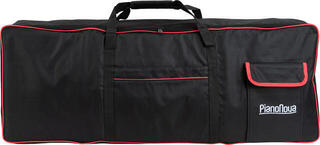
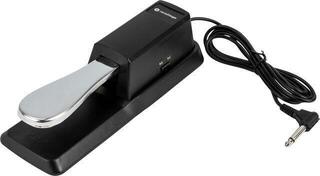
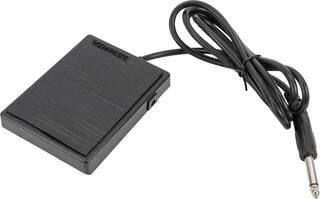
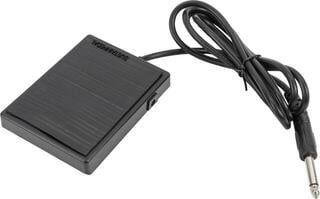
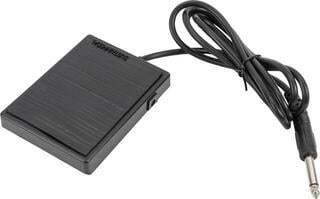
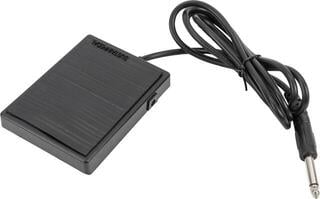
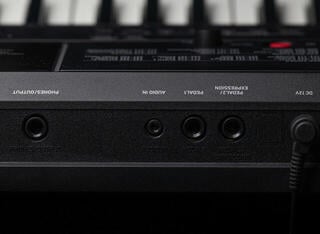
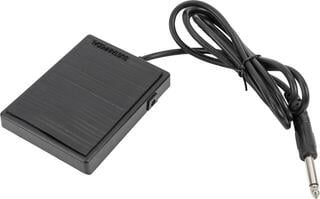
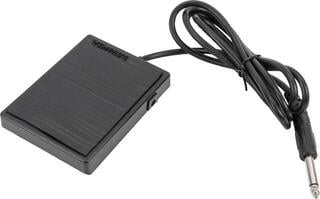
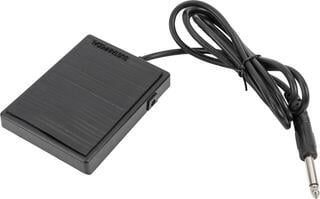
Choose the keyboard range to suit your repertoire and the space where the instrument will be used or transported. Built-in speakers, learning functions and automatic accompaniments can be useful for home practice; easily accessible sounds, suitable outputs and a pedal connection matter more in a band. If you want to work with a computer or music software, check the available USB and MIDI connections. For mobile use, also consider the dimensions, weight and power options.
Touch sensitivity versus weighted keys
| Feature | What it describes | Why it matters |
|---|---|---|
| Touch sensitivity | How volume or tone character responds to playing force | Allows more expressive playing |
| Weighted keys | Resistance and mechanical feel when a key is pressed | Affects technique and similarity to an acoustic piano |
| Number of keys | The range of the keyboard | Determines how many notes are directly available |
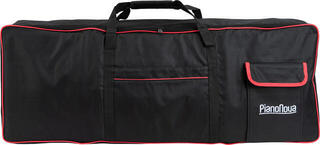
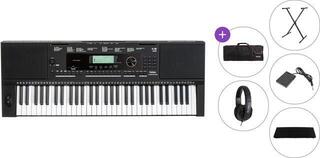
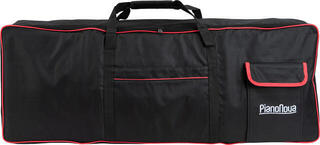
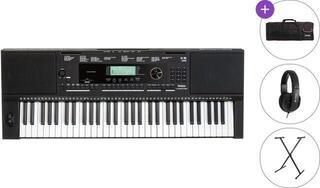
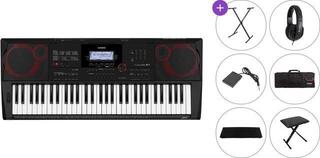
For a specific model, check not only whether its keys are touch-sensitive but also their number and size, the type of action, the connections and the package contents. Sensitivity may offer several levels or an off setting; adjustment options vary between models. Match your choice to whether you will mainly practise, use accompaniments, record or transport the instrument regularly.