Albania
 Argentina
 Australia
 Austria
 Belgium
 Bosnia and Herzegovina
 Brazil
 Bulgaria
 Canada
 Chile
 Colombia
 Croatia
 Czech Republic
 Denmark
 Estonia
 Finland
 France
 Germany
 Greece
 Hungary
 Ireland
 Italy
 Latvia
 Lithuania
 Luxembourg
 Mexico
 Moldova
 Montenegro
 Netherlands
 New Zealand
 North Macedonia
 Norway
 Philippines
 Poland
 Portugal
 Romania
 Serbia
 Slovakia
 Slovenia
 South Africa
 Spain
 Sweden
 Switzerland
 Turkey
 Ukraine
 United Kingdom
 United States of America



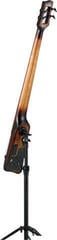
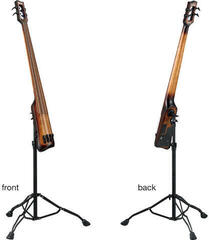
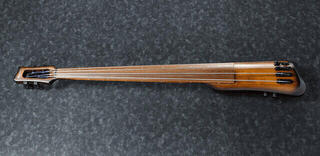
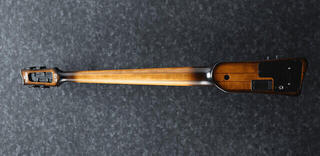
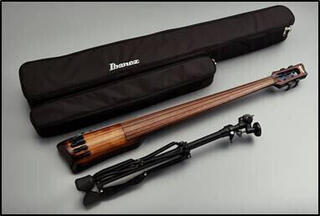
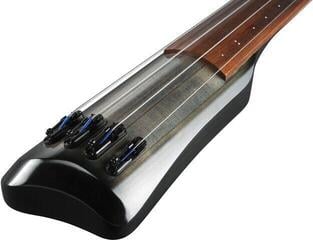
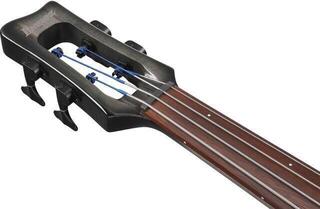
Electric Double Basses
An electric double bass reduces the size of the resonant body and transmits sound through a pickup, making transport and amplification easier. However, it must retain the scale length, playing position and support points, otherwise transferring your technique from an acoustic instrument is difficult. Before choosing, consider ergonomics, the output and compatible amplification.
Side supports replace the ribs
On an acoustic body, you orient yourself by touch. The frame or removable supports of an electric model should provide a similar reference point without wobbling. The endpin must hold its height and not slip on the floor.
The scale length must suit your left hand
Compare the size designation with the actual string length. If you are switching from a double bass, a significantly different scale length will change the positions. Also check the curvature of the bridge for bowing.
A piezo output needs the correct input
A passive pickup may sound thin with unsuitable impedance. Choose a preamplifier or DI according to the output and amplification system. You will find separate solutions among pickups for string instruments.
Headphones may not work when connected directly
An output labelled line or instrument often cannot drive headphones. For silent practice, you need a built-in headphone amplifier or an external device. If the model uses a battery, check its charge before a concert.
Check the transport dimensions with the supports folded as well
The advantage of an electric model is its compactness, but the endpin, frame and stand still need a safe place. The connectors must not be under pressure in the bag, and you should label removable parts so that you do not mix them up during assembly.
Choose an electric double bass according to its scale length and supports, then check the entire signal chain through to the headphones or speaker.