Albania
 Argentina
 Australia
 Austria
 Belgium
 Bosnia and Herzegovina
 Brazil
 Bulgaria
 Canada
 Chile
 Colombia
 Croatia
 Czech Republic
 Denmark
 Estonia
 Finland
 France
 Germany
 Greece
 Hungary
 Ireland
 Italy
 Latvia
 Lithuania
 Luxembourg
 Mexico
 Moldova
 Montenegro
 Netherlands
 New Zealand
 North Macedonia
 Norway
 Philippines
 Poland
 Portugal
 Romania
 Serbia
 Slovakia
 Slovenia
 South Africa
 Spain
 Sweden
 Switzerland
 Turkey
 Ukraine
 United Kingdom
 United States of America



Effect Whistles
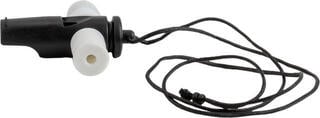
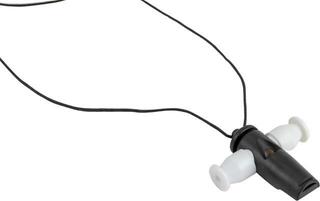
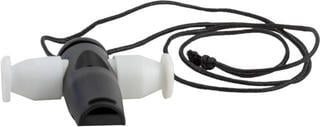
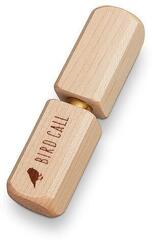
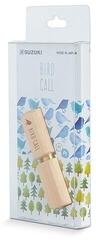
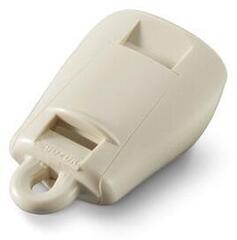
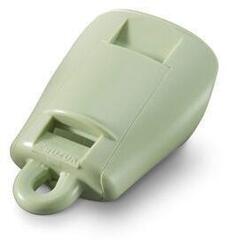
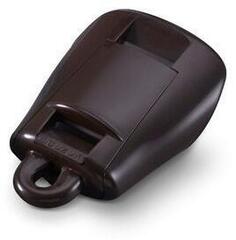
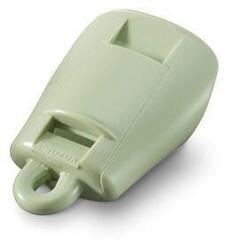
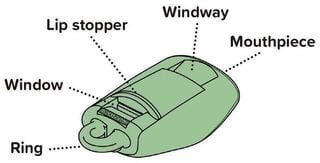
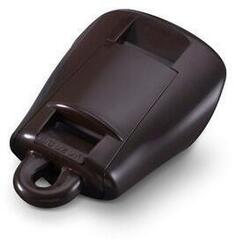
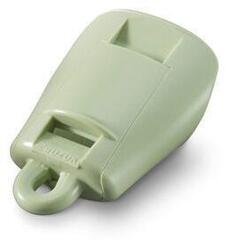
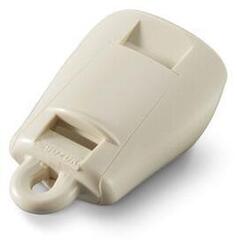
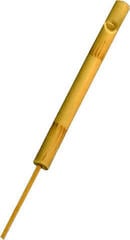
Effect whistles produce a short sound signal, an imitation of a bird, a siren or a rhythmic accent. You do not choose them according to melodic range like a flute, but according to the specific effect, method of operation and volume. For recording, consistent sound is important; for children's use, choose a safe material and smooth edges.
A mechanical effect must respond without sticking
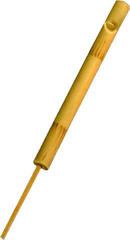
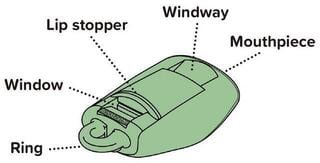
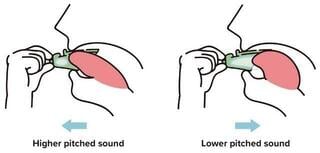
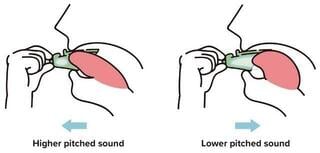
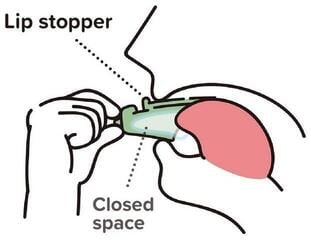
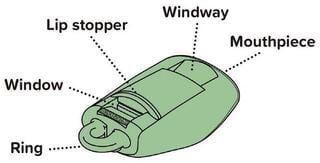
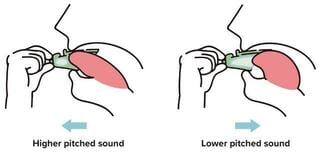
Slide, water or membrane whistles change pitch through movement or a resonator. Test whether the mechanism can produce the same sound over several repetitions. Use water only with a model designed for it, and dry it thoroughly after playing. With a model that has a moving part, also check whether you can operate it safely with one hand.
Assess volume in the actual space
A small signal whistle can be very loud at close range. When rehearsing or working with sound, keep it away from your ears and the microphone. For rhythmic humming with your voice, use a kazoo, which works on a different principle.
Distinguish traditional origins from a stage effect
If you are looking for a specific cultural technique and tuning, browse ethnic whistles. An effect whistle may only resemble the authentic sound. The manufacturer's description and a sound sample are therefore more important than the general name.
Choose one precisely defined effect, check its volume and mechanism, and only then consider the instrument's colour or decoration.