Albania
 Argentina
 Australia
 Austria
 Belgium
 Bosnia and Herzegovina
 Brazil
 Bulgaria
 Canada
 Chile
 Colombia
 Croatia
 Czech Republic
 Denmark
 Estonia
 Finland
 France
 Germany
 Greece
 Hungary
 Ireland
 Italy
 Latvia
 Lithuania
 Luxembourg
 Mexico
 Moldova
 Montenegro
 Netherlands
 New Zealand
 North Macedonia
 Norway
 Philippines
 Poland
 Portugal
 Romania
 Serbia
 Slovakia
 Slovenia
 South Africa
 Spain
 Sweden
 Switzerland
 Turkey
 Ukraine
 United Kingdom
 United States of America


Yamaha Keys
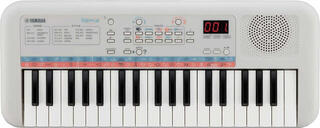
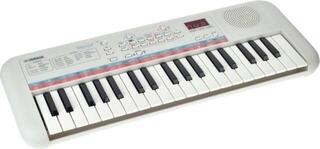
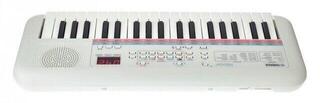
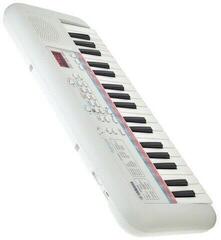
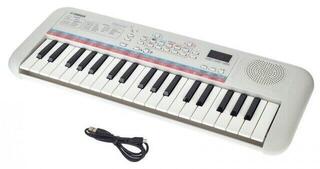
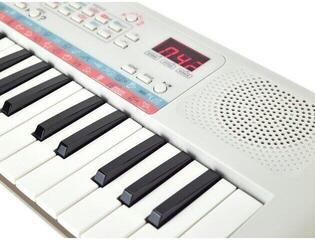
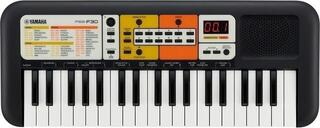
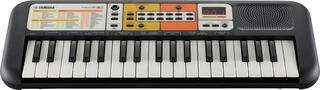
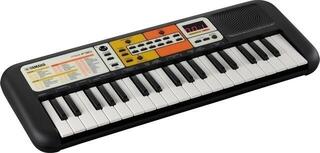
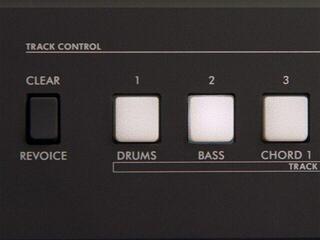
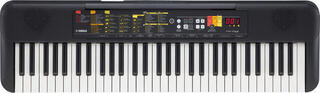
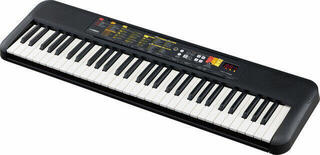
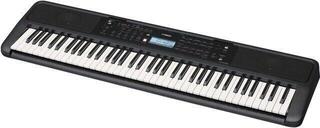
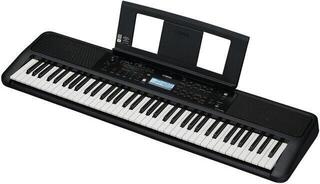
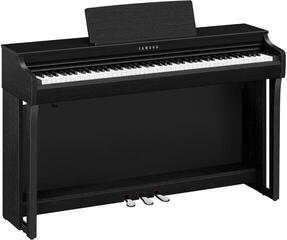
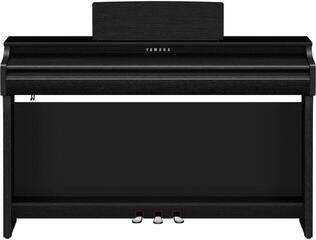
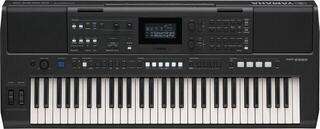
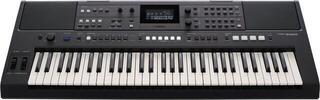
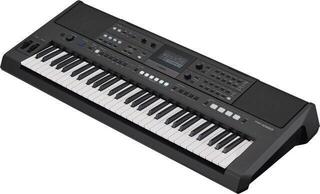
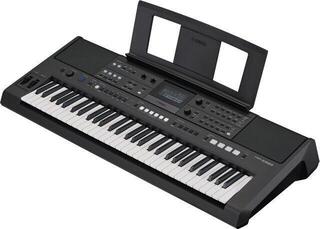
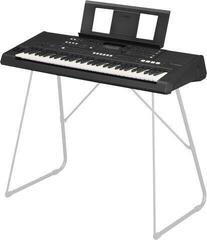
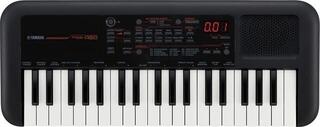
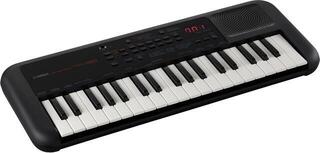
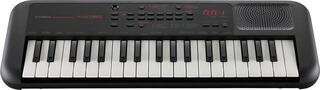
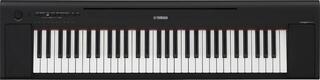
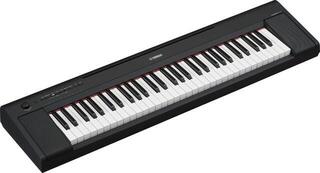
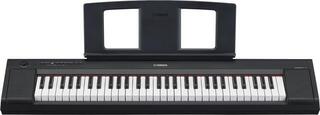
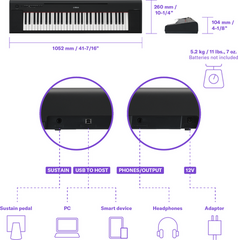
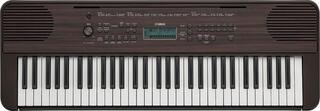
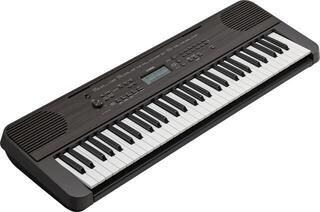
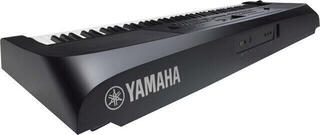
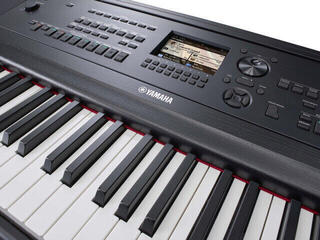
The Yamaha keyboard instruments on this page cover everything the Japanese brand makes with a keyboard: portable keyboards for learning and fun, home digital pianos, portable and stage pianos, synthesizers, organs and acoustic upright pianos. Most instruments have 88 or 61 keys, while the small PSS keyboards and Reface synthesizers have 37 keys, and some models have 76. The letters at the start of the model name, such as PSR, YDP or MODX, tell you whether it's a keyboard, piano or synthesizer. Many instruments also come in Basic, Standard or Premium sets, with a stand, headphones, bench or dust cover included alongside the instrument.
What do PSR, YDP, CLP and MODX mean on Yamaha instruments?
| Model designation | Instrument type | Who it's for |
|---|---|---|
| PSS, PSR-F, PSR-E, EZ | keyboards with rhythms and accompaniment | children, beginners, playing for fun |
| PSR-SX, PSR-A5000, Genos 2 | arranger keyboards with full-band accompaniment styles | entertainers, solo performers |
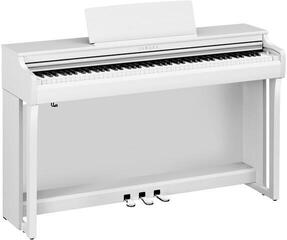
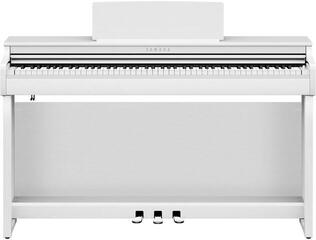
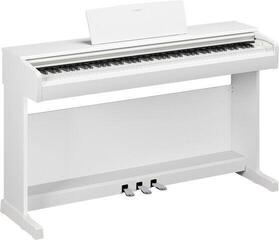
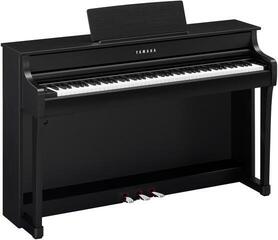
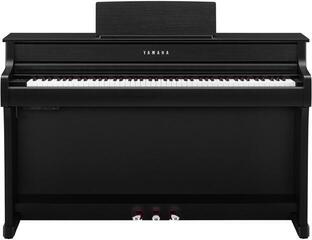
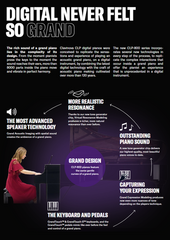
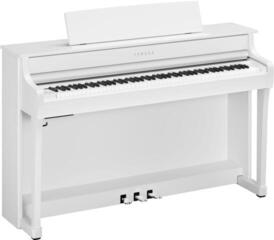
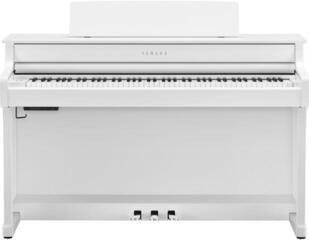
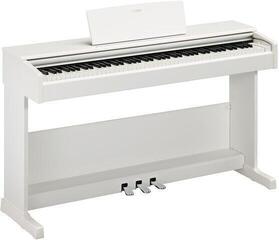
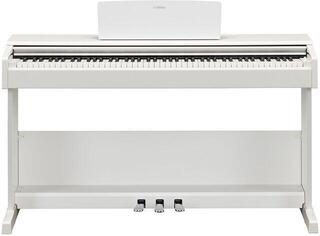
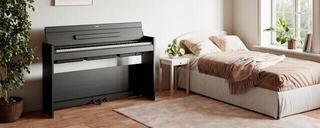
| YDP, CLP, CSP, CVP | cabinet-style digital pianos | piano students, home practice |
| P, NP, DGX, CP | portable and stage pianos | homes without room for a cabinet, bands |
| MODX, CK, MX, Reface | synthesizers | sound design, studio work, bands |
| YC | stage organs | bands with organ parts |
| B10, B20, B30 | acoustic pianos, also with SC3 or TC3 silent playing modes | classical study, home use |
Keyboard or digital piano: which should you start with?
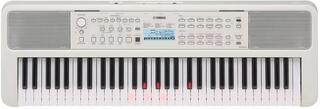
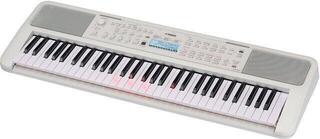
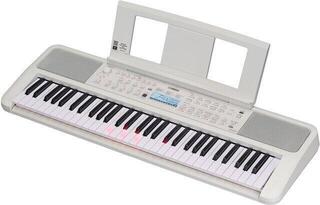
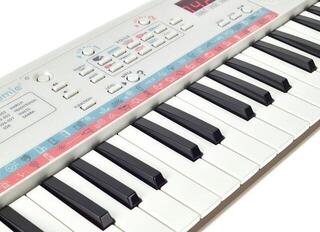
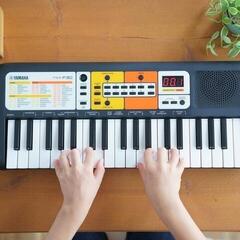
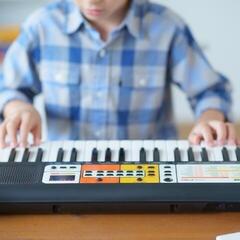
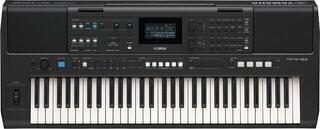
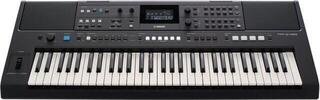
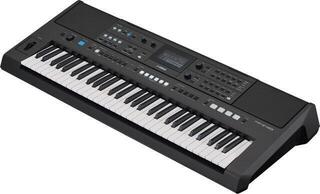
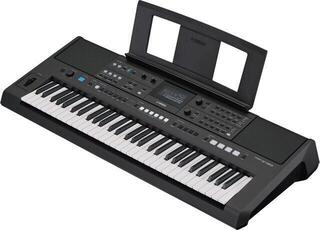
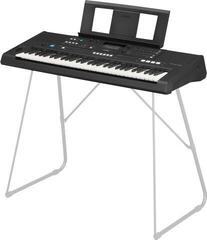
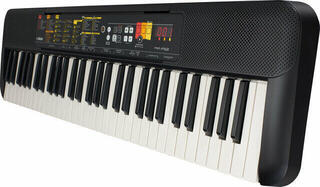
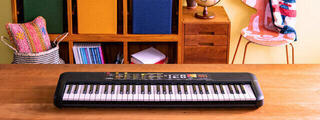
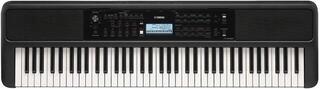
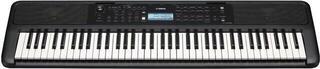
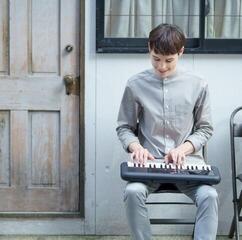
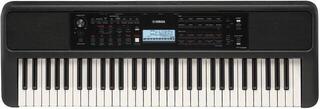
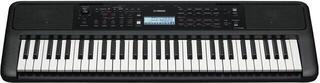
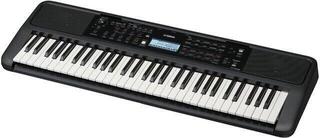
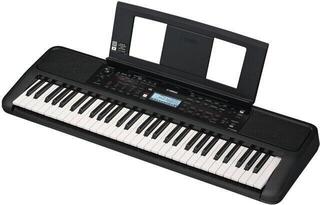
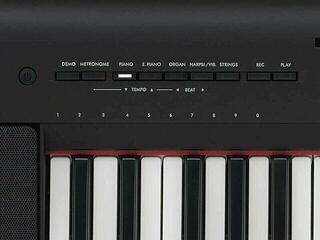
A PSR-E383 or PSR-E483 keyboard has 61 light, touch-sensitive keys, hundreds of sounds and rhythms for accompaniment. It fits on a table and suits songs, chords and your first musical experiments. The EZ-310 has illuminated keys that show you where to place your finger. The PSR-E283 and PSR-F52 keyboards don't respond to how hard you strike a key, which is enough for children playing for fun, but not for practising expression.
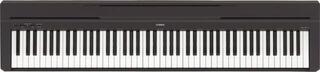
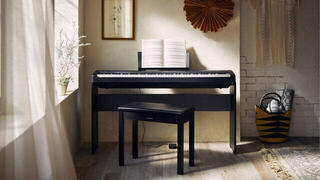
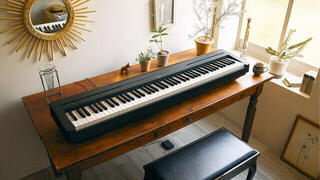
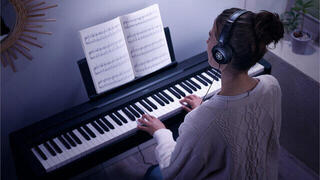
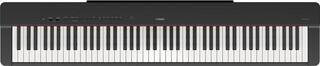
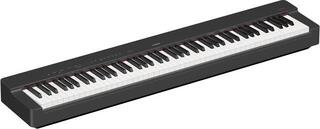
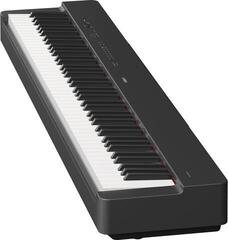
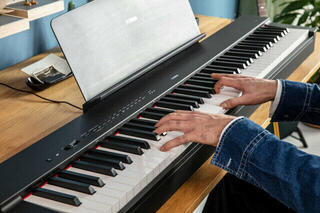
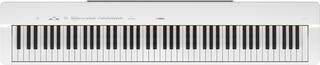
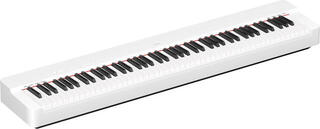
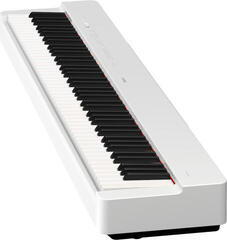
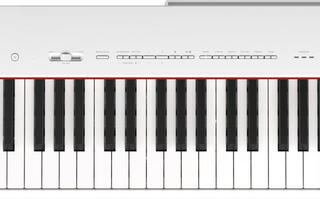
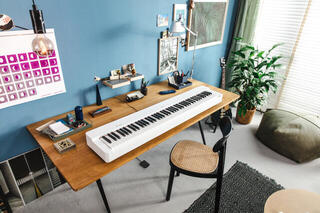
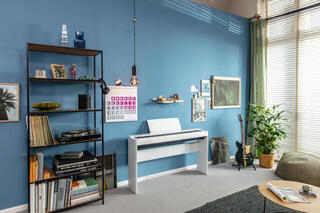
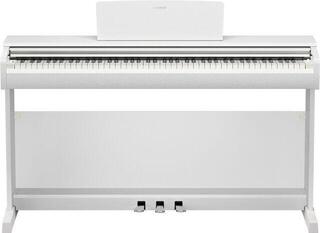
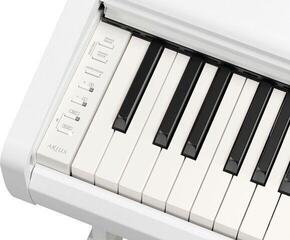
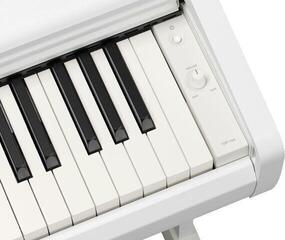
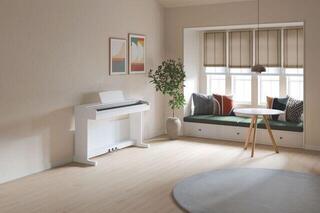
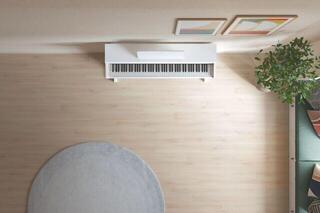
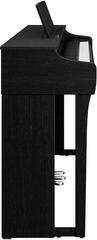
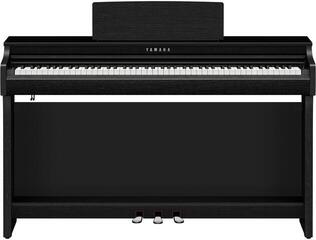
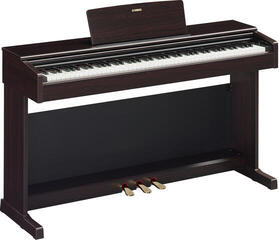
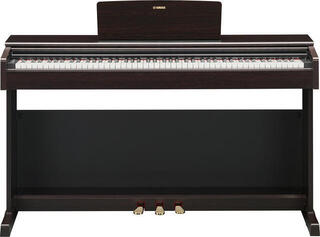
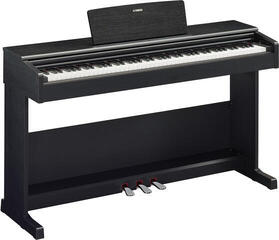
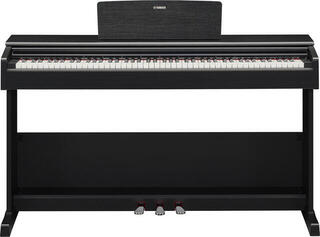
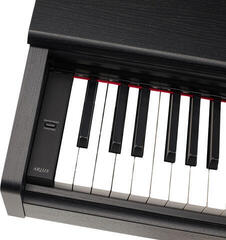
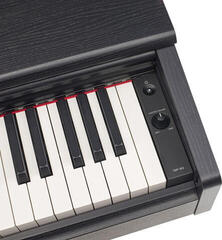
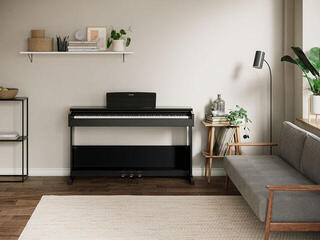
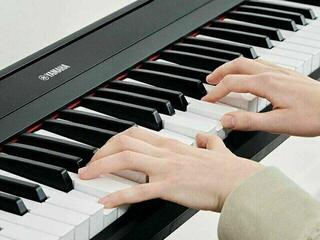
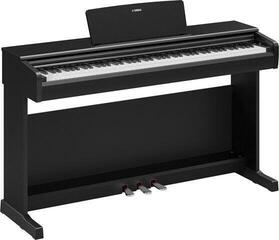
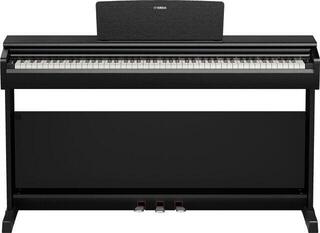
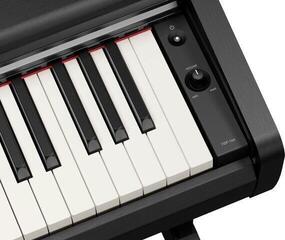
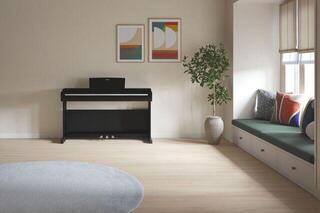
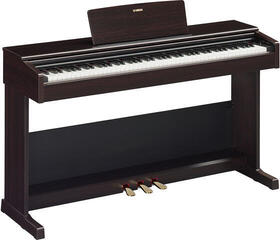
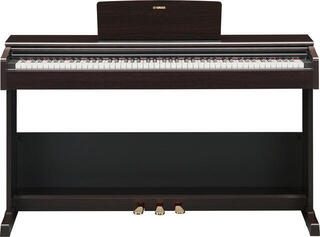
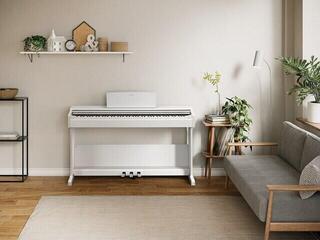
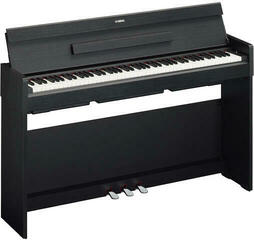
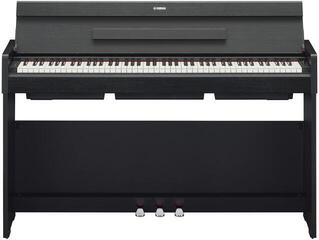
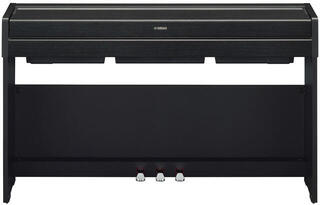
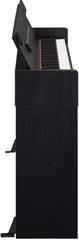
If you want to learn piano or attend music school, you need 88 keys with a hammer action that offers more resistance in the bass than in the treble. The portable P-145 and P-225 pianos and the Arius and Clavinova home pianos have this type of keyboard. After playing, you can put a portable piano in a corner or take it to rehearsal, while a cabinet-style digital piano has a fixed stand, three pedals and stays in place like an upright piano.
The B10, B20 and B30 acoustic upright pianos are also available in SC3 and TC3 versions. The SC3 version lets you play quietly through headphones, while TC3 adds digital sounds that play through the instrument's soundboard.
When should you choose a synthesizer, organ or stage piano?
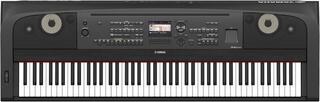
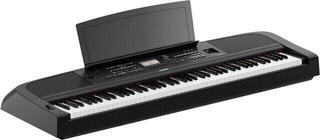
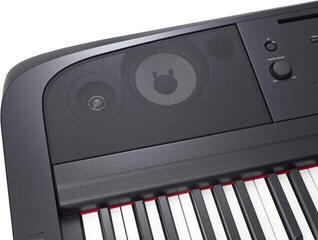
The CP73 and CP88 stage pianos and YC organs are built for the stage: they have no speakers and send their sound to a PA system or amplifier. The portable P-525 and P-S500 pianos and the DGX-670 home piano do have speakers, so you can play them without any additional equipment.
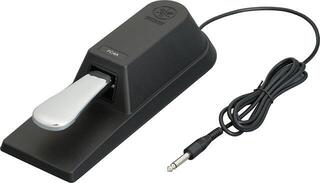
A MODX M6, M7 or M8 synthesizer with 61, 76 or 88 keys is a workstation for creating your own sounds and playing in a band. The small 37-key Reface models recreate individual classic instruments: DX offers FM synthesis, CS an analogue synthesizer, CP an electric piano and YC a combo organ. You'll find stands, pedals, cases and spare parts in the Yamaha keyboard accessories section.