Albania
 Argentina
 Australia
 Austria
 Belgium
 Bosnia and Herzegovina
 Brazil
 Bulgaria
 Canada
 Chile
 Colombia
 Croatia
 Czech Republic
 Denmark
 Estonia
 Finland
 France
 Germany
 Greece
 Hungary
 Ireland
 Italy
 Latvia
 Lithuania
 Luxembourg
 Mexico
 Moldova
 Montenegro
 Netherlands
 New Zealand
 North Macedonia
 Norway
 Philippines
 Poland
 Portugal
 Romania
 Serbia
 Slovakia
 Slovenia
 South Africa
 Spain
 Sweden
 Switzerland
 Turkey
 Ukraine
 United Kingdom
 United States of America


Digital synthesizers
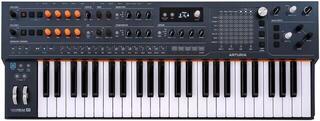
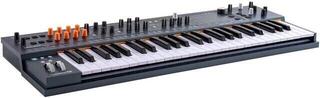
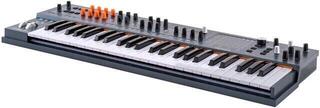
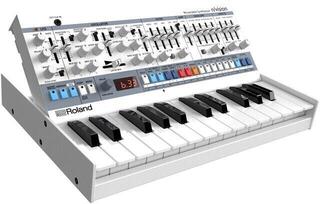
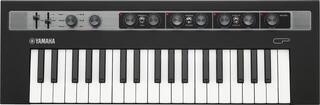
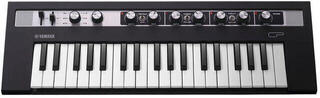
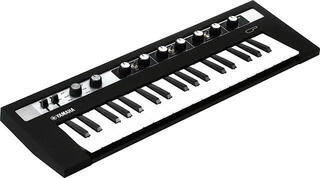
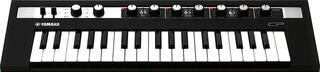
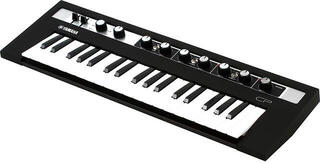
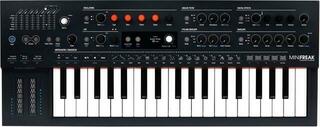
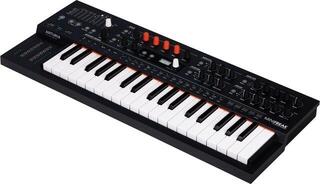
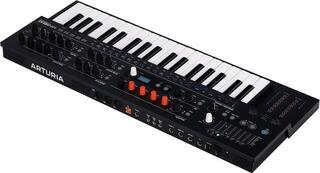
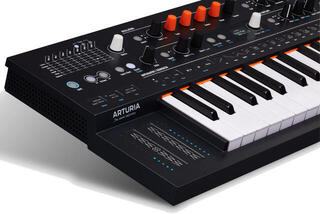
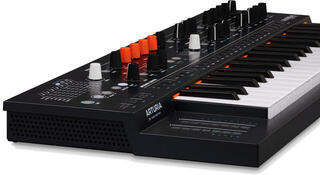
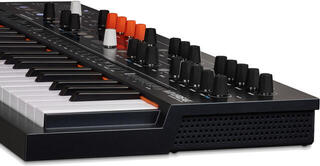
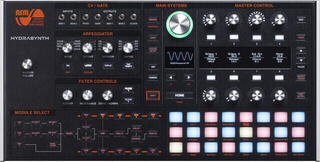
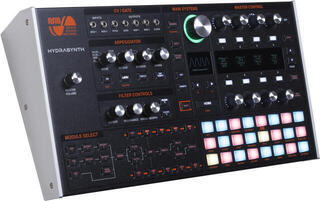
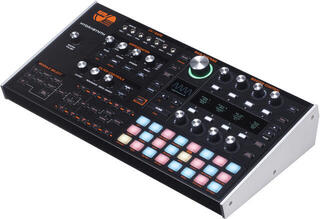
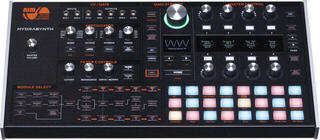
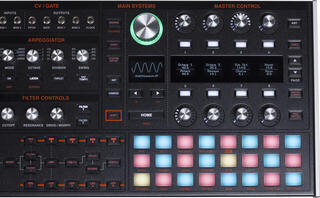
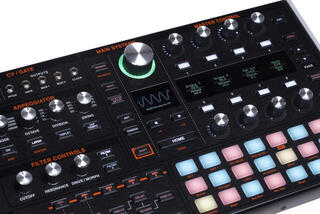
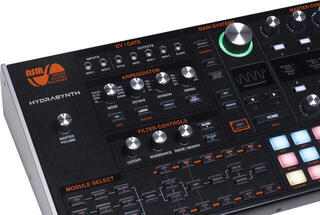
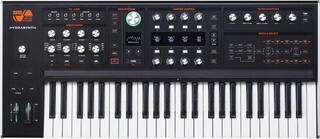
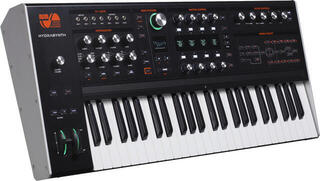
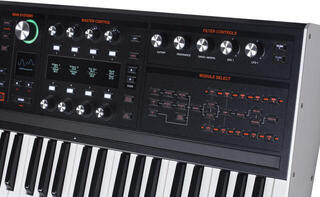
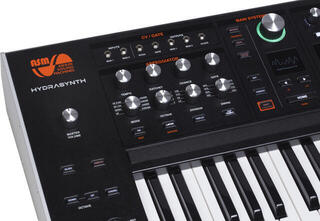
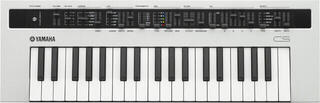
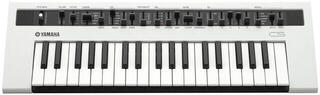
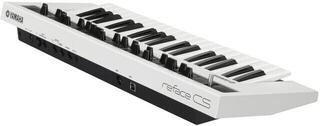
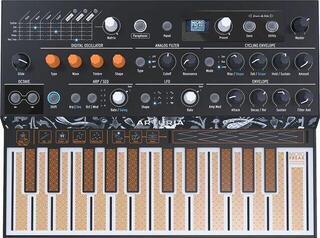
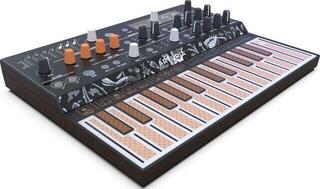
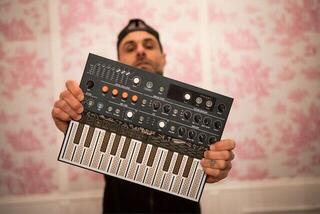
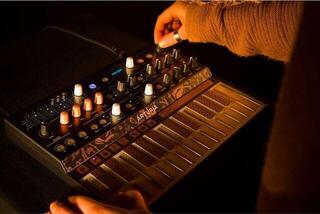
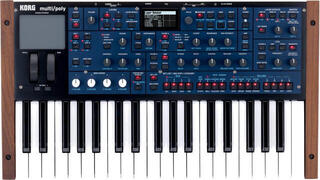
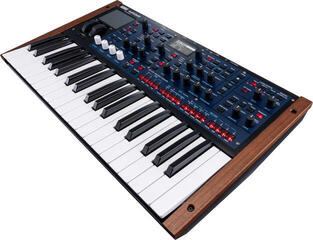
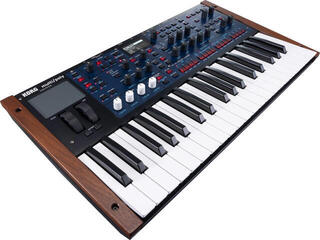
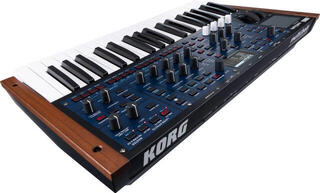
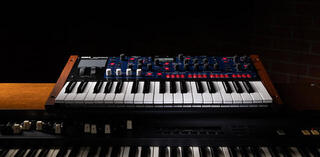
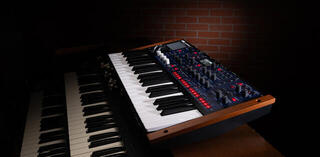
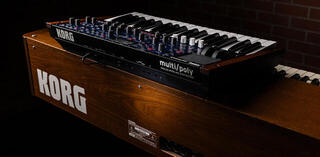
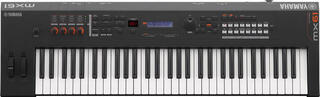
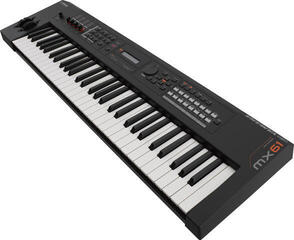
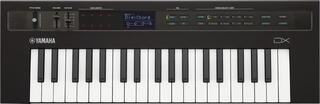
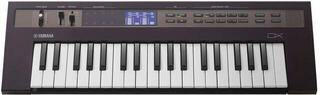
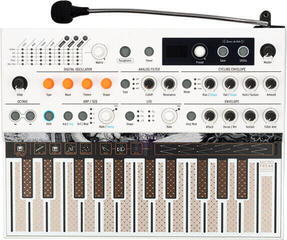
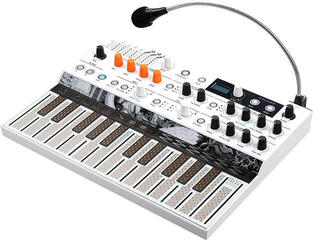
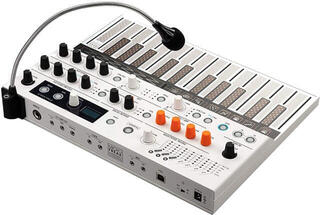
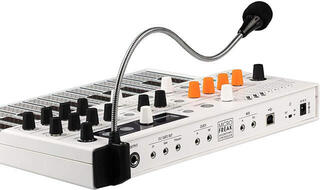
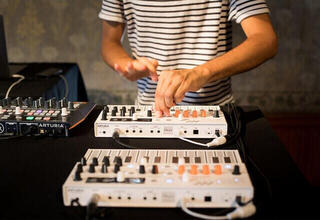
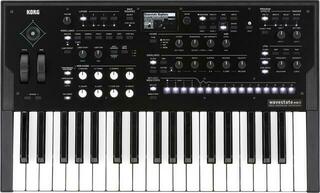
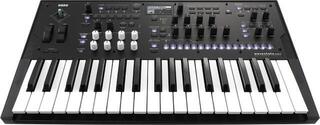
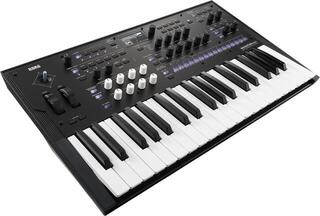
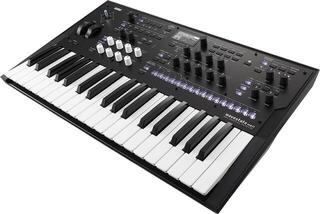
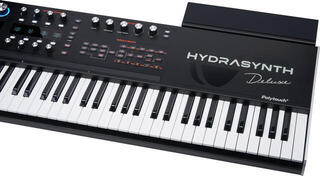
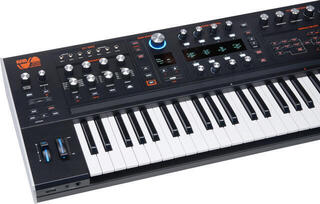
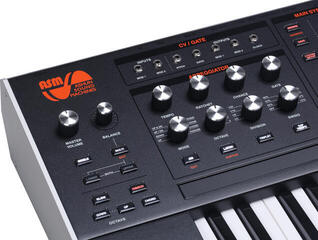
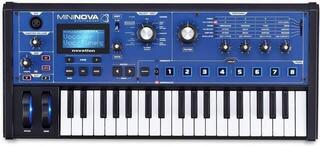
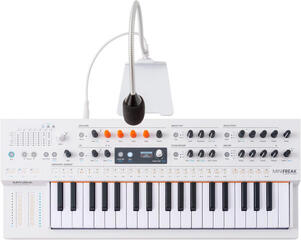
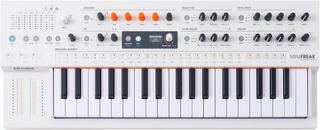
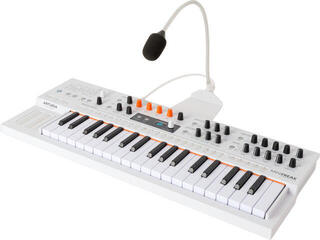
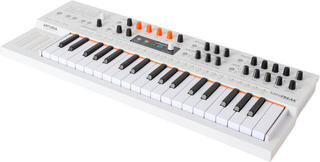
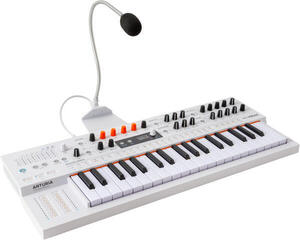
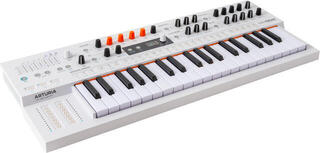
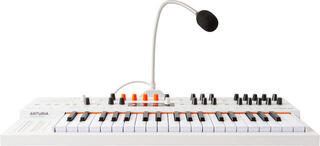
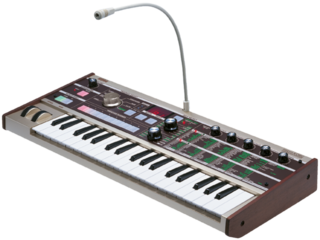
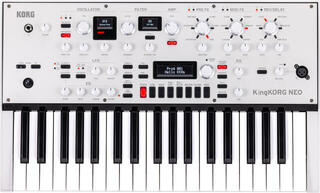
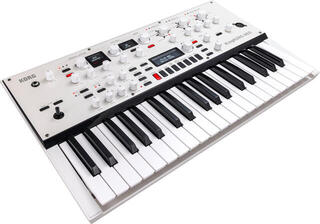
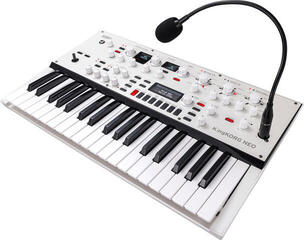
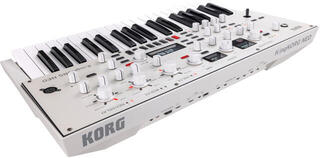
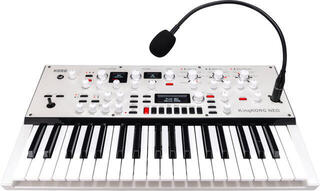
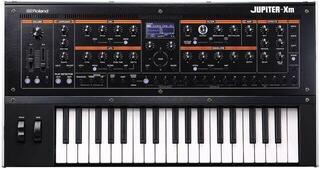
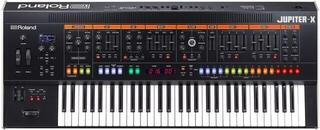
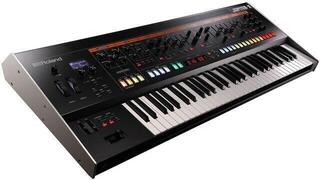
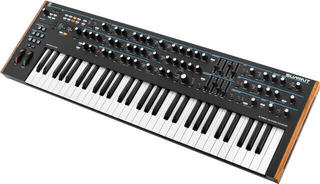
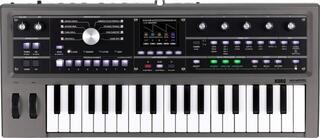
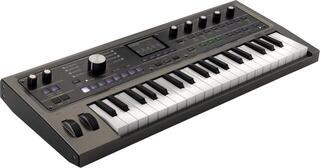
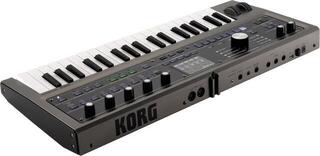
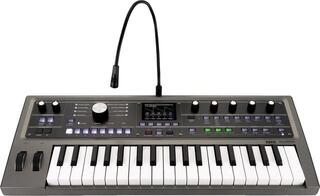
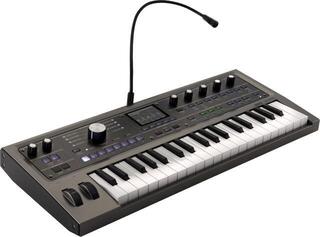
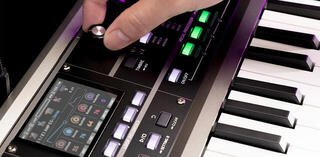
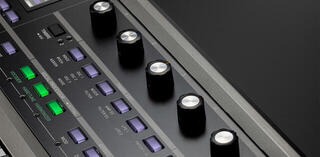
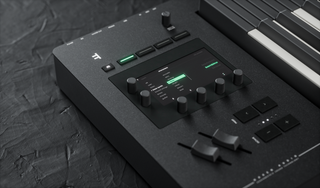
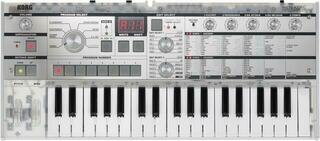
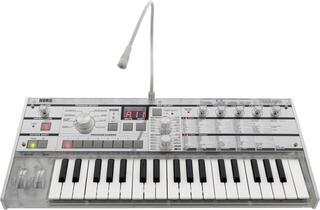
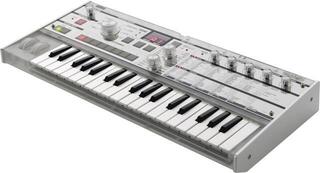
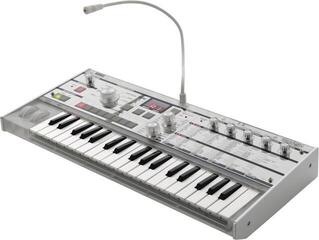
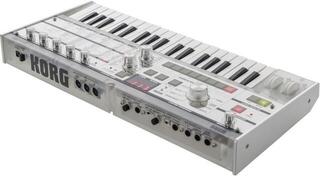
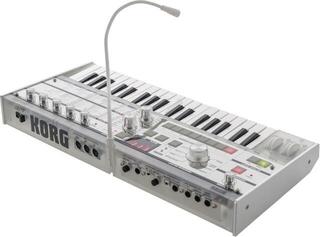
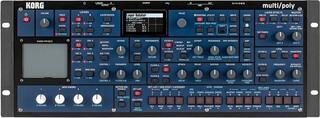
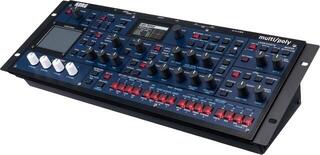
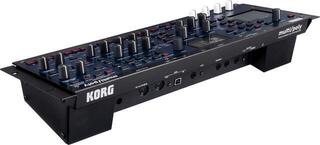
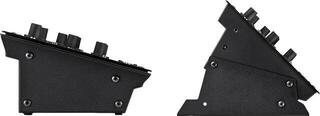
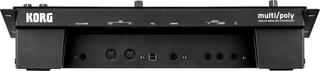
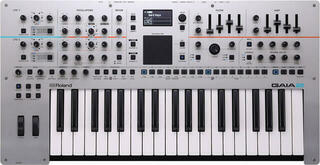
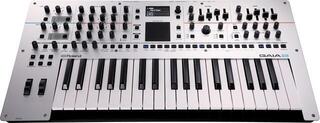
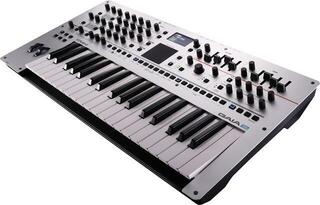
Digital synthesizers generate sound through calculations in a processor rather than analogue circuits, offering colours such as bell-like FM tones, smoothly changing wavetables or entire wave sequences. Here you'll find keyboard instruments ready to play and desktop modules without a keyboard, which you control from a MIDI keyboard or sequencer. Models include Arturia MiniFreak and Microfreak, Korg Wavestate mk II and Multi/Poly, ASM Hydrasynth, Roland Jupiter-X and Yamaha Reface CS. Many have an arpeggiator and built-in effects such as delay, chorus and reverb, so they sound complete even without extra effects boxes.
FM, wavetables or analogue modelling?
A digital synthesizer doesn't mean just one type of sound. The synthesis method running inside it determines the instrument's character, so it's worth choosing one to suit the music you want to make.
- Analogue modelling: the processor recreates the oscillators and filters of older analogue synthesizers. Korg Multi/Poly or Yamaha Reface CS deliver warm basses and pads with controls familiar from analogue synths, and let you play several notes at once.
- FM synthesis: oscillators modulate one another to create bell-like, metallic and glassy colours, or the electric piano sound typical of 80s pop. Korg Volca FM2 follows in the footsteps of Yamaha DX7 and can load its sounds too.
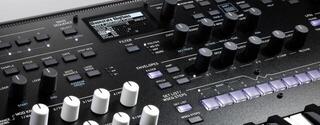
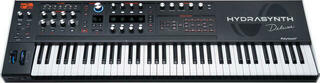
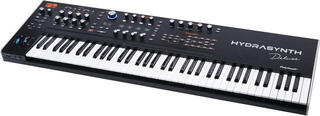
- Wavetables and wave sequences: the sound changes smoothly as it moves between different waveforms, giving pads and sequences a living character that evolves over time. Typical examples are ASM Hydrasynth, Arturia Microfreak and Korg Wavestate mk II with Wave Sequencing 2.0 technology.
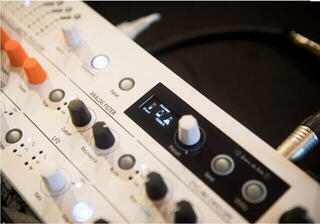
- Hybrid: digital oscillators paired with an analogue filter. Arturia MiniFreak combines the variety of digital sounds with the character of an analogue filter in this way.
A keyboard synthesizer or a desktop module?
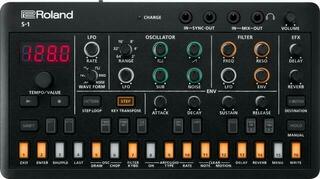
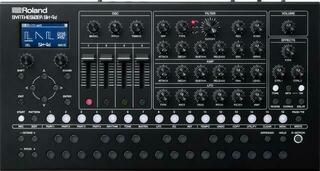
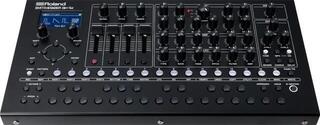
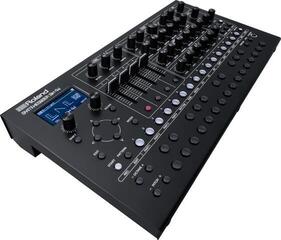
A keyboard synthesizer is a complete instrument: switch it on, plug in headphones and start playing. A desktop module such as ASM Hydrasynth Desktop, Roland SH-4D or Korg Volca FM2 doesn't have a full keyboard, but takes up little space on your desk and works well with a MIDI keyboard you already own or in a setup with a groovebox. Most models on this page have a MIDI input, and some also have CV inputs for connecting to a modular system.
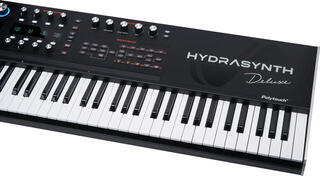
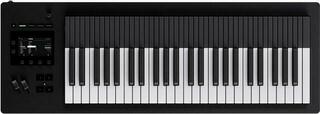
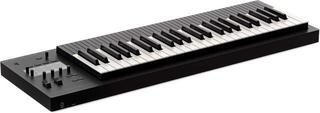
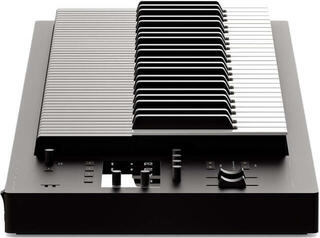
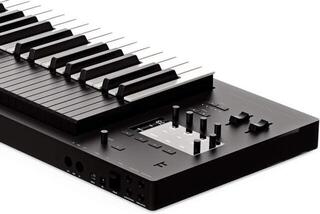
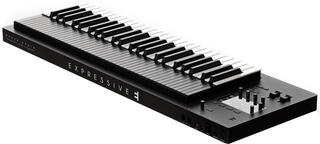
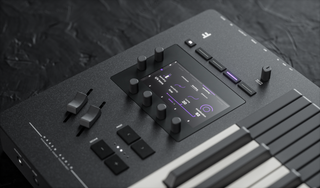
With keyboard models, check whether the keyboard also responds to pressure applied after you've pressed a key, known as aftertouch. Arturia MiniFreak, ASM Hydrasynth Deluxe and Roland Jupiter-X have it, so you can open the filter or add vibrato while holding a note. Expressive E Osmose 61 offers a very different playing experience: you can press its keys deeper and move them sideways, bending the pitch of each note individually.
A digital or an analogue synthesizer?
An analogue synthesizer creates its tone using electrical circuits, giving it a lively, slightly unstable character, but often fewer voices and memory slots. A digital synthesizer generally plays more notes at once, stores plenty of your own sounds and offers several synthesis methods in a single instrument, which is useful both on stage and when recording. If it's the sound of circuitry that appeals to you, take a look at analogue synthesizers; for your first experiments with synthesis, there are synthesizers for beginners, and you'll find all types in the synthesizers category.