Albania
 Argentina
 Australia
 Austria
 Belgium
 Bosnia and Herzegovina
 Brazil
 Bulgaria
 Canada
 Chile
 Colombia
 Croatia
 Czech Republic
 Denmark
 Estonia
 Finland
 France
 Germany
 Greece
 Hungary
 Ireland
 Italy
 Latvia
 Lithuania
 Luxembourg
 Mexico
 Moldova
 Montenegro
 Netherlands
 New Zealand
 North Macedonia
 Norway
 Philippines
 Poland
 Portugal
 Romania
 Serbia
 Slovakia
 Slovenia
 South Africa
 Spain
 Sweden
 Switzerland
 Turkey
 Ukraine
 United Kingdom
 United States of America


Synthesizers and Workstations - all types
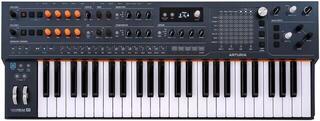
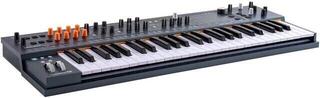
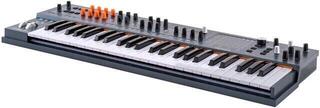
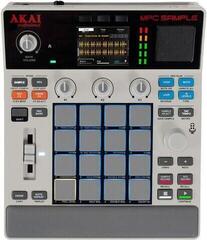
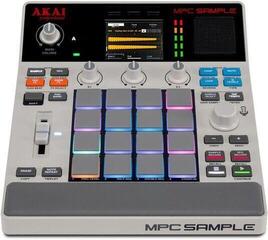
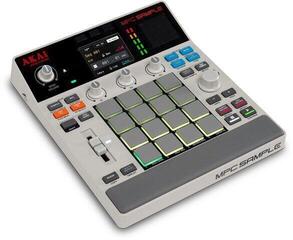
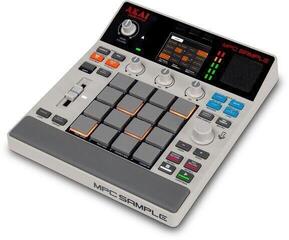
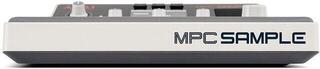
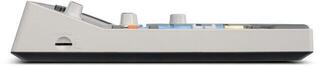
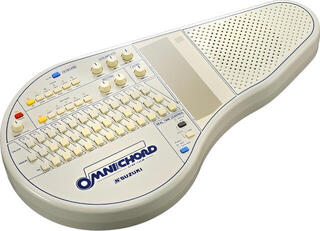
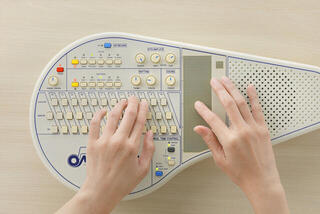
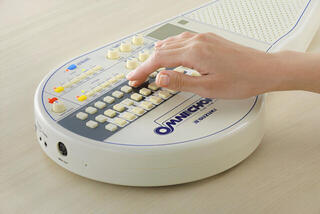
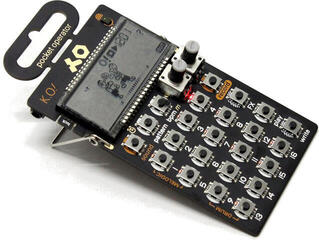
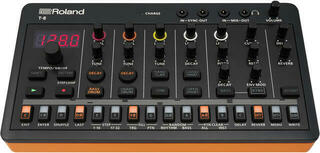
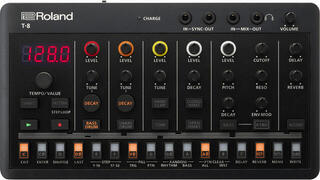
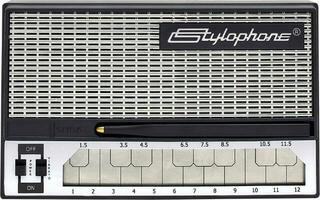
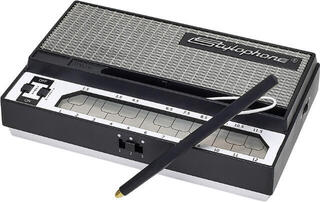
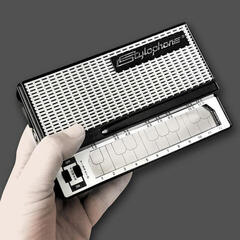
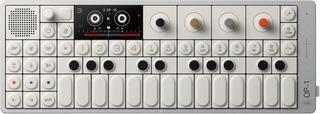
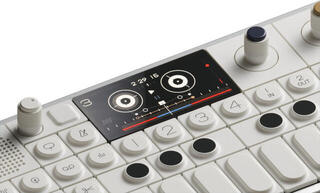
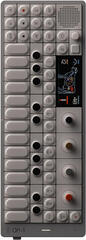
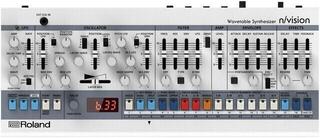
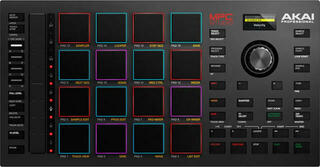
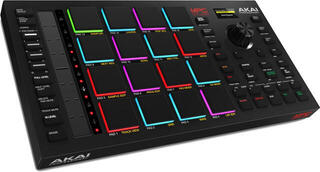
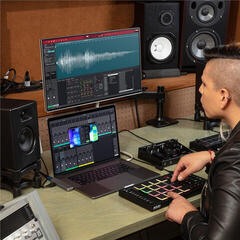
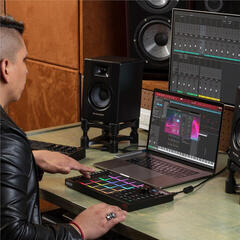
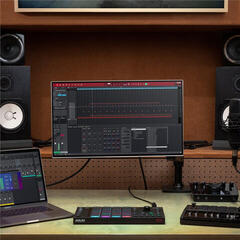
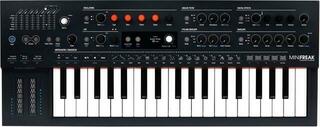
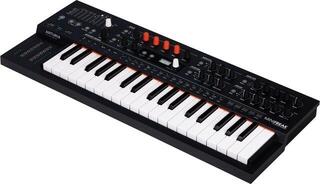
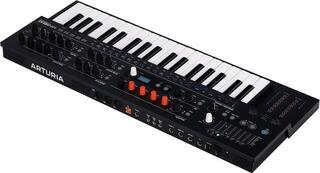
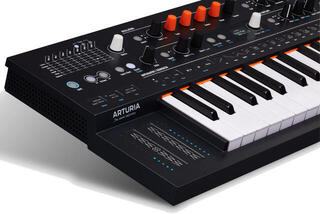
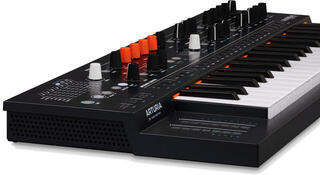
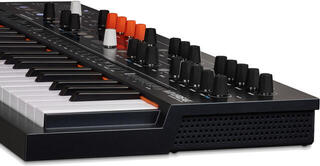
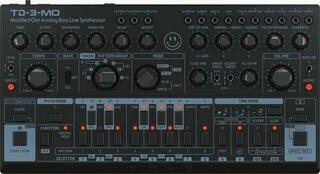
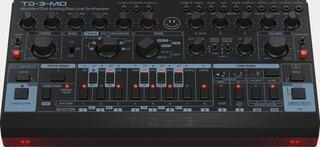
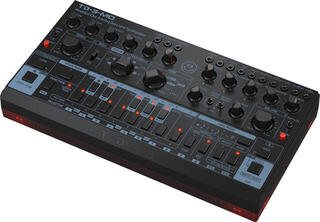
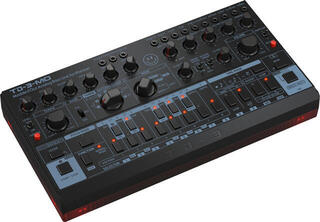
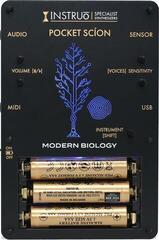
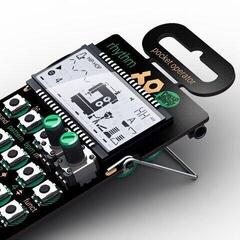
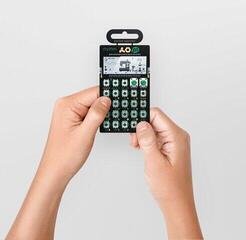
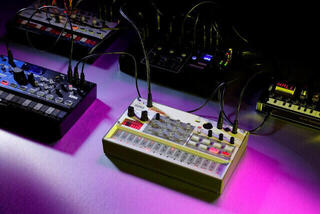
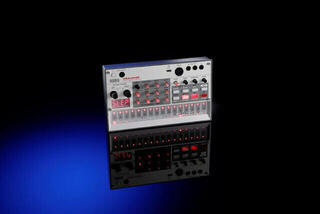
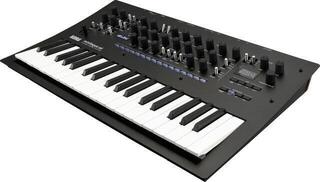
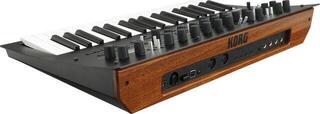
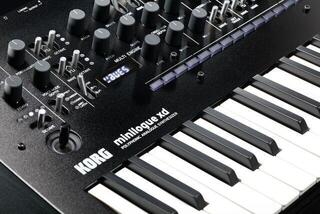
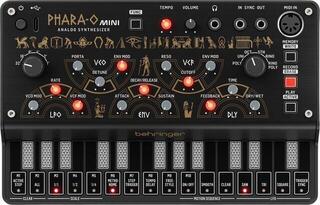
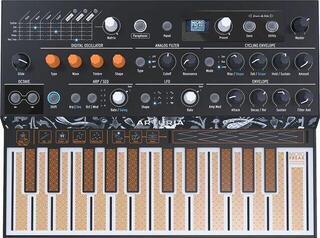
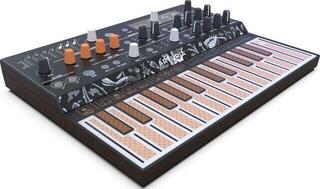
This page brings together all the instruments for electronic sound creation that you'll otherwise find divided into groups on the Synthesizers and Workstations page: keyboard and desktop synthesizers, workstations, samplers, grooveboxes, drum machines, hardware sequencers, pocket synthesizers and Eurorack modules. It's useful when you're still deciding which type of device you need, or want to compare options across different types. Behringer, Korg and Roland have the most models, followed by Arturia, Akai, Yamaha, MOOG and Teenage Engineering. Examples include Arturia MiniFreak, Roland Fantom, the Roland SP-404 MKII sampler and the Akai MPC range.
Synthesizer or workstation?
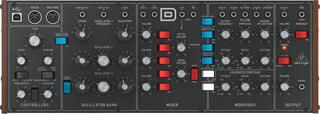
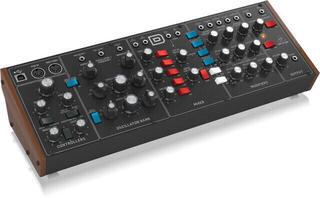
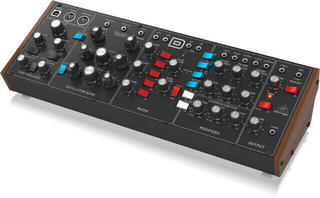
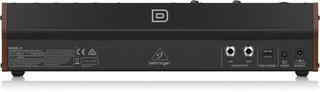
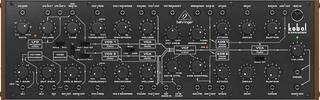
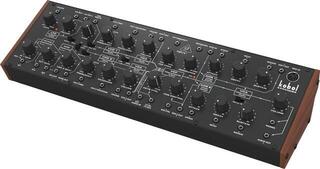
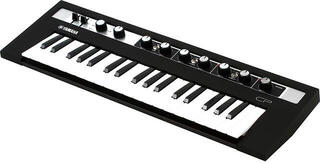
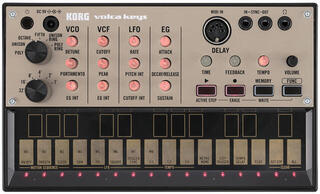
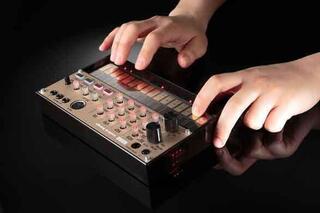
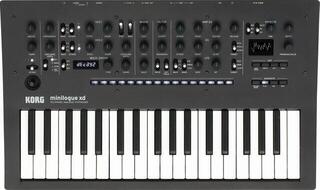
A synthesizer is an instrument on which you build your own sounds from oscillators, filters and envelopes. You can play a keyboard synthesizer, such as Arturia MiniFreak or Behringer Poly D, directly. A desktop synthesizer has no keyboard and you control it from a MIDI keyboard controller or a sequencer, so it takes up less room on your desk. You can find the full range of this type on the Synthesizers page.
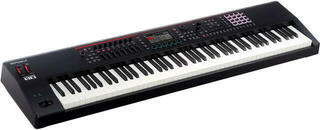
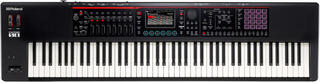
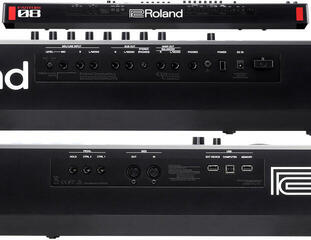
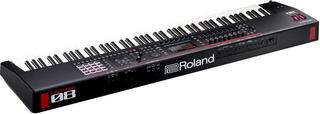
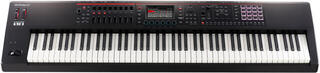
Alongside its sounds, a workstation provides a library of ready-made instrument sounds, a multitrack sequencer and control over a whole song from a single device. Roland Fantom-06 and Fantom-08 can therefore play drums, bass and pads at the same time on stage, while at home you can work on an arrangement without a computer. A workstation isn't an arranger keyboard: it doesn't generate automatic accompaniment based on the chords you play. Models of this type are on the Workstations page.
Sampler, groovebox or drum machine?
Choose between these three devices according to what you want to build your track from. The boundaries aren't clear-cut: Akai MPC and Roland SP-404 MKII both have their own sequencer, and many people use them to build a whole track as they would with a groovebox.
| Type | What it does | Example from the range |
|---|---|---|
| Sampler | records and plays back sound snippets, loops and vocals | Roland SP-404 MKII, Akai MPC Live III |
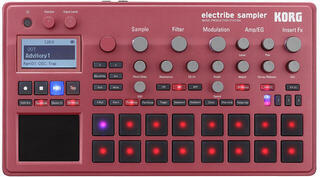
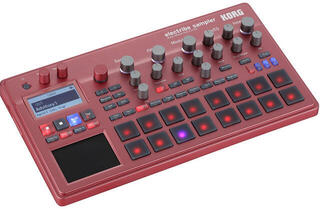
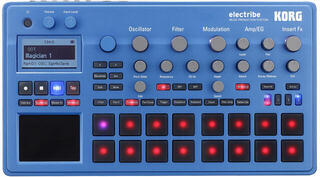
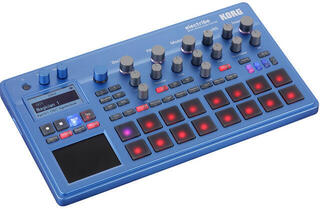
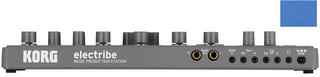
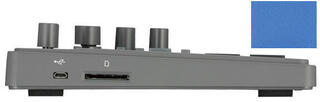
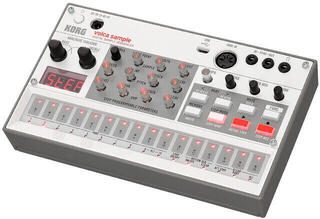
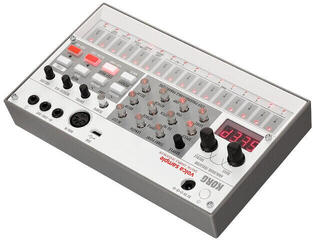
| Groovebox | sounds, rhythm and a sequencer in one box | Korg Electribe |
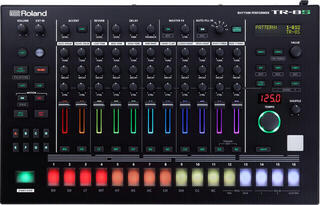
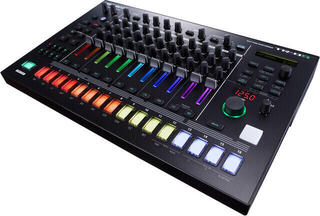
| Drum machine | programming drums and percussion | Roland TR-1000, Behringer RD-9 |
| Hardware sequencer | sends notes and rhythm to connected instruments | controlling a rig with several devices |
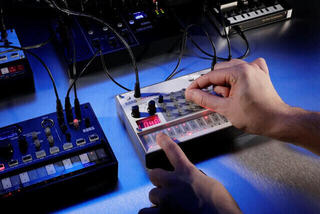
If you want to build a hip-hop beat from old records, reach for a sampler. For techno and house made with ready-made drum sounds, a drum machine is enough. You'll appreciate a groovebox when you want to play a live set without a computer. You can find more focused selections on the Samplers, Grooveboxes and Drum Machines pages.
What do you need for a modular Eurorack system?
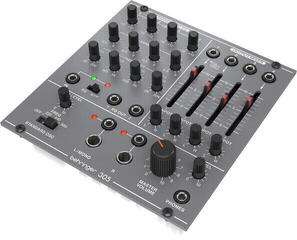
You build a modular system from individual modules, connecting them with cables to suit your own ideas. Eurorack modules, such as those from Erica Synths or the Behringer System 55 range, need a case with a power supply; a module on its own won't play without it. A semi-modular synthesizer is a good starting point because it plays without cables too, and you only change the connections when you want to. You can find modules and complete systems on the Modular Systems page.
How do you connect a synthesizer to your rig?
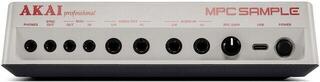
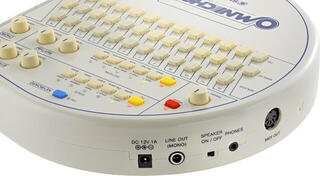
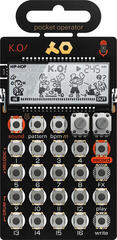
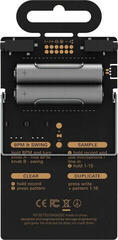
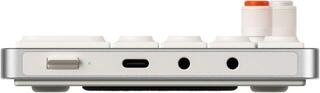
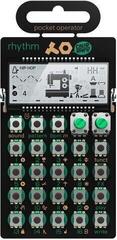
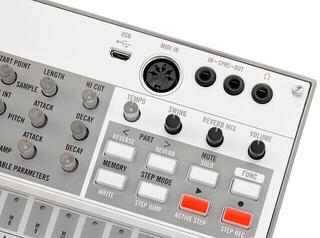
Most devices on this page have MIDI input and output, so one device can control others and they can all run at the same tempo. MIDI only carries instructions; you route the sound separately through 6.3 mm or 3.5 mm jack outputs to a mixer, audio interface or headphones. Some devices also run on batteries or USB-C power, which is useful when you're playing away from home; you'll find the pocket-sized ones on the Pocket Synthesizers page. A power adapter isn't included with every model.