 Albania
 Argentina
 Australia
 Austria
 Belgium
 Bosnia and Herzegovina
 Brazil
 Bulgaria
 Canada
 Chile
 Colombia
 Croatia
 Czech Republic
 Denmark
 Estonia
 Finland
 France
 Germany
 Greece
 Hungary
 Ireland
 Italy
 Latvia
 Lithuania
 Luxembourg
 Mexico
 Moldova
 Montenegro
 Netherlands
 New Zealand
 North Macedonia
 Norway
 Philippines
 Poland
 Portugal
 Romania
 Serbia
 Slovakia
 Slovenia
 South Africa
 Spain
 Sweden
 Switzerland
 Turkey
 Ukraine
 United Kingdom
 United States of America


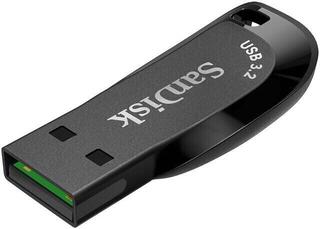
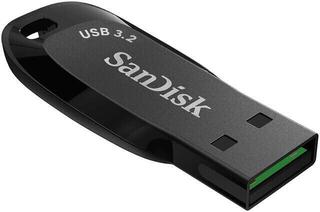
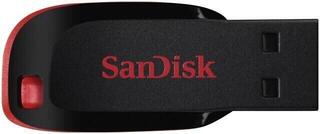
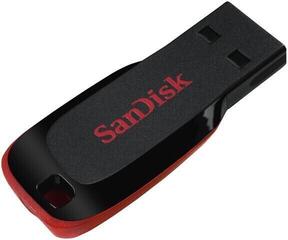
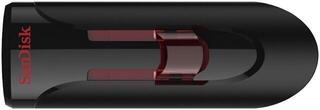
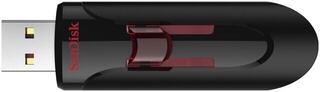
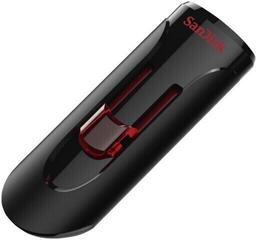
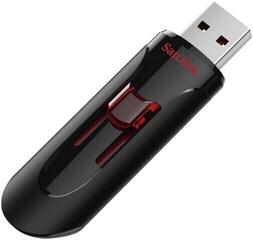
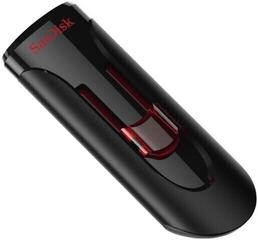
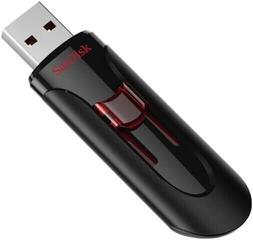
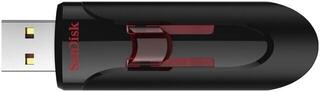
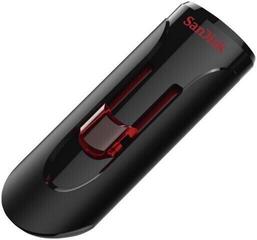
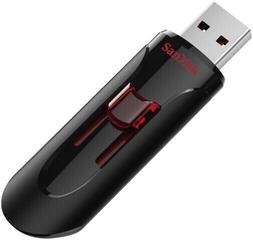
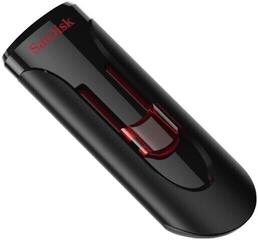
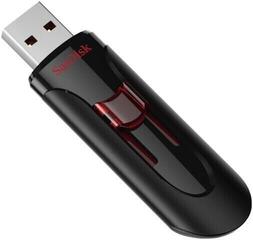
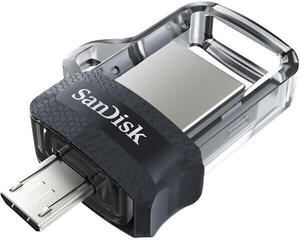
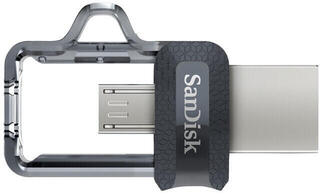
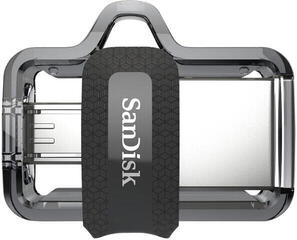
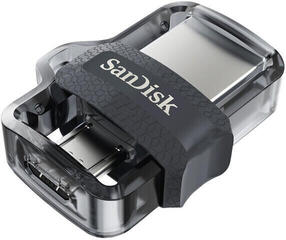
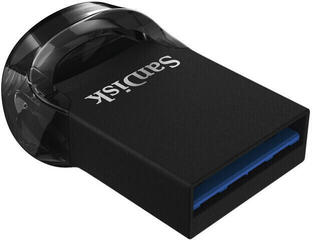
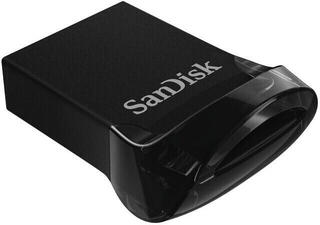
SanDisk USB Flash Drives
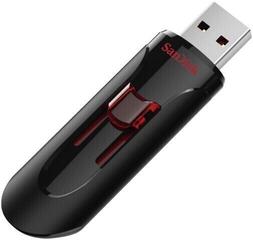
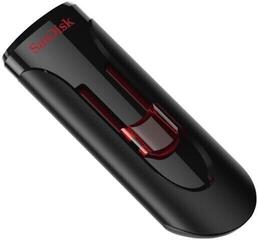
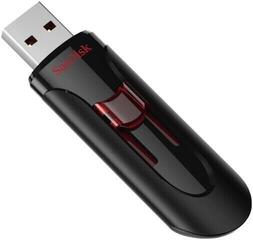
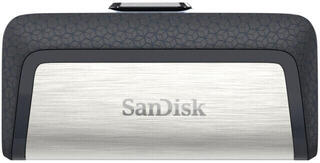
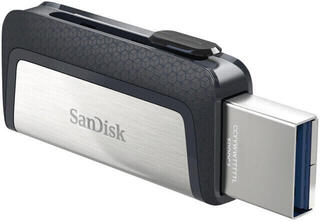
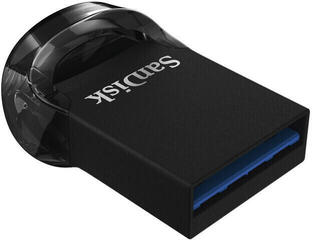
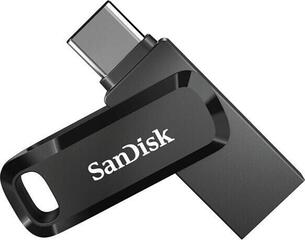
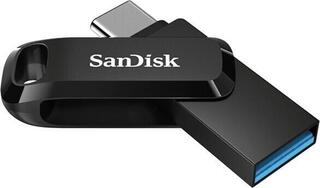
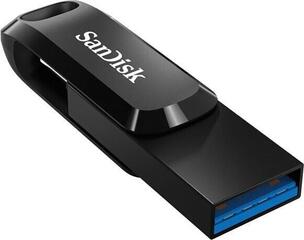
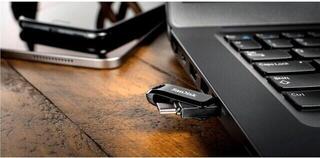
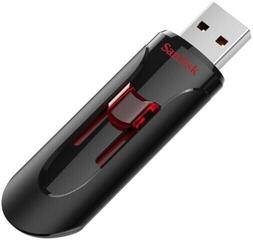
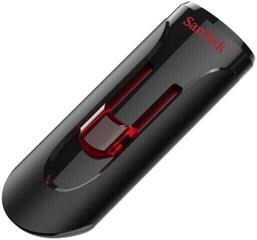
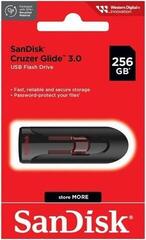
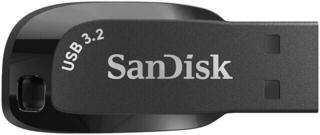
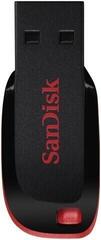
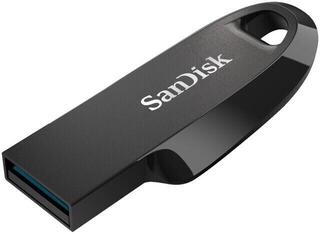
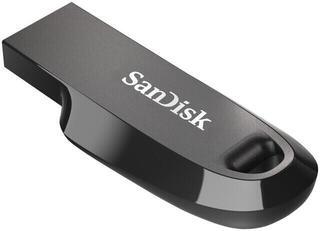
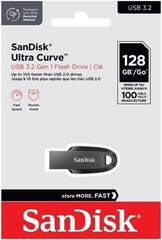
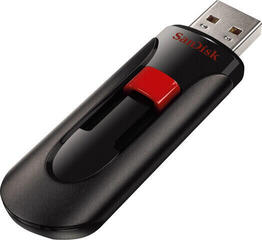
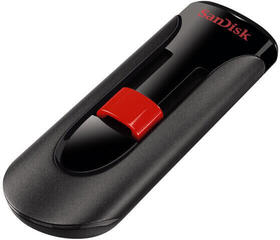
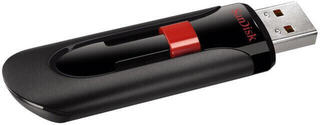
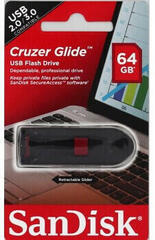
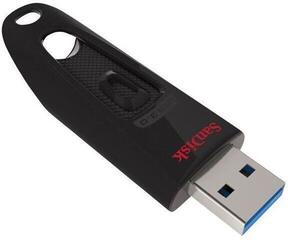
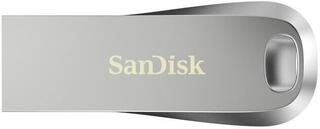
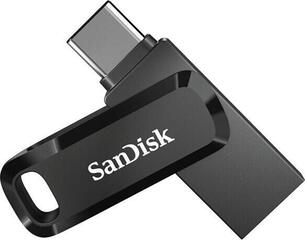
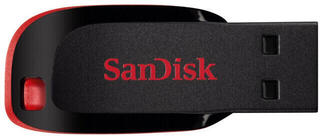
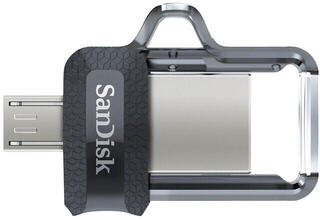
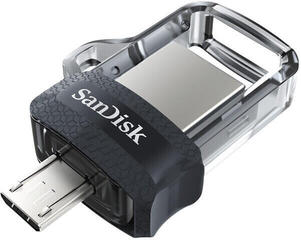
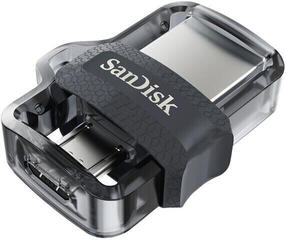
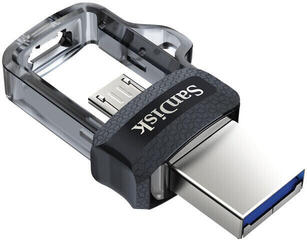
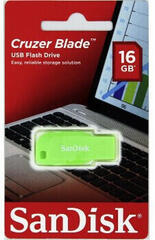
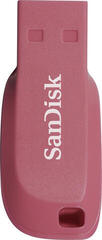
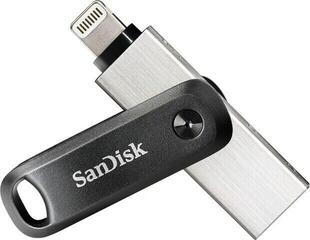
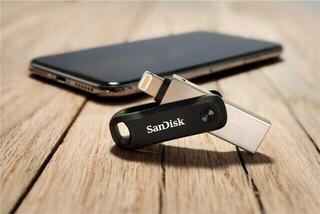
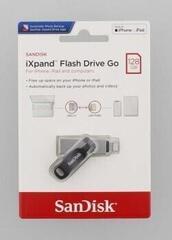
SanDisk USB flash drives are portable flash storage devices with capacities from 16 GB to 1 TB, ready for your recordings, backing tracks, PDF sheet music and project backups. They differ in connector, speed and casing: standard models have USB-A, dual-connector drives offer both USB-A and USB-C for phones and tablets, and the iXpand range has a Lightning connector for iPhone. The Cruzer Blade and Cruzer Glide ranges are sufficient for documents and music, Ultra ranges read at 100 to 150 MB/s and Extreme PRO at up to 420 MB/s.
Which SanDisk USB flash drive suits your computer and which suits your phone?
| Range | Connector and read speed | What makes it different |
|---|---|---|
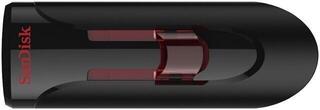
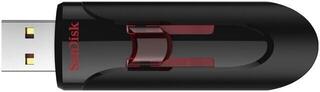
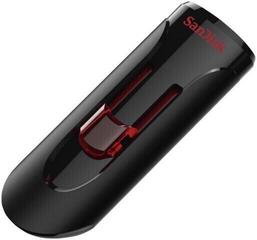
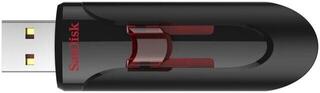
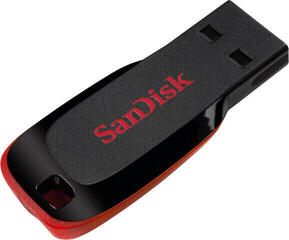
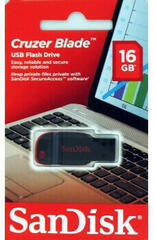
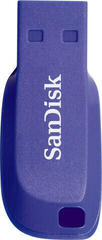
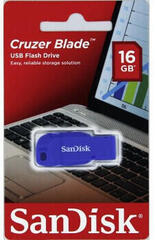
| Cruzer Blade, Cruzer Glide | USB-A, USB 2.0, Cruzer Glide also USB 3.0 | plastic casing, for documents and music |
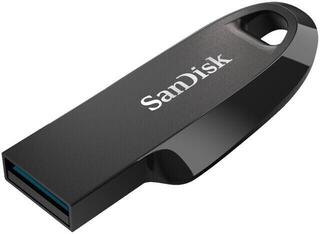
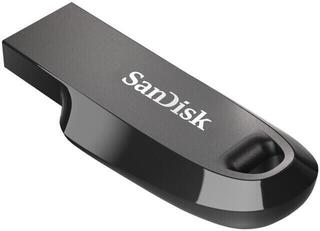
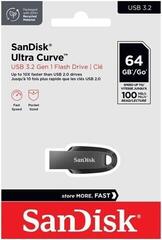
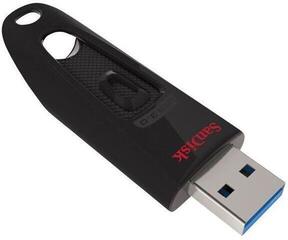
| Ultra, Ultra Curve, Ultra Shift | USB-A, 100 to 130 MB/s | plastic casing, Ultra range up to 1 TB |
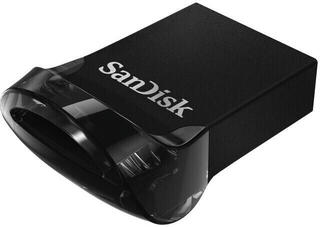
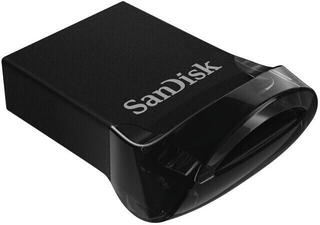
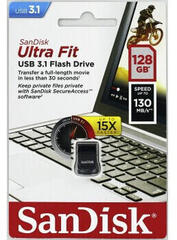
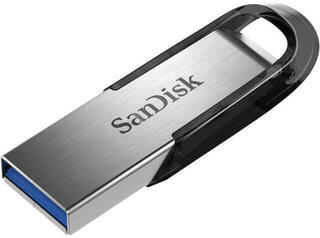
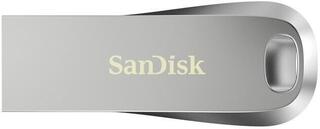
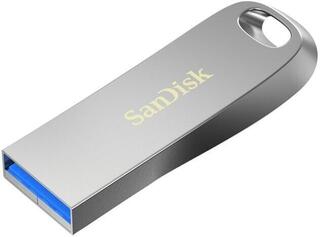
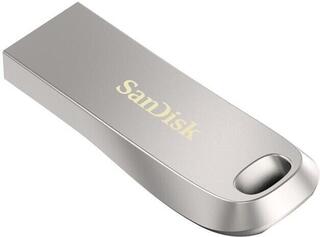
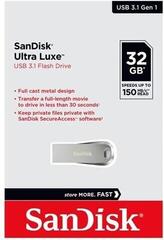
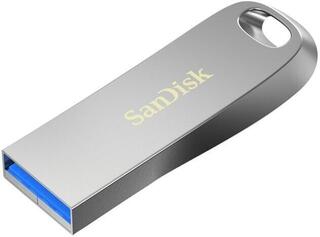
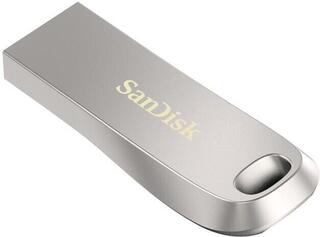
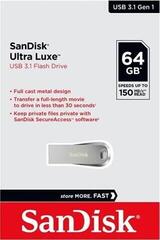
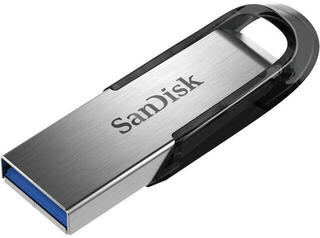
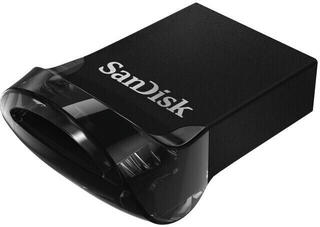
| Ultra Flair, Ultra Luxe, Ultra Fit | USB-A, 130 to 150 MB/s | metal casing, Ultra Fit measures just under 2 cm |
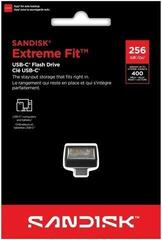
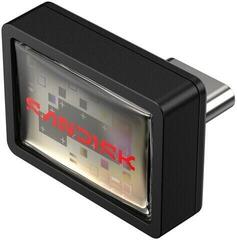
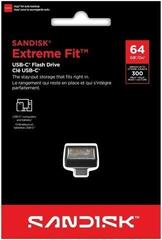
| Extreme PRO, Extreme Fit | USB-A or USB-C, 300 to 420 MB/s | large projects and video |
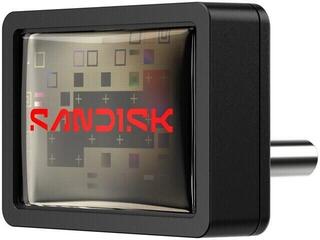
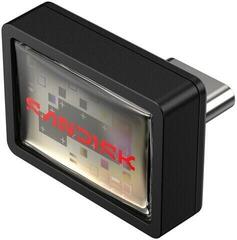
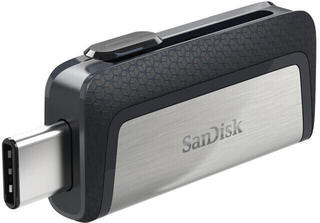
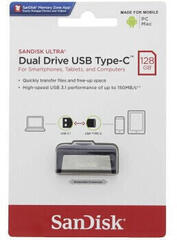
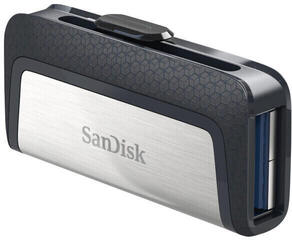
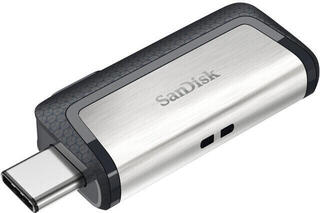
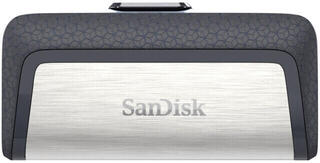
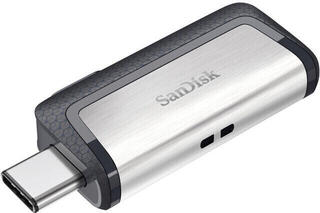
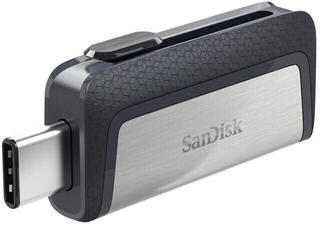
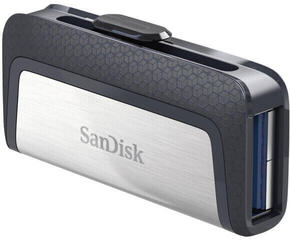
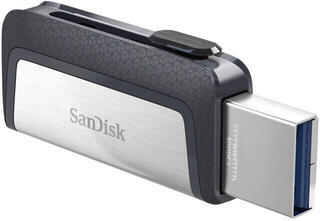
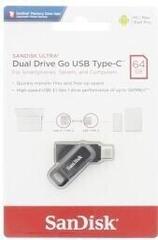
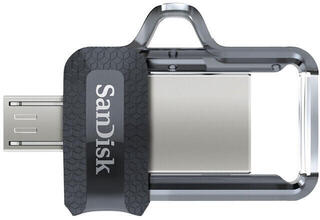
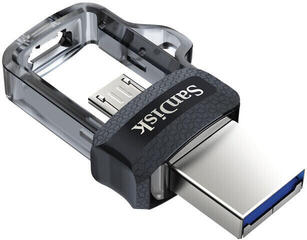
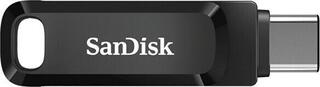
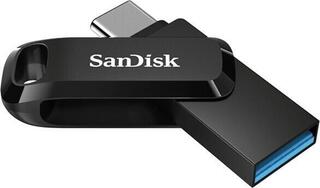
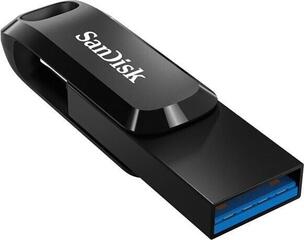
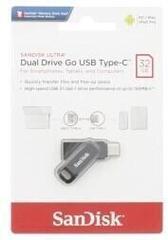
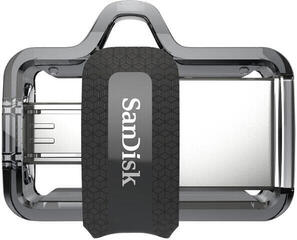
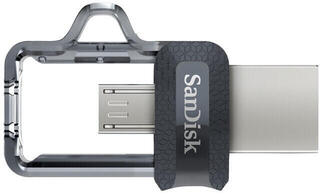
| Ultra Dual, Ultra Dual Drive Luxe, Ultra Dual GO | USB-A and USB-C, 150 MB/s | transfers between computer and phone |
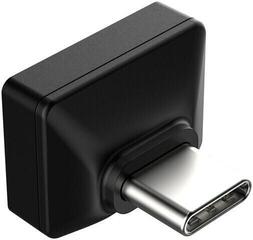
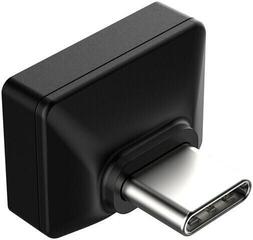
| Phone Drive | USB-C, 150 MB/s | phones and tablets with USB-C |
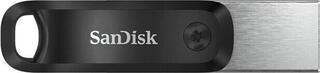
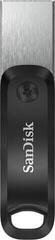
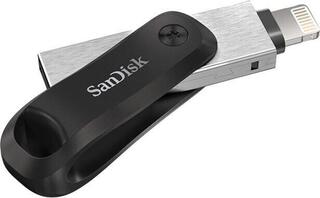
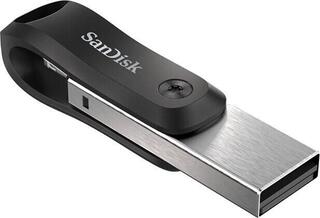
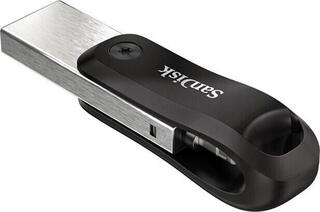
| iXpand Flash Drive Go | Lightning and USB-A, 75 MB/s | iPhone and iPad |
How many gigabytes do you need for recordings?
One minute of uncompressed stereo WAV audio (44.1 kHz, 16 bits) takes up approximately 10 MB, so a 32 GB drive holds around 50 hours of recordings. For backing tracks, sheet music and song backups, 16 to 64 GB is enough. Multitrack projects and video fill the space much faster, so choose 128 GB or more for these. Individual capacities have their own pages, such as SanDisk 64 GB and SanDisk 128 GB.
Why won’t your keyboard or DJ media player read the drive?
Keyboards, digital pianos, DJ media players and mixers with recording functions usually only read drives with the FAT32 file system through their USB port. Drives of 64 GB and above often come formatted in exFAT, so an older device will not recognise them until you reformat them. A fast USB 3.0 drive also works in a USB 2.0 port, just at a lower speed.
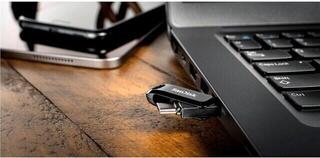
An instrument with a USB-A port needs a drive with a USB-A connector. Dual-connector Ultra Dual models have both USB-A and USB-C, so you can open a keyboard recording directly on your phone. Audio recorders and cameras with a card slot need a different storage medium; you will find those on the SanDisk Memory Cards page.