Albania
 Argentina
 Australia
 Austria
 Belgium
 Bosnia and Herzegovina
 Brazil
 Bulgaria
 Canada
 Chile
 Colombia
 Croatia
 Czech Republic
 Denmark
 Estonia
 Finland
 France
 Germany
 Greece
 Hungary
 Ireland
 Italy
 Latvia
 Lithuania
 Luxembourg
 Mexico
 Moldova
 Montenegro
 Netherlands
 New Zealand
 North Macedonia
 Norway
 Philippines
 Poland
 Portugal
 Romania
 Serbia
 Slovakia
 Slovenia
 South Africa
 Spain
 Sweden
 Switzerland
 Turkey
 Ukraine
 United Kingdom
 United States of America


Hi-Fi Players - all types
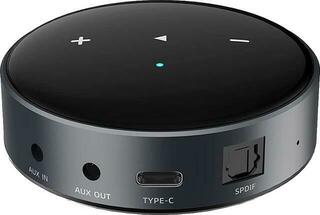
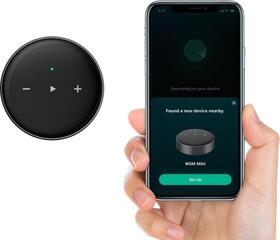
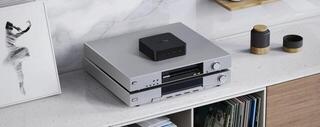
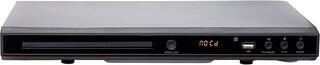
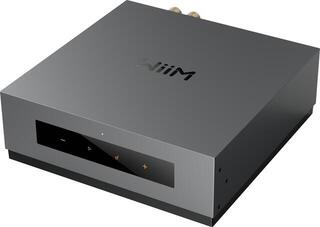
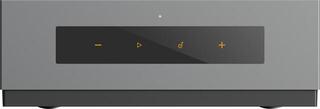
A Hi-Fi player is the music source in your home system: it reads a disc or music from the network and sends it to an amplifier. This page brings three groups of players together so you can compare them side by side: CD players, network players (streamers) and combined units. Brands represented include Wiim, TEAC, Shanling, Pro-Ject, Denon, Primare and Technics. Choose the type according to where you get your music: discs, a streaming service or both.
CD player, streamer or combined unit?
| Type | What it is for | Example brands |
|---|---|---|
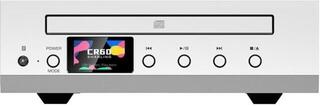
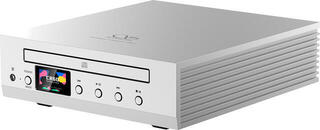
| Hi-Fi CD Players | a CD collection, with SACD playback on some models too | Denon, Shanling, Primare |
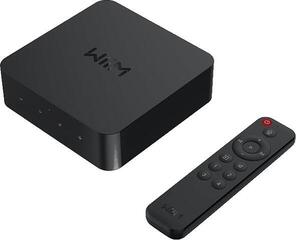
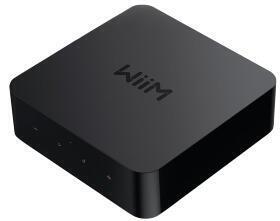
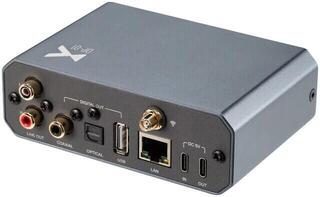
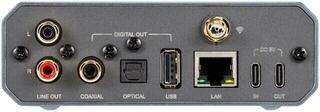
| Hi-Fi Network players | streaming services and music from your home network | Wiim, Pro-Ject, Aune |
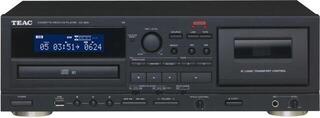
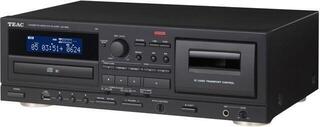
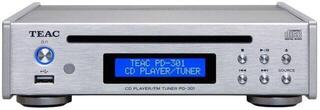
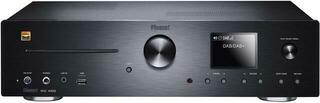
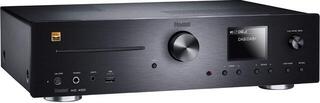
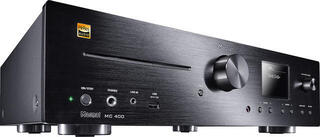
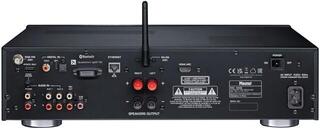
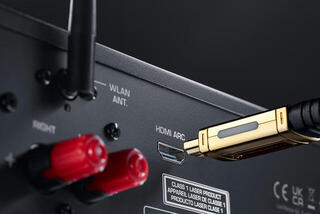
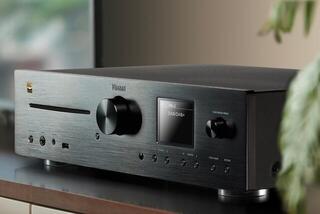
| Hi-Fi Combined players | CD combined with radio, cassette or network playback | TEAC, Technics, Magnat |
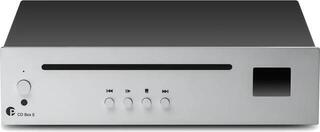
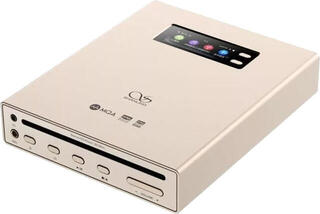
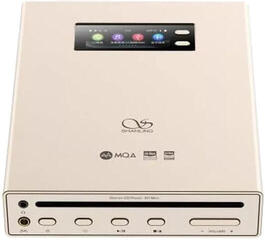
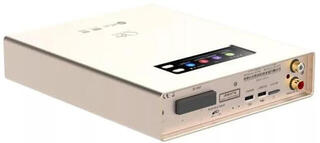
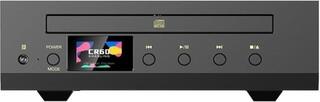
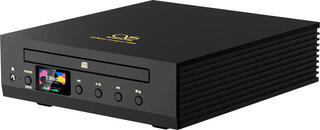
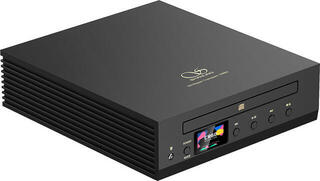
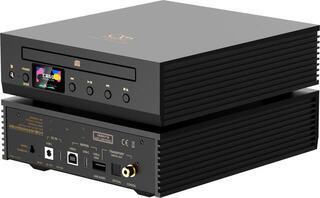
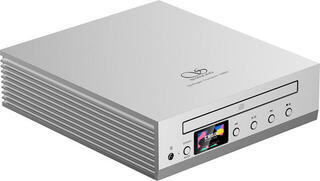
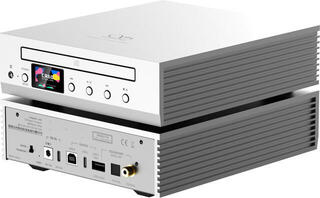
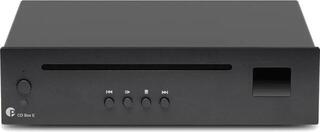
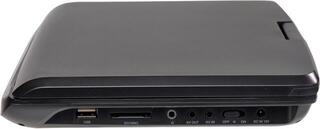
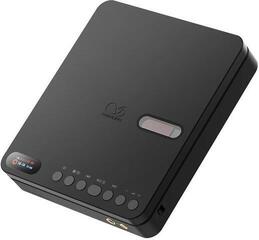
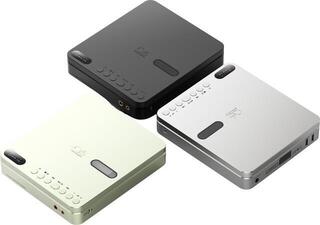
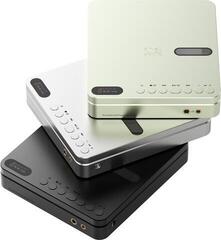
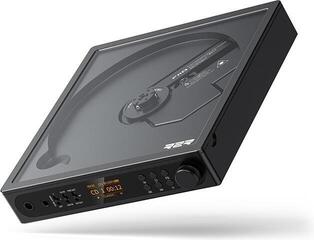
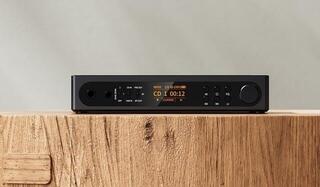
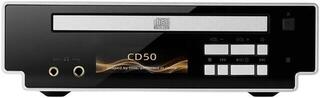
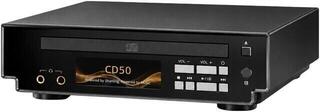
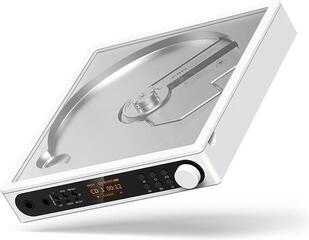
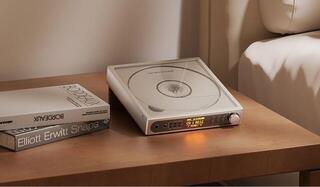
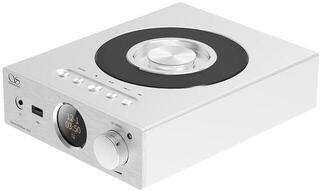
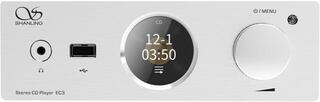
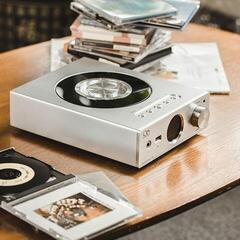
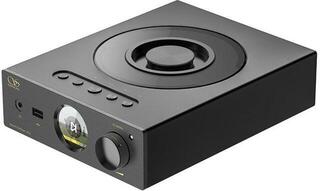
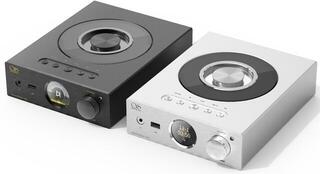
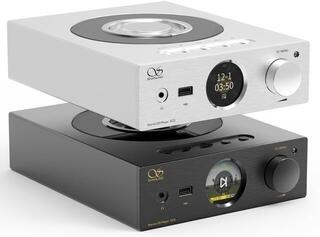
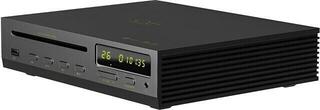
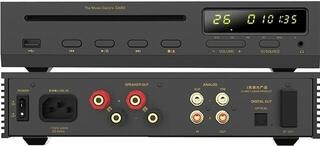
The CD players include stationary units for a hi-fi separates system, as well as Primare DD CD transports that simply read the disc and send the digital signal to a separate DAC. Models such as ONIX XST20 SACD and Shanling SCD1.3R play SACDs. The small FiiO DM15 R2R and Shanling EC Mini CD players take a completely different approach: they have a headphone output and fit on a desk or in a bag.
How do you connect a player to your system?
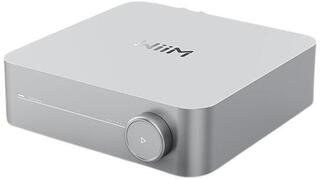
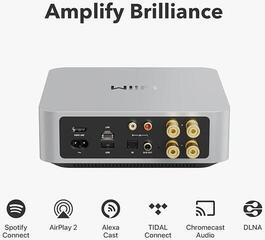
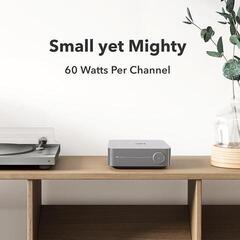
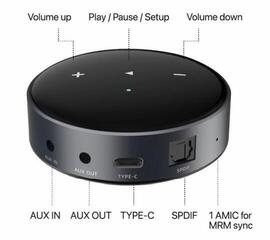
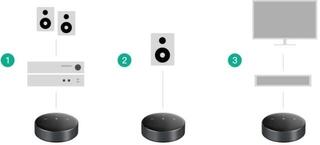
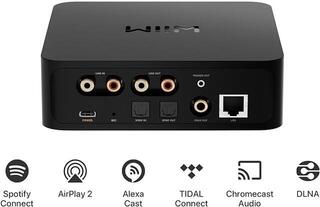
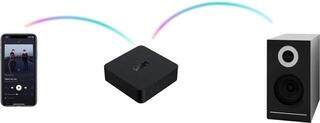
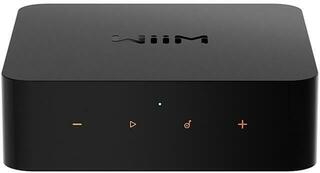
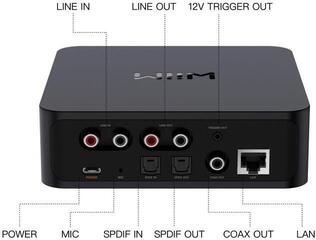
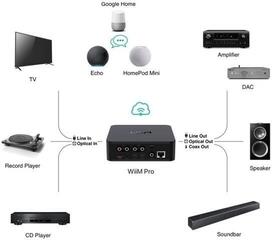
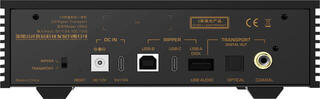
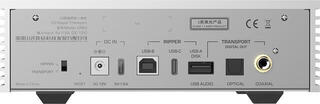
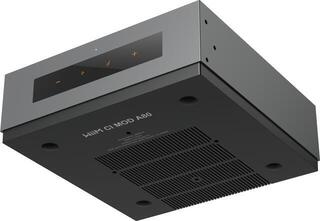
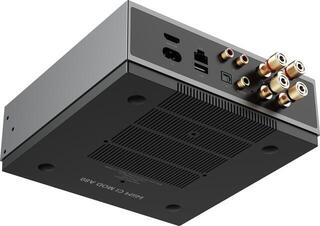
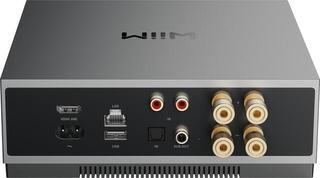
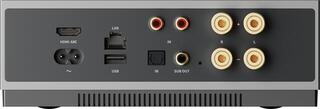
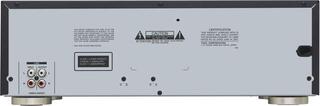
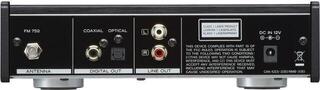
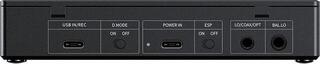
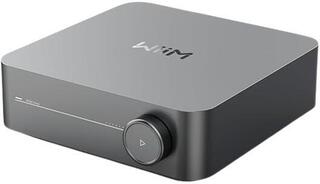
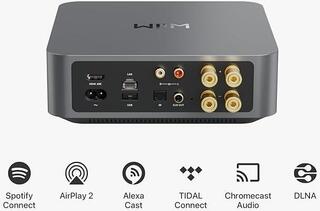
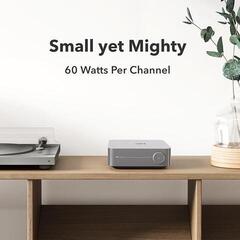
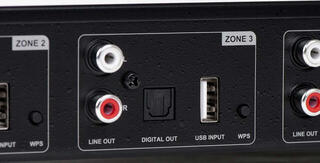
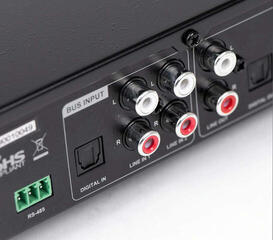
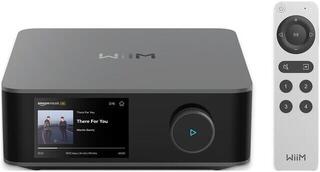
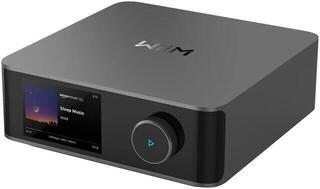
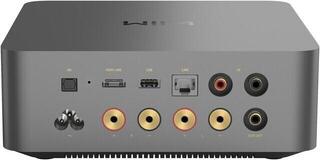
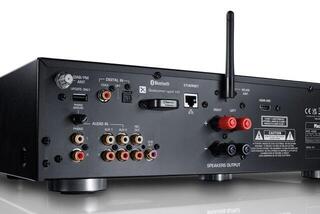
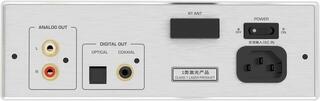
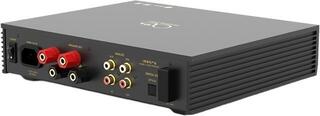
Connect the analogue RCA output, or the balanced XLR output on some models, to a line input on your amplifier. A digital optical (Toslink) or coaxial output connects to a DAC or an amplifier with a digital input. The Trigger output switches on other components in the system together with the player. A player alone cannot drive passive speakers; it needs an amplifier. Streamers with an amplifier, such as Wiim AMP, are the exception: you can connect passive speakers to them directly.
Which services and formats can a network player handle?
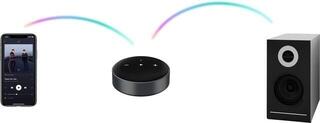
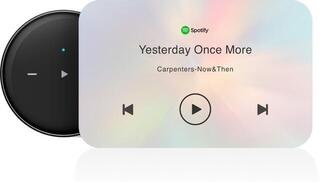
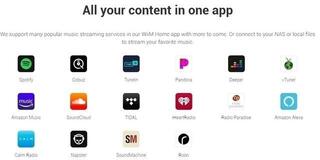
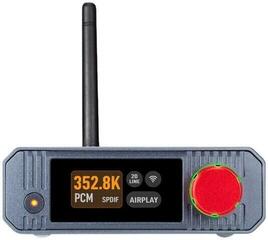
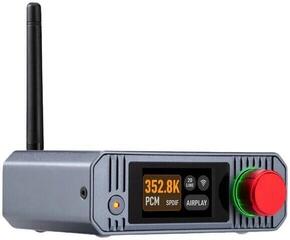
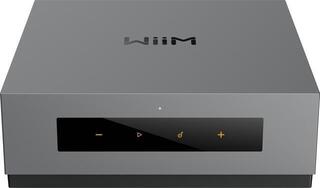
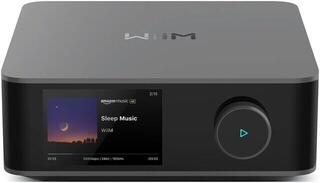
Depending on the model, the network players in the range support Spotify, Tidal, Qobuz, Amazon Music or TuneIn, AirPlay 2 and DLNA for music stored on your home network. They play FLAC, ALAC, WAV and AIFF files without loss of quality, while MP3 and AAC are lossy formats. A lossless file does not necessarily mean a high-resolution (Hi-Res) recording: that depends on the recording's sample rate and bit depth. If the Wi-Fi signal in your living room is weak, choose a player with an Ethernet socket and connect it to the network by cable.